
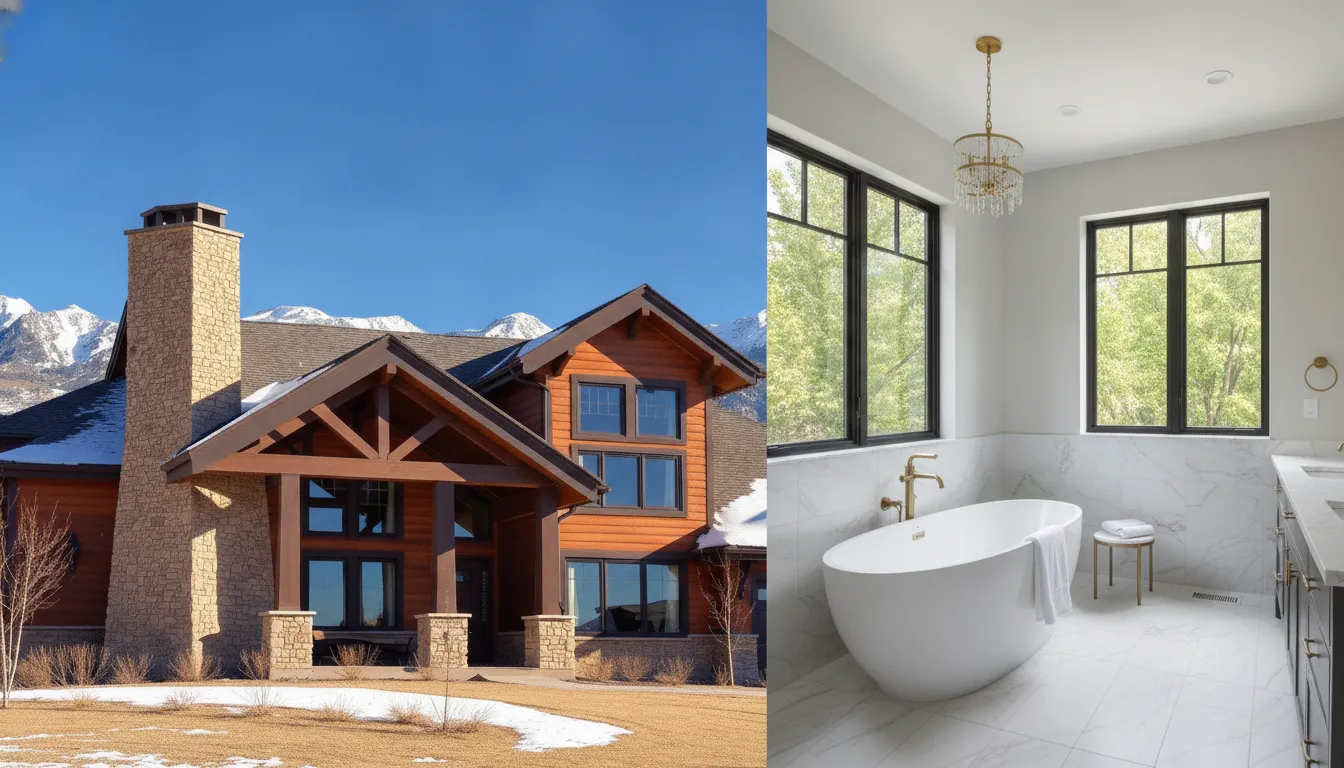
The finished photos may catch your eye, but the details behind a remodeling project matter just as much. Who will manage the work? What materials are included? How will changes, delays, or hidden repairs be handled? These questions can help you tell whether home remodeling contractors are a good match for your plans. Whether you’re updating a bathroom, finishing a basement, adding space, or planning an outdoor living area, compare contractors on more than the initial estimate. This guide offers practical ways to review qualifications, assess craftsmanship, understand bids, and set clear expectations before construction begins.
Key Takeaways
- Define your project clearly: List the work, material preferences, and priorities, then give each contractor the same information to support a fair comparison.
- Check each contractor’s qualifications and fit: Verify Utah licensing and insurance, review similar projects, contact references, and ask who will manage construction.
- Compare detailed written estimates: Review scope, materials, exclusions, schedule, payment terms, and change procedures before choosing a contractor.
What Services Do Remodeling Contractors Offer?
Remodeling contractors may take on a single-room update, a whole-home renovation, an addition, or an outdoor project. The services they provide, and what they include in their estimates, can vary. Before you compare contractors, outline the work you want done and ask who will handle planning, permits, material ordering, and construction. Clear expectations make it easier to compare proposals and spot gaps in scope.
Kitchen and bath remodels, from finish updates to layout changes
A kitchen or bathroom remodel might involve replacing cabinets, counters, fixtures, flooring, and finishes. A more extensive project could change the room’s layout, move plumbing or electrical lines, or alter walls. These changes can affect the project’s cost, schedule, and requirements, so ask how the contractor will assess your home before recommending a plan.
An experienced remodeler can help balance your ideas with the home’s existing structure and systems. CB Wilson Construction emphasizes evaluating the home and developing solutions that support the homeowner’s vision. Ask which design services are included, when you’ll need to choose finishes, and how changes to your selections affect the estimate.
Additions, whole-home renovations, basements, decks, and outdoor living
Some contractors focus on kitchens or bathrooms, while others take on additions, whole-home renovations, basement finishes, decks, and outdoor living spaces. These larger projects may involve several trades and require careful coordination. Ask whether the contractor has completed similar work, and discuss site access, the project’s connection to your existing home, and any effects on household routines.
A portfolio can help you assess whether a contractor’s experience matches your plans. Look for projects with a similar scale, layout, or level of customization, then ask about the decisions and challenges behind the finished work. Red Rooster Construction’s gallery features examples of its craftsmanship and project range. You can use examples like these to start a practical conversation about materials, finishes, and construction details.
Confirm what design, permits, material sourcing, and project management include
Don’t assume a contractor’s estimate includes design support, permit applications, material ordering, or daily project management. Ask who prepares plans, communicates with local building departments, schedules inspections, and keeps you informed. Confirm your main point of contact, how often you’ll receive updates, and how the contractor documents decisions and changes.
Requirements vary by project and location, so ask what permits apply and who is responsible for obtaining them. You can also check with your local building department. Strobel Design Build’s contractor-selection guide recommends checking that a contractor carries the licenses and insurance required for the area. Get responsibilities in writing so you know what the contractor will manage and what you’ll need to handle.
Match each contractor’s specialties to your scope and customization needs
A contractor’s general remodeling experience may not be enough for your specific project. A bathroom refresh, a structural addition, and a custom deck call for different skills and planning. Ask about comparable projects, who will lead the work, and how the team handles custom details or unexpected conditions. Reliable Building also recommends assessing a contractor’s credentials and experience before hiring.
Consider how closely you want the builder involved in material selection and construction. Red Rooster Construction takes a hands-on approach, with its own lumber mill and direct material sourcing. That may suit homeowners who value close control over materials and craftsmanship. Compare each contractor’s process with your priorities, and ask how their experience and approach will support the scope you have in mind.
How Do You Find Reputable Home Remodeling Contractors in Utah?
Finding a reputable remodeling contractor starts with a clear picture of your project and a practical search. Look for contractors who serve your community and have completed work similar in type and scale to yours. A company that often remodels kitchens may not be the right match for a major addition, basement renovation, or custom outdoor space, so check its experience before scheduling a consultation.
Use more than one source to build your list. Ask people you trust for recommendations, then review contractors’ websites, project photos, and customer feedback. Note which types of projects each company takes on, where it works, and how it explains its process. Referrals can point you toward promising candidates, while online research helps you check whether their experience and reputation fit your needs. Strobel Design Build recommends combining personal referrals with online research.
Once you have several candidates, confirm that they serve your area and can handle your project. Ask about similar jobs, who will manage the work, and what the next steps are for an estimate. Speaking with a few contractors gives you a useful basis for comparing their communication, project knowledge, and approach. Keep notes as you go, so you can weigh each option against your priorities rather than relying on first impressions.
Search in Salt Lake, Davis, Summit, Tooele, Weber, Wasatch, Morgan, and Grand counties
Start with contractors who work in the county where your home is located. Search by county and community, using terms that describe your project, such as “home addition” or “basement remodel.” Contractors’ service areas can differ, so confirm directly that yours is included before arranging a visit.
A contractor’s location can make the search more focused, but it should not be your only selection criteria. Ask about experience with your kind of home and renovation, and check references, reviews, and licensing as you narrow the list. Choosing a remodeling company is an important decision, so take time to compare candidates rather than settling on the first search result. CB Wilson Construction outlines qualities to look for in a reliable remodeling company.
Ask neighbors, friends, and local professionals for recommendations
Ask neighbors, friends, coworkers, or family members who have recently remodeled whether they would recommend their contractor. Try to learn about the experience beyond the finished photos: Did the team communicate clearly, respect the home, and explain delays or changes? If possible, ask to see the completed work in person.
Local professionals, such as architects, designers, and real estate agents, may also be able to suggest contractors they have worked with. Ask what kind of project the contractor completed and whether the experience is relevant to your plans. Treat each recommendation as a starting point, not a substitute for checking credentials and references. Pairing referrals with your own research can help you identify candidates while keeping reliability in focus, as Strobel Design Build advises.
Review contractor websites, portfolios, and feedback across platforms
Visit each contractor’s website to see what services it offers, where it works, and how it describes its building process. Look through project photos for work similar to yours. Consider the consistency of the finishes, the range of projects shown, and whether the portfolio demonstrates complete spaces. Red Rooster Construction’s project gallery is one example of a portfolio you can review for craftsmanship and project range.
Read customer feedback on multiple platforms, paying attention to repeated comments about communication, workmanship, reliability, and how concerns were handled. Detailed reviews may offer more context than ratings alone, but online feedback is only one part of your research. Ask contractors for references from homeowners with projects like yours, then speak with those clients directly. Reviewing portfolios alongside customer experiences can help you form a more complete picture, a step also encouraged by the Springfield Area Chamber of Commerce.
Confirm the contractor serves your area and handles your project type and scale
Before requesting an estimate, confirm that the contractor works in your community and takes on projects of a similar size. A company experienced with finish updates may not have the same background in a whole-home renovation, major addition, or custom deck. Share the general scope of your project and ask for examples of comparable work.
Clarify what the contractor handles, including design coordination, permits, material sourcing, and project management. If your plans involve custom details or changes to the home’s layout, ask how the team approaches planning and construction. You can also ask who will lead the work and coordinate subcontractors. Comparing contractors based on their experience with custom remodeling can help you find a better project fit, as Reliable Building explains.
Shortlist several contractors for consultations
After reviewing service areas, experience, portfolios, and feedback, select a few contractors to contact. Meeting with multiple candidates lets you compare how they listen, explain their process, and respond to your questions. Give each one the same basic project details so you can make a more useful comparison.
During consultations, ask who will be your main contact, how the team will share updates, and what happens before a detailed estimate is prepared. Ask how the contractor plans to manage household access, scheduling, and disruption to your routine. Take notes after each conversation, including anything you want clarified. Careful research and due diligence can help you assess your options, as Strobel Design Build recommends.
Assess Experience, Credentials, and Project Fit
General construction experience is a useful starting point, but you’ll want a contractor who has handled projects similar to yours. A kitchen remodel, basement finish, room addition, and deck each bring different design, structural, and scheduling considerations. Ask about work with homes of a similar age or style, how the contractor assesses existing conditions, and how the team adapts plans when it uncovers an issue. Experience with comparable projects can help a contractor develop solutions that support both your goals and your home’s structure, as remodeling professionals explain.
Project fit also depends on how you want construction to run. Some homeowners want to make frequent decisions and review progress closely; others prefer the contractor to handle more day-to-day coordination. Discuss who will lead the work, how updates will be shared, how materials are chosen, and what to expect while your household is affected by construction. Clear expectations around communication and scheduling can help reduce misunderstandings, a point emphasized in this guide to choosing a remodeling contractor. Use the questions below to compare each company’s experience and approach with your priorities.
Look for experience with similar projects, methods, and home styles
Ask contractors about projects that match your scope, not just how long they’ve been in business. If you’re planning to remove a wall, add a room, or renovate an older home, ask how they evaluate existing conditions and address structural requirements. For a deck or outdoor living space, discuss experience with the materials, design, and site conditions involved.
Ask how the contractor handles design changes, unexpected discoveries, and decisions that come up during construction. A qualified remodeler should be able to describe the process and explain how the team keeps the project aligned with your goals. Experience with different home conditions can help a contractor develop plans that work with the existing structure. Request specific examples and ask what the contractor learned from each project.
Review portfolios for craftsmanship, finish quality, and range
A portfolio offers an initial look at a contractor’s work. Check details such as tile alignment, cabinetry, trim, transitions between materials, and the overall finish. Look beyond dramatic before-and-after photos: close-ups and images of completed spaces can offer a better sense of workmanship.
See whether the portfolio includes projects similar to yours and a range of styles, sizes, or services. Ask what work the contractor performed and whether the photos show finished projects. You can browse Red Rooster Construction’s gallery for examples of its craftsmanship and project range. As you review, note the finishes and features you like, then bring those examples to your consultation. This gives you a practical way to discuss your preferences and whether they fit the contractor’s experience.
Ask who leads your project and coordinates subcontractors
Find out who will serve as your main contact once construction begins. Ask whether that person will be on site regularly, how often you’ll receive updates, and whom to contact with a question. Clarify who schedules and coordinates subcontractors, including electricians, plumbers, and finish specialists.
Ask how the team shares progress updates, upcoming decisions, and schedule changes. A clear communication plan helps you know what to expect and where to direct questions. Reliable contractors make themselves accessible and provide regular updates, as this contractor guide recommends. Before choosing, compare the answers you receive. Consider whether the project lead’s availability and management style match the level of communication you want throughout the work.
Discuss communication, scheduling, household access, and site disruption
A remodel can affect your routines, so discuss logistics before work starts. Ask when crews typically arrive and leave, how they’ll access your home, and which areas will be off limits. If the project involves a kitchen or bathroom, ask how long the space may be unavailable and whether the work can be planned in stages.
Talk about protection for floors and furnishings, dust control, debris removal, and site security at the end of each day. Ask how the contractor will share schedule updates and what happens if an issue affects the timeline. These details help you prepare your household and set expectations for the work. A clear communication plan can also make it easier to address questions before they become larger concerns.
Ask how the contractor selects, sources, inspects, and manages materials
Materials affect the look, durability, upkeep, and cost of your remodel. Ask how the contractor helps you compare options and explains differences in quality, maintenance, and suitability for your space. Find out who places orders, checks deliveries, and handles items that arrive damaged or incorrect, since these steps can affect both the schedule and finished work.
Clarify which products are included in the estimate and which selections are still open. If the estimate includes allowances, ask what they cover and whether the amount reflects the finish level you expect. A knowledgeable contractor can explain how a product suits your project, rather than focusing only on price. Guidance from an experienced remodeling company can help you consider style, durability, maintenance, and compatibility before you choose.
Decide whether hands-on construction and direct material control fit your priorities
Contractors differ in how they oversee construction and manage materials. Ask which work is completed by the contractor’s own team, which tasks go to subcontractors, and who checks quality at each stage. If you want regular access to the person making day-to-day decisions, explain that during your consultation.
You can also ask how materials are sourced and checked, and who monitors orders and delivery. Red Rooster Construction operates its own lumber mill and sources materials directly, giving the company control over those parts of the building process. Consider whether that hands-on approach fits your priorities for oversight, craftsmanship, and cost management. Whatever a contractor’s model, ask for a clear explanation of who is responsible for each part of your project and how the team will keep you informed.
Browse Red Rooster Construction’s gallery to assess craftsmanship and project range
When comparing contractors, look for completed work that resembles your plans. Notice the finishes, design choices, and variety of projects, then write down questions about details you’d like to understand. You might ask how a space was planned, which materials were selected, or what challenges the team addressed.
Red Rooster Construction’s project gallery shows examples to review before speaking with the team. Consider whether the work fits your preferences for a remodel, addition, or outdoor living project. Photos can help you assess style and finish, but they don’t tell the whole story. Ask about the project scope, materials, and the team’s role, and bring your observations to a consultation to discuss how your goals could translate into a practical plan.
Verify Licensing, Insurance, Reviews, and References
A polished portfolio is useful, but it can’t tell you everything about a contractor’s qualifications or how they’ll handle your project. Before hiring, verify the contractor’s license and insurance, read feedback from past clients, and speak with homeowners whose projects are similar to yours. These checks can help you compare contractors on more than price and presentation.
Keep copies of the documents and notes you collect. Check that the contractor’s business name is consistent across the license, insurance certificates, proposal, and agreement. If details don’t match, ask for clarification before signing. You should also know who will lead the work, who will coordinate subcontractors, and how the contractor will keep you informed.
Verify the contractor’s Utah license and classification
Ask for the contractor’s Utah license number and the legal business name attached to it. Use the state’s Division of Professional Licensing contractor resources to check the license status and classification. Confirm that the classification is appropriate for your project, especially if the work includes structural changes, an addition, or several types of construction.
Ask who will handle any specialized work and whether that work requires separate licensing. Requirements may depend on the project and location, so check with your local building department about permits and other requirements as well. A qualified contractor should be willing to provide license details and explain their role. If you’re unsure what a classification covers, confirm it with the state or local department rather than relying only on a verbal explanation.
Request proof of liability insurance and applicable workers’ compensation
Ask for current proof of general liability insurance and, where applicable, workers’ compensation coverage. These policies can help address risks such as property damage or an employee being injured on the job. Request certificates of insurance and check that the named business matches the contractor’s license and agreement.
If the contractor uses subcontractors, ask whether they carry their own coverage and how the contractor verifies it. Don’t rely on a verbal assurance that the project is insured. Make sure the documents are current for your project timeline, and ask who to contact if you have questions about the policies. Remodeling contractor guidance also recommends checking insurance as part of choosing a contractor.
Look for recurring feedback on workmanship, communication, reliability, and issue resolution
Read reviews on more than one platform and look for recurring themes. Do clients regularly mention careful workmanship, clear updates, reliable scheduling, and a helpful response when problems arise? Consistent feedback can give you a better sense of a contractor’s working style than one standout review or a portfolio alone.
Notice how the contractor responds to critical reviews, too. A thoughtful response that acknowledges the concern and explains what happened can provide useful context. Online feedback is one part of your research, so consider it alongside references, project examples, and your own conversations with the contractor. Reliable Building’s contractor guide recommends reviewing client feedback when assessing a remodeler.
Ask for references from homeowners with similar projects
Request references from homeowners whose projects match yours in scope or complexity. Someone who hired a contractor for a kitchen remodel may have different insights than a homeowner who completed an addition, basement renovation, or deck. Ask the contractor for permission to contact past clients, then prepare a few questions before you reach out.
Ask how the contractor communicated, kept the work area organized, and handled schedule changes or concerns. Find out whether the finished work matched the agreed scope and whether the homeowner would hire the contractor again. If possible, ask to see a completed project in person. Speaking with clients who have firsthand experience can add context to online reviews and testimonials, as this contractor selection guide recommends.
Ask how the contractor handles concerns, delays, and workmanship issues
Remodeling can uncover hidden conditions or require schedule changes. Ask who you should contact if you have a concern, how the contractor shares updates, and how decisions are documented. You can also ask for an example of a past delay or workmanship issue and how the team resolved it. Specific answers will help you understand the contractor’s process.
Before work begins, clarify what happens if completed work doesn’t meet the agreed standards. Ask how corrections are recorded, who approves them, and whether they affect the schedule or cost. A dependable contractor should explain how they handle issues without dismissing your questions. The Springfield Area Chamber of Commerce’s guidance highlights adaptability as an important quality when unexpected challenges arise.
Confirm the agreement names the licensed business and responsible project lead
Before signing, check that the agreement names the same legal business listed on the contractor’s license and insurance documents. It should identify the person responsible for leading your project and explain how you’ll contact them. If subcontractors will be involved, ask who coordinates their work and remains accountable for the project overall.
Read the scope, schedule, payment terms, and process for approving changes. Confirm that the agreement reflects what you discussed, including any commitments about materials, site protection, cleanup, and communication. Ask to put important promises in writing so both sides have a clear record. Reviewing the agreement carefully is an important part of choosing a remodeling contractor and setting expectations before construction begins.
How Do You Compare Home Remodeling Estimates?
A remodeling estimate is useful only when you can see what the contractor plans to do for the price. A lower total may leave out important work, while a higher bid may include more thorough preparation, different materials, or services another contractor lists separately. Compare the scope and details, not just the bottom line.
Before requesting estimates, write down your priorities, project requirements, and preferred materials. Share the same information with each contractor, then review the proposals side by side. Look for clear descriptions of the work, costs, allowances, schedule, payment terms, and process for handling changes. A consistent scope makes it easier to spot differences and ask specific questions. Strobel Design Build’s contractor guidance also recommends comparing detailed estimates and portfolios before choosing a remodeling team.
For a Utah home, consider access to the work area, the home’s condition, and any site-specific requirements that may affect cost or timing. Ask the contractor to explain anything you do not understand, and request written clarification for important details. Use these checks to compare proposals fairly.
Give each contractor the same scope, specifications, and material selections
Create a written project brief before inviting contractors to prepare estimates. Include the rooms or areas involved, the work you expect, any layout changes, and the finish level you prefer. Note details such as cabinet style, flooring type, and fixture preferences. Clarify whether you expect the contractor to handle design or help select materials.
Share the same brief, plans, photos, and selections with every contractor. If you have not chosen a product, tell each contractor and ask them to account for it in the same way. Otherwise, one estimate may assume premium materials while another prices basic options, making the totals difficult to compare. A consistent scope gives each contractor a fair basis for pricing and helps you see where their recommendations differ.
Compare itemized labor, materials, permits, demolition, disposal, and site preparation
Review each estimate for separate costs rather than relying on a single project total. Look for labor, materials, demolition, debris removal, site preparation, permits, and design or project management fees. If a category is missing, ask whether it is included elsewhere or billed separately. This can help you identify costs that may arise after work begins.
Ask how the contractor plans to protect nearby rooms, manage debris, and prepare the site. Clarify who will arrange required permits and inspections, and whether those costs appear in the estimate. The Reliable Building remodeling guide recommends clear communication as part of a predictable renovation process. A detailed breakdown lets you understand what each bid covers and identify differences before signing.
Check brands, finish levels, quantities, and allowances for undecided selections
An estimate should describe the products it includes, not simply say “tile,” “cabinets,” or “fixtures.” Check brands, product lines, finish levels, sizes, and quantities wherever possible. Two bids may both include new flooring, for example, but one may specify a more durable product or a higher material allowance.
If you have not chosen a product, ask how the estimate accounts for it. An allowance is a set amount for an item that has not been finalized. Confirm what it covers, whether it includes tax or installation, and how the price changes if your selection costs more or less. Materials also affect maintenance and long-term performance, so ask about those factors when comparing options. CB Wilson Construction’s material guidance outlines useful considerations for evaluating products.
Identify exclusions, contingency amounts, and hidden-condition costs
Check the estimate for exclusions, meaning work or costs that are not included in the quoted price. These might include moving furniture, repairing damage behind a wall, upgrading electrical service, or restoring landscaping. Ask the contractor to list likely additional costs and explain what conditions could trigger them. In an older Utah home, concealed plumbing, wiring, or structural issues may only become visible after demolition.
Ask whether the estimate includes a contingency for unexpected work and how that amount will be managed. Find out if it is part of the quoted price, held separately, or added only after you approve the work. Also ask how the contractor will document hidden conditions before proceeding. Clear answers help you plan for possible added costs and understand when you will have a chance to review and approve them.
Ask how the contractor documents, prices, and approves change orders
A change order records an adjustment to the original scope, price, or schedule. Before work starts, ask how the contractor handles changes, who can request them, and who must approve them. Find out what each change order will include, such as the reason for the change, added or reduced costs, materials involved, and any effect on the completion date.
Agree that changes will be documented and approved in writing before work proceeds, except when an urgent safety issue requires immediate action. This creates a shared record and helps prevent confusion about additional charges. Ask how the contractor will reach you when a decision is time-sensitive. The Springfield Area Chamber of Commerce’s contractor checklist highlights adaptability as a useful quality in a remodeling contractor. A clear process helps keep project changes organized.
Compare schedules, payment milestones, and timing factors
Ask each contractor for an estimated start date, project duration, and schedule showing major phases. The timeline should account for ordering materials, inspections, subcontractor availability, and the time you need to make selections. Weather and seasonal conditions can also affect exterior work, additions, and outdoor living projects in Utah.
Compare payment milestones with the proposed schedule. Payments should correspond to clearly described stages of work, and the agreement should state when each payment is due. Ask what could delay the project and how the contractor will inform you if dates change. Discuss household access, work hours, cleanup, and ways to limit disruption. Reliable Building’s contractor guide emphasizes clear communication and regular updates. Choose a schedule and payment plan you understand, rather than relying on an unexplained promise of a quick finish.
Ask contractors to explain unusually low bids or vague pricing
A much lower estimate deserves a closer look, not an automatic rejection. Ask the contractor to explain the price and confirm that it covers the same scope, materials, permits, preparation, and cleanup as the other bids. A lower total may reflect a more efficient approach, or it may leave out details, use smaller allowances, or exclude work that will be billed separately.
Be cautious if the contractor cannot explain how costs were calculated or uses broad descriptions without quantities and specifications. Request a revised, itemized estimate before comparing it with the others. Notice how the contractor responds to reasonable questions. Clear answers and written follow-up can help establish trust. Great Day Improvements’ discussion of trust in renovations explains how confidence in a contractor can affect costs, timing, and peace of mind. Keep asking until you understand what the bid includes.
Set a Realistic Budget and Choose a Financing Option
A realistic remodeling budget starts with a clearly defined scope. List the work you want done, your preferred materials and finishes, and any decisions you have not made yet. Then ask contractors to explain what their estimates include, such as labor, materials, permits, demolition, disposal, and site preparation. A detailed estimate helps you understand where the money is going and makes it easier to compare contractors on equal terms.
Plan for costs that may not be clear until work begins. Older homes, difficult site access, and damage concealed behind walls or floors can affect both the budget and schedule. Set aside a contingency, and agree with your contractor on how unexpected work will be documented, priced, and approved before it starts.
Next, rank your priorities and explore financing options that fit your finances. Paying with cash, borrowing against home equity, and using a personal loan or credit card each come with different costs and risks. Compare the full terms, not just the monthly payment. Red Rooster Construction’s Utah cost guide can help you start planning, but a project-specific estimate is the better basis for your final budget.
Account for scope, labor, materials, permits, and site conditions
Write down the work you expect, from demolition and structural changes to fixtures, finishes, and cleanup. Ask contractors to break out labor, materials, permits, disposal, and site preparation so you can see what each estimate covers. Costs may also depend on your home’s age, access, existing utilities, and repairs needed once work begins.
Confirm who will apply for permits and whether fees are included or billed separately. Then provide each contractor with the same scope and selection details. If one estimate is much lower than another, check whether it leaves out work or assumes less expensive materials. Comparing detailed estimates helps you understand the actual differences, not just the totals.
Set aside a contingency for hidden damage or construction changes
Remodeling sometimes uncovers problems that were not visible during an initial walkthrough, such as water damage, outdated wiring, or framing that needs repair. A contingency fund gives you room to address necessary work without immediately cutting important parts of the project. The amount to set aside depends on the home’s condition, age, and the project’s complexity.
Ask your contractor what hidden conditions could affect your plans and how they’ll communicate any discoveries. Before work begins, agree on a written process for documenting the issue, pricing the change, and getting your approval. Keep contingency funds separate from money set aside for optional upgrades. This makes it easier to decide whether an unexpected repair is necessary and helps you track its effect on your overall budget.
Separate must-haves from upgrades to align spending with priorities
Before finalizing plans, make two lists: the features your project needs and the upgrades you would like if the budget allows. For a kitchen remodel, improved storage and durable work surfaces might come first, while a specialty appliance could wait. For an addition, prioritize the structure and essential systems before choosing premium finishes.
Share your priorities with the contractor early. Ask which selections have the biggest effect on cost and where a different material or finish could work without compromising your goals. If estimates exceed your budget, you can discuss adjustments while keeping the project’s purpose in focus. Put any approved substitutions in writing, including changes to product specifications, quantities, or finish levels, so the final scope stays clear.
Compare cash, home equity loans, HELOCs, personal loans, and credit cards
Paying with cash avoids interest, but using too much can leave little room for other expenses. A home equity loan provides a lump sum, while a home equity line of credit (HELOC) lets you draw funds as needed. Both use your home as collateral, so understand the repayment terms and potential risk before borrowing. A personal loan may offer fixed payments without using home equity. Credit cards can be convenient, but interest charges may add up if you carry a balance.
Compare each option based on your credit, available equity, project timeline, and ability to make payments. The Consumer Financial Protection Bureau’s HELOC guide explains how these credit lines work and what to consider before applying.
Ask about contractor financing or payment plans, and review the terms
Ask contractors whether they offer financing or payment plans, but request the full terms before making a decision. Find out whether financing comes from the contractor or a third-party lender, and compare the offer with financing available elsewhere. Check for fees, promotional periods, deferred interest, and conditions that could change the cost.
For payments tied to construction milestones, confirm what work must be completed before each payment is due. Make sure the schedule matches the written agreement and clearly states when payments are expected. Avoid relying on informal promises: document the amount, timing, and conditions for every payment. A clear payment plan helps you track expenses as work progresses and reduces the chance of confusion about what is owed.
Compare interest rates, fees, repayment terms, and borrowing risks
Look beyond the advertised interest rate when comparing financing. Review the annual percentage rate, application or closing fees, repayment period, monthly payment, and whether the rate can change. A longer repayment term may reduce each payment but increase the total interest you pay. With a HELOC, check how the rate is set and when repayment terms may shift.
For credit cards or promotional financing, find out what happens if you do not repay the balance by the offer’s deadline. Borrow only what you can afford alongside your other expenses, and avoid relying on uncertain income or a future home sale to cover payments. The CFPB’s home equity resources offer more information about common costs and borrowing risks.
Use Red Rooster Construction’s Utah cost guide as a planning reference, not a quote
Red Rooster Construction’s Utah cost guide can help you begin thinking about project costs and prepare questions for contractors. Treat it as a planning reference, not a quote for your remodel. A guide for building a home cannot account for every detail of an existing property or a specific renovation.
Your project’s size, condition, design, material choices, and location all affect the final price. Ask contractors to estimate the work based on your actual scope, and confirm what is included, excluded, or listed as an allowance. As plans and selections become more specific, update your budget and financing plans. Request written approval for changes so you can track their cost before the work proceeds.
Spot Home Remodeling Contractor Red Flags
A remodeling project involves your home, your budget, and your day-to-day routine. Before hiring a contractor, pay attention to how they handle basic questions about credentials, costs, communication, and responsibilities. Ask for documents and written details, and take time to review them. If answers are unclear or you feel pressured to move ahead, pause and compare your options.
No verifiable license, insufficient insurance, or missing documentation
Before hiring a contractor, check that their Utah license is active and covers the work you have planned. The Utah Division of Professional Licensing contractor resources can help you verify credentials. Ask for current proof of general liability insurance and, when applicable, workers’ compensation coverage. Confirm that the business name on the documents matches the name on your contract. If the contractor delays providing paperwork, offers documents under a different name, or asks you to rely on a verbal assurance, request an explanation before proceeding. Permit and documentation requirements can vary by project and location, so check with your local building department if you are unsure what applies to your remodel.
A vague contract, incomplete scope, or unwritten verbal promises
Your contract should describe the work clearly enough that you and the contractor share the same expectations. Look for details about demolition, installation, materials and finishes, the estimated schedule, payment milestones, permits, and cleanup. It should also identify what the price excludes. If the contractor promises a certain finish, upgrade, or extra task during a conversation, ask for it to be added to the agreement before signing. Broad language such as “renovate kitchen” may not explain which fixtures or finish levels are included. Strobel Design Build’s guidance on hiring a remodeling contractor recommends careful review of credentials and estimates. Give the contract the same attention.
Pressure to sign quickly or pay an unusually large amount upfront
A contractor may need to discuss scheduling, material orders, and deposits, but you should have time to review the agreement and understand each payment. Be cautious if someone insists you sign immediately, presents a same-day offer, or requests a large upfront payment without a detailed scope and payment schedule. Ask what each payment covers, how the deposit will be applied, and what happens if the start date changes. The agreement should tie payments to clear project terms, not just verbal promises. A contractor should answer these questions without pressuring you. Trust and transparency matter throughout a renovation, and Great Day Improvements explains why trust is important in home renovation projects.
A low estimate with no clear explanation
A low estimate is not automatically a problem, but you need to know what it includes. Ask the contractor to explain labor, materials, demolition, disposal, permits, and site preparation. Compare brands, finish levels, quantities, and allowances across estimates, and check whether each contractor is pricing the same scope. Ask how the price could change if the crew finds hidden damage, such as water issues behind a wall. If a contractor cannot explain a major difference or provide enough detail for a fair comparison, ask for a revised estimate. A remodeling company can also help you weigh project choices against your goals and budget, a point covered in B&D Construction’s homeowner planning guide.
Poor communication, missed commitments, or unclear permit responsibility
Notice how the contractor communicates while preparing the estimate. Repeatedly missed calls, late arrivals without notice, and conflicting answers can make a project harder to manage. Ask who your main contact will be, how often you can expect updates, and how to reach them with urgent questions. Clarify who will apply for permits and coordinate inspections, then have those responsibilities written into the agreement. The right process can depend on the project and local requirements, so confirm details with your building department when needed. A reliable contractor should be accessible and provide regular updates, as Reliable Building explains in its contractor selection guide.
No written process for changes, delays, or dispute resolution
Remodeling can uncover hidden conditions or lead to changes in your selections. Before work starts, ask how the contractor will document a change, price it, and get your approval before completing the added work. The agreement should also explain how schedule changes will be communicated and how delays related to materials, inspections, or site conditions will be handled. Ask who you should contact if a concern comes up and how the contractor will respond. If you hear, “We’ll figure it out as we go,” request a written process instead. Clear procedures give both sides a shared reference when plans shift. Reliable Building’s contractor guidance also emphasizes a defined approach to changes and delays.
How Do You Choose the Right Home Remodeling Contractor?
Compare qualifications, communication, estimate detail, schedule, and project fit, not price alone
A low bid may seem appealing, but it can leave out important work or rely on vague allowances. Give each contractor the same project scope, then compare their experience, communication, estimate detail, schedule, and fit for your needs. Ask who will answer your questions, how often you’ll receive updates, and how the contractor handles unexpected issues.
Request a written estimate that explains what’s included and which costs may change. Check referrals, credentials, portfolios, and estimates before making a decision. Strobel Design Build’s contractor guidance recommends weighing these factors as part of your research. Look for experience with projects like yours, whether that’s a kitchen remodel, an addition, a basement renovation, or an outdoor living space.
Confirm who handles permits, site protection, cleanup, and subcontractors
Before construction starts, ask who will apply for permits, arrange inspections, protect floors and furnishings, manage dust, and clean the site. Find out who coordinates subcontractors and who your main point of contact will be if a question or scheduling concern comes up. These details can affect your household throughout the project, so make sure you understand the plan.
Responsibilities can vary by project and location. Confirm which tasks are included in the contract, and check local requirements with your building department when needed. Strobel Design Build’s advice on choosing a contractor also highlights the importance of verifying proper licensing and insurance for your area. A clear written plan helps you know what to expect and who is responsible for each step.
Review payment terms, warranties, and closeout documents before signing
Read the payment schedule carefully. It should explain when payments are due, which project milestones they relate to, and how approved changes affect the total. Ask about accepted payment methods and make sure the agreement spells out costs and timing clearly. Avoid relying on verbal promises when a term can be added to the contract.
Ask what warranty covers the contractor’s workmanship, how to request service, and whether product warranties come from manufacturers. Confirm what you’ll receive when the work is complete, such as final inspection records, warranty details, and care instructions. Reliable Building’s contractor guide identifies payment terms and warranties as key considerations. Getting these details in writing before signing helps clarify what to expect during the project and after the crew has finished.
Read the agreement carefully and document decisions and changes in writing
Your agreement should give you and the contractor a shared understanding of the work. Check that it describes the project scope, materials, estimated schedule, payment terms, and responsibility for permits and cleanup. It should also explain how the contractor will handle unexpected conditions, delays, and changes. Ask for clarification or revisions before signing if anything is incomplete or unclear.
During the project, keep a written record of selections and requested changes, including any effect on cost or timing. Save the agreement, estimates, approvals, and related messages together so you can refer to them easily. Clear documentation helps both sides stay aligned when questions come up. CB Wilson Construction’s guidance on choosing a remodeling company emphasizes the value of careful planning and qualified professionals in creating a smoother project experience.
Choose a contractor whose approach matches your quality standards and desired involvement
Consider how involved you want to be in decisions. You may want regular updates and input on every selection, or prefer that the contractor manage more details within an agreed scope. Discuss how often you’ll receive updates, how you’ll approve materials, and who will serve as your main contact. A shared understanding can make communication easier once work begins.
Review completed projects for craftsmanship, finish quality, and work similar to yours. Ask how the contractor selects, sources, and inspects materials, and how the team coordinates construction. Red Rooster Construction offers remodels, additions, and outdoor living projects, with direct control over building and material sourcing. Browse the project gallery to see examples of its work and assess whether its hands-on approach fits your standards and preferred level of involvement.
Contact Red Rooster Construction about a Utah remodel, addition, or outdoor living project
Before speaking with a contractor, outline what you hope to change and which features matter most. Note any timing considerations, must-haves, and questions about materials or the construction process. You can also think about how involved you’d like to be in design choices and day-to-day decisions. Sharing these priorities helps make an initial conversation more useful.
Red Rooster Construction works with Utah homeowners on remodels, additions, and outdoor living spaces. If your project is in Salt Lake, Davis, Summit, Tooele, Weber, Wasatch, Morgan, or Grand County, contact Red Rooster Construction to discuss your plans. For early budgeting, the company’s Utah cost guide offers a starting point for planning. Your project estimate will depend on its scope, material selections, and site conditions.
Related Articles
- Home Remodeling 101: Your Complete Guide — Red Rooster Construction
- The Ultimate Guide to Home Renovation in Utah — Red Rooster Construction
- How Much Does a Utah Kitchen Remodel Cost? — Red Rooster Construction
- How Much Does a Home Addition Cost? Utah Price Guide — Red Rooster Construction
- House Renovation 101: Your Step-by-Step Guide — Red Rooster Construction
Frequently Asked Questions
How many remodeling contractors should I compare?
Speaking with a few contractors gives you a better basis for comparing experience, communication, and project plans. Share the same project details with each one, and keep notes so you can review their proposals side by side.
What should I have ready before requesting a remodeling estimate?
Prepare a brief description of the work, photos or plans if available, and any materials or finishes you’ve already chosen. List your priorities and questions, too. The more consistent your information is across contractors, the easier it is to compare their estimates.
Why do remodeling estimates vary so much?
Contractors may include different work, products, allowances, and services in their prices. Site conditions and the amount of planning or coordination required can also affect the total. Ask each contractor to explain the estimate and identify exclusions before comparing costs.
Should a remodeling contractor handle permits?
Responsibilities vary by contractor and project. Ask who will apply for permits and arrange inspections, then confirm the details in your agreement. Your local building department can explain which requirements apply to your project.
What types of Utah projects does Red Rooster Construction take on?
Red Rooster Construction works on home remodels, additions, and outdoor living projects. Its hands-on process includes direct material sourcing and an in-house lumber mill. You can contact the team to discuss your plans and service area.
Planning a project in Utah?
Talk with Red Rooster Construction about your build, remodel, or outdoor space.
Request a Quote