
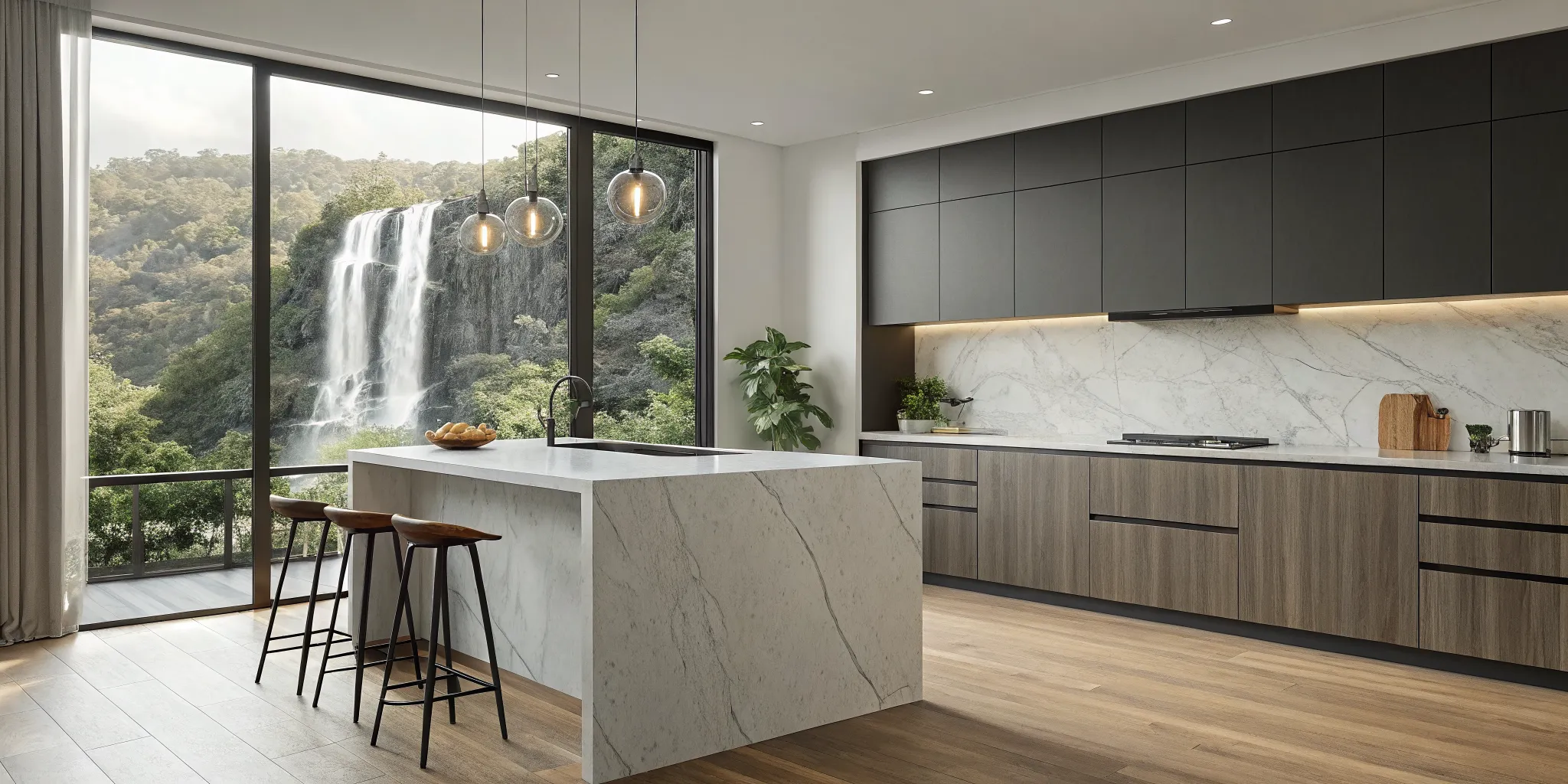
It’s easy to feel a little lost when you start researching your kitchen remodel cost. With so many variables at play, from the size of your space to the finish on your faucets, figuring out a realistic budget can seem like a huge challenge. This guide is here to cut through the noise. We’ll provide a simple, honest breakdown of where your money goes during a remodel in the Wasatch Front area. Our goal is to give you the clarity and confidence you need to plan your project, make smart choices, and create a kitchen you’ll love for years.
Key Takeaways
- Start with a Realistic Budget: Determine your absolute maximum spend before you do anything else, and plan for a 15% to 20% contingency fund. This creates a clear financial foundation and helps you make smart, stress-free decisions throughout the project.
- Understand Where Your Money Goes: Cabinets and labor typically consume the largest portion of a kitchen budget. Knowing this helps you make strategic decisions, like where to invest in quality and where you can find savings without sacrificing your vision.
- Preserve Your Kitchen's Layout: You can achieve a dramatic transformation without the high cost of moving walls or utilities. Working with your existing footprint is the most effective way to manage your budget, allowing you to invest more in the finishes and features you'll see and use every day.
What Does a Utah Kitchen Remodel Really Cost?
Let’s get right to it, because this is the question on everyone’s mind. The truth is, a kitchen remodel isn’t a one-size-fits-all purchase. The final cost depends entirely on your vision, the materials you fall in love with, and the scale of the changes you want to make. Are you dreaming of a simple refresh with new paint and countertops, or are you picturing a complete overhaul with custom cabinets and a brand-new layout? Each path comes with a different price tag.
To give you a clearer picture of what to expect here in Utah, we can break down kitchen remodels into three general budget tiers. Think of these as starting points to help you align your dreams with your budget. As you read through them, you’ll likely find a category that feels right for your project. Remember, these are ballpark figures. The only way to get a precise number for your unique space is to get a detailed quote, which accounts for your specific goals and home.
The Starter Remodel: $10,000 – $20,000
If you’re looking for a significant facelift without a full-gut renovation, this is your range. A starter remodel focuses on high-impact cosmetic updates that can completely change the feel of your kitchen. This budget typically covers projects like painting your existing cabinets, installing new countertops, putting in a new backsplash, or upgrading your appliances. It’s all about making smart, selective changes that give you the most bang for your buck. You can achieve a fresh, modern look and improve your kitchen’s daily use without the cost or disruption of a major construction project.
The Mid-Range Makeover: $20,000 – $65,000
This is the most common budget range, and it’s where you can make more substantial changes to your kitchen’s function and style. A mid-range makeover moves beyond cosmetic fixes and into larger upgrades. This budget allows for things like installing all-new semi-custom cabinets, choosing higher-quality materials for countertops and flooring, and investing in a full suite of energy-efficient appliances. You might even have room in the budget to make minor layout adjustments, like moving an appliance or adding a small island. This is the sweet spot for homeowners who want a kitchen that looks and feels brand new, and you can see some beautiful examples in our project gallery.
The High-End Transformation: $65,000+
Welcome to the dream kitchen zone. A high-end budget opens the door to a complete transformation, where your imagination is the main limit. This level of investment typically involves a full gut and redesign of the space, including reconfiguring the layout, moving walls, and updating plumbing and electrical systems. You’ll be working with premium materials like custom-milled cabinetry, natural stone countertops, and professional-grade appliances. For projects of this scale, especially those that can exceed $100,000, having a builder with a hands-on approach is critical. This is where our ability to manage every detail, from sourcing lumber to final installation, truly shines.
What Drives the Cost of a Kitchen Remodel?
When you start dreaming up your new kitchen, it’s easy to see the final picture: beautiful countertops, new appliances, and perfect lighting. But what’s harder to visualize is the budget. The final price tag on a kitchen remodel isn’t one single number; it’s a combination of several key factors. Understanding these drivers is the first step to creating a realistic budget and a space you’ll love. From the size of your room to the gleam of your faucet, every choice has an impact. Let's break down the four biggest elements that will shape your project's cost.
Your kitchen's size and layout
It’s a simple rule: the bigger the kitchen, the bigger the budget. A larger kitchen’s square footage requires more materials, from flooring and cabinets to countertops and paint. It also takes more labor hours to install everything, which adds to the overall cost. Beyond just size, changing your kitchen’s layout is a major cost driver. If you plan to keep your appliances, sink, and island in their current spots, you’ll save significantly. Moving plumbing, gas lines, or electrical wiring to accommodate a new configuration requires specialized trades and adds complexity, time, and expense to the project.
The materials and finishes you choose
This is where your personal style meets your budget, and it’s the area with the most flexibility. The quality of materials you select can cause the total cost to swing dramatically. For example, stock cabinets from a big-box store are far more affordable than the custom-built cabinetry we can create in our own mill. Similarly, laminate countertops are a budget-friendly choice, while high-end quartz or granite can be a significant investment. The same goes for flooring, backsplashes, lighting, and hardware. You can see how different materials come together by looking through our gallery of completed projects.
Labor and professional expertise
While it might be tempting to cut costs with DIY, hiring a professional team is an investment in getting the job done right. Labor costs cover the demolition, installation, plumbing, electrical work, and project management needed to bring your vision to life. A skilled contractor not only ensures quality craftsmanship but also helps you avoid costly mistakes and delays. One of the biggest threats to any budget is "scope creep," which happens when small changes and additions start to pile up. Clear communication with your builder is essential to stick to your plan and keep your project on track financially.
Your location along the Wasatch Front
Where you live in Utah plays a role in your total remodel cost. Labor rates and material availability can vary between cities like Salt Lake City, Park City, and Ogden. Permitting fees and local building codes also differ from one county to another. A builder with deep roots in the area, like Red Rooster, understands these local nuances and has established relationships with suppliers across the Wasatch Front. This local expertise helps manage logistics and secure fair pricing. For a deeper look at local building expenses, our guide to Utah construction costs offers more detailed insights.
Where Your Money Goes: A Kitchen Budget Breakdown
It’s one thing to have a total budget in mind, but it’s another to know where all that money actually goes. Breaking down your kitchen remodel costs helps you see which areas have the biggest impact and where you can make strategic choices to stay on track. Think of it as a roadmap for your investment, giving you clarity and control over the process. While every project is unique, especially here in Utah where home styles can vary so much, most kitchen remodels follow a similar pattern of expenses.
Understanding these categories will help you have more productive conversations with your contractor and make decisions with confidence. For example, knowing that cabinets are the largest expense might lead you to explore different material options or stick with your current layout. On the other hand, seeing how much goes toward labor highlights the value of working with a skilled team that gets the job done right the first time. These percentages are a guide, not a strict rule, but they provide a fantastic starting point for planning your dream kitchen. Let's look at the typical breakdown.
Cabinets (30%–40%)
It’s no surprise that cabinets are the single largest expense in most kitchen remodels. They are the foundation of your kitchen’s design, defining its layout, style, and functionality. This portion of your budget covers the cabinetry boxes, doors, drawers, and hardware. The cost can vary significantly depending on whether you choose stock, semi-custom, or fully custom cabinets. As a major focal point, this is an area where quality craftsmanship makes a visible difference for years to come. Investing in well-built, durable cabinetry not only improves your daily experience but also adds lasting value to your home.
Labor and installation (20%–35%)
Great materials need expert installation. Labor is a significant part of your budget, covering all the professional work required to bring your new kitchen to life. This includes demolition of the old space, electrical and plumbing work, and the precise installation of your cabinets, countertops, appliances, flooring, and backsplash. The cost depends on the scale of your project and its complexity. For instance, moving walls or re-routing plumbing lines will require more intensive labor. Hiring a skilled and reputable team ensures every element is installed correctly, safely, and beautifully, which is why we believe a hands-on approach is so important.
Appliances (15%–20%)
Your kitchen’s appliances are its workhorses, and they typically make up a sizable chunk of the budget. This category includes your refrigerator, oven, cooktop or range, dishwasher, microwave, and ventilation hood. Prices can range from budget-friendly to high-end luxury, depending on the brand, features, and finish you select. Many homeowners choose to invest in energy-efficient models, which can offer long-term savings on utility bills. When planning, consider how you use your kitchen and which appliance features will genuinely improve your cooking and daily routine.
Countertops and backsplash (10%–15%)
Countertops and backsplashes are where you can really inject personality into your kitchen. These surfaces are major visual elements that tie the whole design together. The cost in this category is driven primarily by the material you choose. Options range from affordable laminates to popular choices like quartz and granite, or high-end materials like marble and quartzite. Your backsplash can be a simple, clean subway tile or an intricate, decorative mosaic. This is a great area to balance aesthetics with durability, choosing materials that can withstand the demands of a busy kitchen while reflecting your personal style.
Flooring, lighting, and plumbing (15%–20%)
This category covers the essential infrastructure and finishing touches that make your kitchen functional and inviting. Flooring needs to be durable and water-resistant, with popular options including luxury vinyl plank (LVP), hardwood, and tile. A well-designed lighting plan is crucial, incorporating ambient, task, and accent lighting to create a bright, workable space. Plumbing costs include your new sink and faucet, as well as any labor for installing new water lines for an ice maker, pot filler, or island sink. These elements work together to complete the room's foundation.
Design fees (5%–10%)
Working with a professional designer or a design-build firm can be one of the smartest investments you make in your remodel. These fees cover the expert guidance needed to create a cohesive and functional layout, select materials, and ensure the final result meets your vision. A designer helps you avoid costly mistakes and can often save you money by sourcing materials and managing the project efficiently. At Red Rooster, our integrated design-build process means this expertise is woven into every step, ensuring your new kitchen is as practical as it is beautiful. You can see examples of our finished work in our project gallery.
Smart Design Choices to Manage Your Budget
A beautiful kitchen remodel doesn’t have to drain your savings. The secret is making smart, intentional choices about where to spend and where to save. While it’s easy to get swept up in high-end finishes, focusing your budget on the elements that matter most to you will give you a kitchen you love without the financial stress. The biggest impacts on your budget will come from four key areas: cabinetry, countertops, layout, and appliances.
By thinking through these categories ahead of time, you can create a clear plan. This helps you and your builder stay on the same page and avoid costly last-minute changes. At Red Rooster, we believe in transparency and helping you understand every line item. Our hands-on approach and direct sourcing of materials mean we can guide you toward quality choices that fit your financial comfort zone. You can explore our gallery to see how different materials and finishes come together in a finished space. We'll work with you to prioritize your wish list, finding creative solutions that honor both your vision and your bottom line. It's about making informed decisions, not sacrifices.
Custom vs. stock cabinetry
Cabinets are the foundation of your kitchen’s look and function, so it’s a great place to be strategic with your budget. Stock cabinets are the most affordable option, offering standard sizes and styles that work for many layouts. If you want more personalization, semi-custom cabinets offer more flexibility in finishes and sizes without the full price tag of custom work. True custom cabinets, built specifically for your space, offer endless possibilities but come at a premium. The material also plays a big role; particle board is a cost-effective choice for cabinet boxes, while plywood offers more durability for heavy pots and pans. We can help you find the perfect balance, perhaps by mixing custom island cabinetry with more standard perimeter cabinets to achieve a high-end look for less.
Choosing your countertop material
Countertops are a major focal point, but the material you choose can dramatically alter your budget. Materials like laminate or butcher block are incredibly cost-effective and can look fantastic in the right design. They offer a great way to get a fresh, new look while allocating more of your funds to other areas, like appliances or flooring. If you have your heart set on natural stone, granite often provides a durable and beautiful mid-range option. On the higher end, materials like quartz and quartzite offer premium performance and stunning aesthetics but come with a matching price tag. We can walk you through the pros and cons of each material, helping you find a surface that fits both your lifestyle and your budget. You can compare countertop materials to see which one is the best fit for your home.
Changing your layout (or not)
One of the most effective ways to manage your remodel cost is to work with your kitchen’s existing footprint. Keeping your sink, dishwasher, and stove in their current locations allows you to avoid the significant expense of moving plumbing, electrical, and gas lines. Removing walls to create an open-concept space also adds major labor and structural costs to the project. If your current layout is functional, you can achieve a dramatic transformation just by updating surfaces and fixtures. If the layout is truly inefficient and hinders how you use the space, then changing it may be a worthwhile investment. Just be sure to account for it in your initial budget. Sticking to your original plan is key to preventing "scope creep," where small additions slowly inflate the final cost.
Selecting your appliance tier
Appliances typically account for 15% to 20% of a kitchen remodel budget, so your selections here really matter. It’s helpful to think in tiers. Basic appliances are reliable, functional, and get the job done at an accessible price point. Mid-range models might offer more finishes, like black stainless steel, and additional features. High-end, luxury appliances come with professional-grade performance, smart technology, and designer looks, but their cost can be several times higher. Be honest with yourself about how you cook and what you truly need. A state-of-the-art oven with dozens of functions might be perfect for an avid baker, but if you primarily use your microwave, that money could be better spent elsewhere. A good appliance buying guide can help you prioritize features.
Watch Out for These Hidden Remodel Costs
Even the most detailed budget can be thrown off by unexpected expenses. While it’s impossible to predict every single thing that might come up, you can prepare for the most common surprises. A great contractor will help you anticipate these costs, but it’s always smart to know what to look for. Building a 15% to 20% contingency fund into your budget is the best way to handle these issues without stress.
From surprises behind the drywall to the simple cost of eating out while your kitchen is out of commission, these expenses can add up. Knowing what they are ahead of time helps you create a more realistic financial plan. We believe in transparency, which is why we help our clients plan for these possibilities from day one. A successful remodel isn't just about the beautiful final product you see in our gallery of projects; it's also about a smooth, predictable process. Understanding these potential costs is a key part of that process, ensuring you feel in control from start to finish. Here are a few hidden costs to keep on your radar.
Unexpected structural or utility issues
What you can’t see can definitely hurt your budget. Once we open up walls and floors, we might find outdated electrical wiring, leaky plumbing, or weak floor joists that need to be brought up to code. These issues are especially common in older Utah homes and must be fixed before the remodel can continue. The best way to minimize these surprises is to work with a builder who performs a thorough inspection before demolition begins. Identifying potential problems early allows us to address them in the initial plan rather than as a mid-project emergency.
Local permit and inspection fees
Depending on the scope of your project, you will likely need permits from your local city or county office. Any work involving electrical, plumbing, or moving walls requires official approval to ensure it’s done safely and to code. These permit and inspection fees are often overlooked in initial homeowner budgets, but they are a mandatory part of the process. A contractor with deep experience in your area, whether it's Salt Lake, Davis, or Wasatch County, will know exactly which permits are needed. They can build those fees into your estimate from the start, so you aren’t caught off guard.
Mid-project changes and add-ons
It’s completely normal to get new ideas as you see your kitchen taking shape. However, making changes after the project has started can be one of the biggest budget-busters. Deciding to switch your backsplash tile or add a pot filler after plumbing and drywall are complete means extra materials and labor, which can cause significant delays and costs. We help you avoid this by finalizing all your design choices and material selections before any work begins. A detailed plan ensures your project runs smoothly and that your beautiful finished kitchen is exactly what you envisioned.
The cost of a temporary kitchen
While your dream kitchen is under construction, you’ll still need a way to eat. For a few weeks or months, your family will be without a functioning stove, sink, or full-size fridge. This often means more meals out, which can add up quickly. Many families set up a temporary kitchen in another room with a microwave, a coffee maker, and a mini-fridge. It’s wise to factor these lifestyle costs into your overall budget. Planning for this temporary inconvenience makes the entire remodeling process feel much more manageable and less disruptive to your daily life.
How to Create a Smart Kitchen Remodel Budget
A successful kitchen remodel starts long before the first hammer swings. It begins with a smart, realistic budget. Creating a financial plan for your project can feel like the least exciting part, but it’s the single most important step you’ll take. A well-planned budget acts as your roadmap, guiding every decision from layout to lighting and ensuring you end up with a kitchen you love, without the stress of overspending. It’s all about knowing your numbers, understanding your priorities, and finding a team you can trust to bring your vision to life.
Establish your all-in number first
The budget conversation should always come first. Before you fall in love with a specific countertop or a high-end appliance, you need to determine your "all-in" number, which is the absolute maximum you are willing to spend. This figure shapes the entire project. Being transparent about your budget with your contractor isn't about giving away leverage; it's about establishing a partnership built on realism. When your builder knows your financial boundaries, they can provide practical guidance on where to save and where to splurge, ensuring the final design aligns with your expectations and your wallet.
Work with your current footprint
One of the fastest ways to inflate a remodel budget is by changing the kitchen's layout. Moving walls, relocating plumbing for a sink or dishwasher, or shifting gas and electrical lines adds significant labor and material costs. If you want to get the most impact for your money, try to work with your kitchen’s current footprint. You can still achieve a dramatic transformation with new cabinets, countertops, and appliances without the expense of major structural changes. Sticking to your original plan is key, as small additions and changes, often called "scope creep," can quickly add up and derail your budget.
Plan a 15-20% contingency fund
Even with the most careful planning, remodels can come with surprises, especially in older Utah homes. When you open up walls, you might find outdated wiring, hidden plumbing issues, or unexpected structural quirks that need to be addressed. That’s where a contingency fund comes in. You should always set aside an extra 15% to 20% of your total project cost for these unforeseen expenses. Think of it as a safety net. If your remodel budget is $50,000, your contingency fund would be between $7,500 and $10,000. This isn't money you plan to spend, but having it ready provides peace of mind and prevents financial stress if the unexpected happens.
Separate your needs from your wants
Defining clear goals is essential for budgeting. Before you start, think about how you use your kitchen and what improvements will add the most value to your daily life. Make two lists: one for your "needs" and one for your "wants." Your needs list should include the non-negotiables, like functional cabinets, durable countertops, or fixing a dysfunctional layout. The wants list can include the extras, like a wine fridge, a pot filler, or designer light fixtures. This exercise helps you prioritize spending and gives you a clear guide for where to make cuts if you need to stick to your remodel cost guide.
Choose the right contractor
Your contractor is your most important partner in keeping your project on track and on budget. Good communication is the key to a successful project, so look for a builder who is transparent, listens to your ideas, and provides honest feedback. We recommend providing a realistic budget range, like "$50,000 to $60,000," to be upfront while maintaining some flexibility. A great contractor will respect your budget and act as your advocate, helping you make smart decisions. When you're ready to start the conversation, feel free to contact our team to see how our hands-on approach can help you build the kitchen of your dreams.
Is a Kitchen Remodel a Good Investment?
A kitchen remodel is one of the biggest projects you can take on as a homeowner, so it’s natural to ask if it’s worth the cost. The answer is almost always yes, but "investment" means more than just the money you get back when you sell. It’s an investment in your daily life, your family’s comfort, and the overall enjoyment of your home. A beautiful, functional kitchen can completely change how you feel about your space. But let's be practical and talk about the numbers, because the financial side of things matters, too.
Understanding your return on investment
When it comes to resale value, a kitchen remodel offers a solid return. On average, you can expect to recoup about 55% to 78% of your project cost. Interestingly, smaller, more strategic updates often provide a better percentage return than a complete overhaul. For example, a minor kitchen refresh might get you back over 71% of what you spent. A major, high-end remodel still adds significant value, but the return might be closer to 56%. The key is to make smart choices that align with your home's overall value and the expectations of buyers in your Utah neighborhood.
Long-term savings from energy efficiency
Your return on investment isn't just about resale. A modern kitchen can save you money every single month. Upgrading to new, energy-efficient appliances is a perfect example. While they might have a higher upfront cost, the savings on your utility bills add up quickly. Think about a high-efficiency dishwasher that uses less water or a refrigerator that consumes far less electricity. These ongoing savings are a tangible benefit you get to enjoy for as long as you live in your home, making your kitchen not just beautiful but also smarter and more economical.
How a new kitchen affects your home's value
Beyond the direct financial return, a newly remodeled kitchen significantly increases your home's marketability. For many potential buyers, the kitchen is the most important room in the house. An outdated kitchen can be a major turn-off, while a fresh, modern one can make your home sell faster and for a higher price. High-impact upgrades like quality countertops, a stylish backsplash, and well-crafted cabinets create a powerful first impression. You can see in our gallery how these elements come together to create spaces that feel both luxurious and welcoming, making a home instantly more appealing to buyers.
Ready to Plan Your Utah Kitchen Remodel?
Starting a kitchen remodel is an exciting process, but it’s easy to feel overwhelmed by the numbers. While a standard kitchen renovation in Utah can range from $26,000 to $35,000, your project is unique. The most important step you can take is setting a clear budget before you do anything else. Knowing your all-in number from the start allows for efficient planning and helps you and your builder get on the same page immediately, avoiding proposals that don’t align with your financial goals.
Once you have a budget, you can make informed decisions about the elements that matter most to you. A significant portion of your investment will likely go toward cabinetry, labor, and new appliances. Your budget will help you decide where to allocate funds, whether that means opting for beautiful and efficient stock cabinets or investing in custom-built cabinetry designed just for your space. Having a plan helps you create a kitchen that meets both your aesthetic and functional needs without stretching yourself too thin.
At Red Rooster Construction, we believe a successful remodel begins with a transparent conversation about cost. Our hands-on approach means we guide you through every choice, ensuring the design fits your vision and your budget. Because we have direct control over our process, from operating our own lumber mill to sourcing materials, we can deliver exceptional quality while carefully managing project expenses. If you’re ready to start a conversation about what’s possible for your home, we’d love to hear from you. You can get in touch with our team to discuss your project and begin the planning process.
Frequently Asked Questions
How long does a kitchen remodel usually take? The timeline for a kitchen remodel depends entirely on the project's scale. A simple cosmetic refresh, like painting cabinets and replacing countertops, might take just a few weeks. A more involved mid-range project with new cabinets and appliances could take four to eight weeks. For a high-end, full-gut renovation that involves moving walls or changing the layout, you should plan for the project to last several months. The most important factor for a smooth timeline is having all your plans and materials finalized before any work begins.
Can I really get a nice kitchen for under $20,000? Absolutely. A budget in this range is perfect for a high-impact cosmetic update. The key is to be strategic with your choices. This budget allows you to focus on things that give you the most visual bang for your buck, like professionally painting your existing cabinets, installing new hardware, putting in a beautiful new backsplash, and upgrading your countertops to an affordable but stylish material. You can achieve a fresh, modern, and highly functional kitchen without the cost of a full gut renovation.
What happens to the 15-20% contingency fund if we don't use it? That’s a great question, and the simple answer is that the money stays with you. The contingency fund isn't a fee you pay to the contractor; it's a portion of your own budget that you set aside for peace of mind. Think of it as an insurance policy against surprises, like finding old plumbing or wiring that needs updating. If we get through the project without any unexpected issues, that money is never spent and remains in your bank account.
Why is it so important to finalize all my design choices before you start working? Finalizing your decisions upfront is the single best way to keep your project on time and on budget. Once a project starts, a complex schedule of material orders and trade professionals (like plumbers and electricians) is set in motion. Changing your mind about a tile or a faucet after work has begun can create a domino effect, causing delays and increasing labor costs. We work with you to create a detailed plan from the very beginning so the construction phase can run smoothly and efficiently.
I have a general budget in mind. What's the best way to start the conversation with a contractor? The best way to start is with honesty and transparency. When you first meet with a builder, be upfront about your realistic budget range. This isn't about giving away negotiating power; it's about creating a partnership. When we know your financial comfort zone from the start, we can provide practical advice and develop a design that truly fits your goals. It saves everyone time and ensures that our first proposal is one that respects your investment and gets you excited about what's possible.
Planning a project in Utah?
Talk with Red Rooster Construction about your build, remodel, or outdoor space.
Request a Quote