
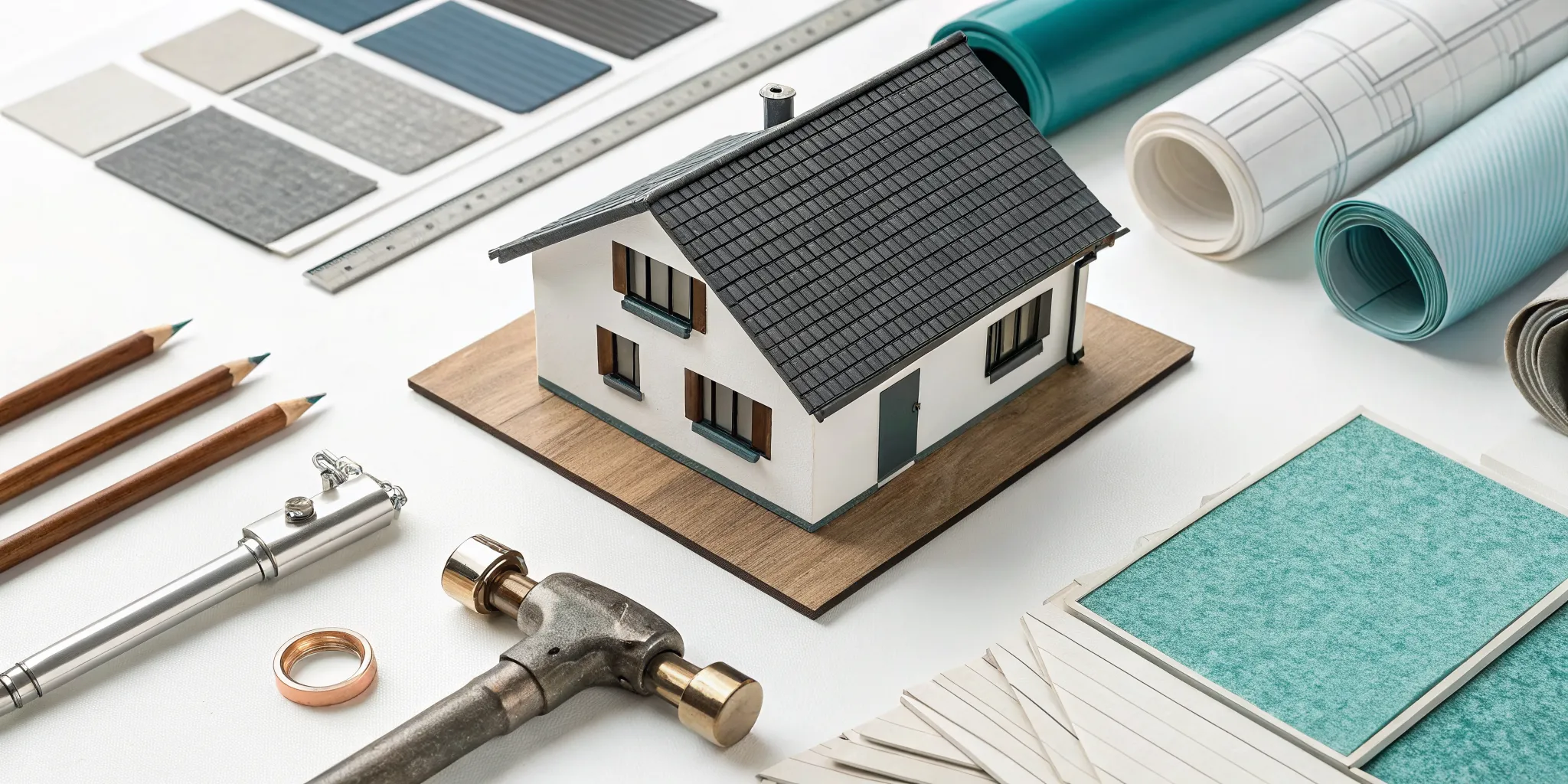
Remodeling your home in Utah comes with its own set of considerations. Costs and logistics can vary significantly whether you’re in a bustling Salt Lake neighborhood or a quieter community in Wasatch County. When you start to ask how much does it cost to remodel a house, the answer is tied to our local market, from labor rates to material availability. This guide is written specifically for Utah homeowners like you. We’ll explore the factors that influence pricing right here along the Wasatch Front and explain how partnering with a hands-on local builder helps you manage your budget and achieve the quality craftsmanship your home deserves.
Key Takeaways
- Establish a Realistic Budget and Contingency Fund: Start by researching local costs and separating your needs from your wants. It is critical to set aside a contingency fund of 10% to 20% to cover any surprise repairs or system upgrades.
- Understand What Drives Your Total Cost: The project's scope and your material choices are the biggest factors in your final price. Kitchens and bathrooms are typically the most expensive rooms to renovate due to complex plumbing and electrical work.
- Your Contractor and Financing are Key Partners: A successful remodel depends on a strong partnership with your builder and a smart financial plan. A trustworthy contractor helps manage costs, while securing the right financing makes the project possible.
How Much Does a Home Remodel Cost?
So, you’re thinking about remodeling. It’s an exciting prospect, but I know the first question on your mind is probably, “What’s this going to cost me?” The honest answer is: it depends. The final price tag for a home remodel is shaped by everything from the size of your space to the finishes you choose. To give you a clearer picture, let's break down the costs by looking at some common pricing models and project scopes. Seeing how professionals approach budgeting can help you set realistic expectations for your own project.
Average Cost per Square Foot
One of the most common ways people try to estimate renovation costs is by looking at the price per square foot. While this can be a helpful starting point, the numbers can swing wildly. For example, some industry reports show that simple cosmetic updates might run from $15 to $60 per square foot, while more involved, mid-range projects can jump to between $100 and $250 per square foot. These figures, which can help you understand general home renovation costs, highlight just how much the scope of work and material choices can influence your budget. Think of it as a rough guide, not a fixed price, as the final cost will always depend on the specifics of your unique project.
Partial vs. Full Home Remodels
Another major factor is whether you’re planning a partial or a full home remodel. A complete overhaul of your entire house is a significant undertaking, with costs often ranging from $100,000 to $200,000. On the other hand, focusing on a single area, like a kitchen or bathroom, is much more contained. These partial remodels typically fall between $10,000 and $50,000. Understanding the house renovation costs for different project sizes helps you align your vision with your budget from the very beginning. Whether you're dreaming of a brand-new kitchen or a top-to-bottom transformation, knowing these general ranges can help you start the planning process on the right foot.
What Does It Cost to Remodel Each Room?
Breaking down your remodel by room is one of the best ways to get a handle on your total budget. It helps you see where the money is going and allows you to plan your project in phases if needed. As you might guess, not all rooms are created equal when it comes to cost. Kitchens and bathrooms almost always carry the highest price tags because they involve a complex mix of plumbing, electrical work, cabinetry, and expensive fixtures. Other spaces, like bedrooms and living rooms, are typically more straightforward.
Keep in mind that the numbers we’ll discuss are estimates. The final cost will always depend on your specific home, the materials you choose, and the scope of your project. The best way to visualize what’s possible at different price points is to look at real-life examples. You can see a wide range of our finished kitchens, bathrooms, and living spaces in our project gallery. Seeing the craftsmanship and detail up close can help you define what you truly want for your own home. From there, we can work together to create a realistic budget that brings your vision to life.
Kitchens
The kitchen is the heart of the home, and it’s also one of the most popular and impactful rooms to remodel. For a mid-range kitchen renovation, you can expect to invest around $30,000. This could range from $15,000 for simpler updates like painting cabinets and replacing a backsplash to $60,000 or more for a complete overhaul with new layouts, custom cabinets, and high-end appliances. It’s also a room where hidden issues can pop up. Moving plumbing lines or updating old electrical wiring to meet current codes can add to the final bill, so it’s smart to have a contingency fund ready.
Bathrooms
A bathroom remodel can dramatically improve your daily routine, and the cost can vary quite a bit. A typical bathroom renovation falls between $8,000 and $20,000. A simple powder room refresh will be on the lower end of that spectrum, while a primary bathroom transformation with a new layout, a walk-in shower, and a double vanity can easily exceed $30,000. The main cost drivers are tile work, fixtures, and whether you decide to move plumbing. Even a small bathroom requires a lot of different tradespeople in a tight space, which contributes to the overall expense.
Living Rooms and Bedrooms
Remodeling living rooms and bedrooms is generally less expensive than kitchens or bathrooms because they don’t involve plumbing. Costs are mainly driven by the finishes you choose. A simple project with fresh paint, new flooring, and updated light fixtures might cost a few thousand dollars. However, if you’re planning on adding custom built-in shelving, a new fireplace, or moving walls to create an open-concept space, the price will increase accordingly. These rooms are all about creating comfort and reflecting your personal style, and you can achieve a lot without a massive budget.
Basements and Attics
Finishing a basement or an attic is an excellent way to add valuable living space to your home without building an addition. The cost to convert these raw spaces into functional rooms can vary widely. Turning a basement into a new bedroom or home office might cost between $20,000 and $50,000. If your plans are more ambitious, like creating a full in-law suite with a bathroom and kitchenette, you could be looking at $80,000 or more. Key factors include adding egress windows, running plumbing and electrical, and the level of finishes you select. Because this is a major undertaking, it’s a good idea to contact a professional early in the process.
What Factors Affect Your Remodel's Cost?
Figuring out the cost of a home remodel can feel like trying to hit a moving target. The final price tag isn't one single number; it’s a combination of several key factors that can shift up or down. Understanding what drives these costs is the first step toward creating a realistic budget and a successful project. From the materials you choose to the very ground your home sits on, every decision plays a role in shaping the total investment.
Thinking about these variables ahead of time helps you and your builder get on the same page. It allows you to prioritize what matters most to you, whether that’s splurging on a dream kitchen or finding creative ways to save on a bathroom update. While it might seem like a lot to consider, a hands-on builder will walk you through each element, explaining how your choices affect the bottom line. This partnership is key to making sure your vision comes to life without unexpected financial stress.
Your Home's Location and Local Labor Rates
Where you live has a surprisingly big impact on your remodeling budget. Costs can vary significantly from one city to another, even within Utah. Factors like local labor rates, the cost of materials delivery, and regional demand all play a part. For example, a project in a high-demand area like Park City might have different labor costs than one in a quieter Salt Lake suburb.
As one guide on renovation costs notes, expenses vary a lot based on "where you live, and the materials you choose." This is why getting a quote from a builder who is deeply familiar with your specific area is so important. At Red Rooster, we work across the Wasatch Front, so we have a firm grasp on the local pricing and logistics in communities from Davis to Summit County.
Material and Finish Choices
This is where your personal style really comes into play, and it’s also one of the biggest levers for your budget. The materials and finishes you select can dramatically change the final cost. High-end choices like custom cabinetry, marble countertops, and designer fixtures will naturally cost more than standard, off-the-shelf options. As one expert points out, using premium materials can sometimes even double your costs compared to more budget-friendly choices like stock cabinets and laminate.
This is an area where our approach at Red Rooster really helps our clients. Because we operate our own lumber mill, we have direct control over the quality and cost of the wood used in your project. This allows us to provide superior materials without the typical markup. You can see the beautiful results of different material choices in our project gallery.
Project Scope and Complexity
The size and complexity of your remodel are major cost drivers. A simple cosmetic update, like painting walls and replacing light fixtures, will be far more affordable than a project that involves structural changes. As you might expect, "bigger and more complex jobs (like moving walls or plumbing) cost more than simple updates."
Projects that involve reconfiguring a floor plan, moving plumbing for a new bathroom layout, or altering electrical wiring require more intensive labor, additional permits, and the expertise of specialized tradespeople. Adding square footage with a home addition is another example of a high-complexity project. Defining your project's scope is a critical first step in establishing a realistic budget.
Your Home's Current Condition
What lies behind your walls can hold some of the biggest budget surprises, especially in older homes. The current condition of your house is a crucial factor that can introduce unexpected costs. Older properties might have outdated electrical wiring that isn’t up to code, hidden water damage, or even hazardous materials like asbestos that need professional remediation.
These "hidden problems... add unexpected costs" that you might not have planned for. While a thorough inspection before demolition can help identify some potential issues, it’s wise to set aside a contingency fund for any surprises. An experienced contractor will know the common issues for homes of a certain age and style in your area and can help you anticipate what you might find.
Permits and Fees
For most remodels that go beyond simple cosmetic changes, you will need to secure building permits from your local city or county. These permits ensure that all work is performed safely and meets current building codes, which protects you and the future value of your home. The cost of these permits and any associated fees can vary widely depending on where you live and the scale of your project.
A professional contractor should handle the entire permitting process for you, as it can be a complex and time-consuming task. They will know exactly what paperwork is needed and will coordinate inspections at the right stages of the project. If you have questions about what permits your specific project might require, feel free to get in touch with our team.
How Much Does It Cost to Remodel a House in Utah?
Thinking about a home remodel is exciting, but the first question on everyone’s mind is usually about the cost. Understanding the potential investment is a crucial first step in your planning process. While every project is unique, knowing the general price ranges in Utah can help you set a realistic budget. Costs can differ significantly depending on where you live along the Wasatch Front, the scope of your project, and the team you hire to bring your vision to life.
Pricing Along the Wasatch Front
Home renovation costs in Utah depend heavily on the project type, materials, and your specific location. For a simple cosmetic update, like fresh paint and new fixtures, you might see costs ranging from $15 to $60 per square foot. A standard, mid-range remodel, such as a basic kitchen or bathroom overhaul, typically costs between $100 and $250 per square foot. If you’re planning an extensive renovation with structural changes or high-end finishes, costs can easily exceed $250 per square foot. For a more detailed breakdown, our Utah cost guide offers deeper insights into local pricing.
How a Local Builder Helps You Manage Costs
Partnering with a local builder is one of the smartest ways to manage your remodeling budget effectively. A builder who is familiar with the Wasatch Front understands the regional market, including local labor rates and material costs, which can vary from Salt Lake to Summit County. We can provide insights into the most cost-effective materials and design choices that fit your budget without compromising on quality. Open and consistent communication with your builder is also essential for staying on budget and making informed decisions that prevent costly changes down the road. When you're ready to discuss your project, we're here to help you get started.
What Hidden Costs Should You Plan For?
Even with a detailed plan and a trustworthy contractor, remodeling projects are famous for their surprises. The final price tag often includes more than just the beautiful finishes and skilled labor you planned for. Planning for potential hidden costs from the very beginning is the best way to protect your budget and your peace of mind. These aren't signs of a poorly planned project or a contractor's mistake; they're just the nature of renovating a home, especially an older one. By anticipating these expenses, you can stay in control and avoid the financial stress that can overshadow the excitement of creating your dream space.
Unexpected Structural or System Issues
The biggest unknowns in any remodel are hiding behind your walls. Until demolition begins, it’s impossible to know the true condition of your home’s framework, plumbing, and electrical systems. It’s common in older Utah homes to uncover issues like outdated wiring that isn’t up to code, hidden water damage from a slow leak, or even asbestos that needs professional removal. These problems must be fixed before the project can continue, adding unexpected costs. While it can be frustrating, addressing these core issues ensures your home is safe and sound for years to come. A detailed cost guide can help you understand the baseline expenses for major systems.
The Cost of Changing Your Mind
It’s easy to get new ideas once you see your space taking shape. You might decide you want higher-end tile, an extra window, or a different layout. While we want you to love your finished home, it’s important to understand that mid-project changes can significantly impact your budget. This "scope creep" affects more than just material costs; it can lead to additional labor, revised plans, and project delays. The best way to manage this is through clear communication with your builder. Finalizing as many decisions as possible before work starts helps keep your project on track and on budget. If you do decide to make a change, we’ll always be transparent about how it will affect the cost and timeline.
Why You Need a Contingency Fund
A contingency fund is your single best tool for handling hidden costs. This is a portion of your total budget, typically 10% to 20%, set aside specifically for the unexpected. This fund acts as a safety net, giving you the flexibility to cover surprise repairs without derailing your finances. It can also give you the freedom to approve a change or upgrade you really want without feeling guilty. Think of it as built-in insurance for your remodel. Keeping this fund separate and tracking every expense diligently will help you stay aware of where your money is going. A contingency fund turns a potential crisis into a manageable decision.
How to Create a Remodel Budget (and Stick to It)
Creating a budget for your home remodel can feel like the least exciting part of the process, but it’s the single most important step for a successful project. A clear, realistic budget acts as your roadmap, guiding every decision from the materials you choose to the final finishing touches. It helps you and your builder stay on the same page and ensures your vision can come to life without financial stress. The key isn’t just setting a number; it’s about creating a plan you can actually follow. By breaking it down into manageable steps, you can build a budget that works for you and helps you get the beautiful, functional space you’ve been dreaming of. Let’s walk through how to do it.
Set a Realistic Budget
The first step is figuring out a number that makes sense for your project and your finances. Home renovation costs can vary quite a bit depending on the scope of the work, your location, and the quality of materials you select. Understanding these variables helps you plan better and avoid surprises. Start by researching typical Utah home building costs for projects similar to yours. Look at your personal finances to determine what you can comfortably afford, whether you’re paying with cash or financing the project. This initial number might change as you get more detailed quotes, but having a realistic starting point is essential for making informed decisions from day one.
Prioritize Your Must-Haves
Once you have a budget in mind, it’s time to decide what matters most. It’s easy for a wish list to grow, so separating your needs from your wants is crucial. A great way to do this is by making two lists: one for your "must-haves" and another for your "nice-to-haves." Your must-haves are the non-negotiable elements, like fixing a leaky roof or reconfiguring a dysfunctional kitchen layout. Then, you can evaluate extras like high-end appliances or custom cabinetry based on what’s left in your budget. This approach helps you focus your spending on what will have the biggest impact and makes it easier to make smart trade-offs if you need to cut costs.
Track Every Expense
A budget is only useful if you use it. To stay on track, you need a simple system for monitoring every dollar spent. Keep detailed records of all your expenses in a spreadsheet or a budgeting app. This includes payments to your contractor, material purchases, permit fees, and any other project-related costs. Regularly comparing your spending against your budget will show you where your money is going and help you spot potential overages before they become a major problem. This proactive approach allows you to make adjustments along the way, ensuring you don’t get to the end of your project with an empty bank account and an unfinished bathroom.
Find the Right Contractor
Your contractor is your most important partner in the budgeting process. A successful renovation begins with a shared understanding of your vision, goals, and financial boundaries. A trustworthy builder won’t just give you a quote; they will work with you to create a detailed plan that aligns with your budget. They can offer suggestions for cost-effective materials, help you anticipate potential issues, and manage the project to prevent unnecessary expenses. When you interview potential builders, be upfront about your budget and listen to how they respond. The right partner will respect your financial plan and help you make the most of every dollar. When you're ready, get in touch with a builder to start the conversation.
How Can You Finance Your Home Remodel?
Once you have a vision for your remodel and a rough idea of the cost, the next big question is: how will you pay for it? Funding a major home project can feel like a huge hurdle, but you have more options than you might think. From using your home's existing value to specialized renovation loans, the right financing strategy can make your dream project a reality. Understanding these options will help you choose the best path forward for your family and your budget. When you're ready to discuss your project's specifics, our team is here to help you understand the costs so you can approach lenders with a clear plan.
Home Equity Loans and HELOCs
If you’ve been in your home for a few years, you’ve likely built up equity, which is the difference between what your home is worth and what you owe on your mortgage. You can borrow against this value using either a home equity loan or a Home Equity Line of Credit (HELOC). A home equity loan gives you a lump sum of cash with a fixed interest rate, which is great for predictable monthly payments. A HELOC, on the other hand, works more like a credit card, giving you a line of credit you can draw from as needed. This flexibility is perfect for remodels where costs might pop up over time. Both options typically offer lower interest rates than personal loans.
Cash-Out Refinancing
Another way to use your home’s equity is through a cash-out refinance. This process involves replacing your current mortgage with a new, larger one. You then receive the difference between the two loans in cash, which you can use to fund your renovation. This can be a smart move if you can also secure a lower interest rate than you have on your current mortgage. Keep in mind that this option restructures your entire home loan, so it’s a long-term financial decision. It’s best to weigh the pros and cons to see if it aligns with your financial goals before moving forward.
FHA 203(k) and Fannie Mae HomeStyle Loans
If you’re planning a major renovation, you might want to look into specialized renovation loans. The FHA 203(k) loan is a popular government-insured mortgage that rolls the cost of renovations into your primary loan. This is an excellent choice for homes that need a lot of work, allowing you to finance both the purchase (or refinance) and the remodel with a single, low-interest loan. The Fannie Mae HomeStyle loan is a similar conventional loan option that also lets you finance your renovation. These loans are designed specifically for home improvement, making them a streamlined way to fund your project from start to finish.
Personal Loans and Credit Cards
For smaller projects, a personal loan can be a straightforward option. These loans are typically unsecured, meaning you don’t have to use your home as collateral, and they often fund much faster than equity-based loans. Credit cards can also be useful for immediate expenses or purchasing materials, especially if you can take advantage of rewards points. However, it’s important to be cautious with credit cards, as they often come with high interest rates. They are best used for expenses you can pay off quickly to avoid letting interest pile up and add to your overall remodel cost.
Government Grants and Energy-Efficiency Programs
While not a primary funding source, don’t overlook grants and special programs that can help reduce your costs. Many local, state, and federal programs offer financial incentives for making energy-efficient upgrades to your home. You might find interest-free loans, tax breaks, or rebates for installing new windows, insulation, or an efficient HVAC system. It’s worth taking some time to search for programs available in Utah. These incentives can help stretch your budget further and lower your home’s energy bills for years to come, making your remodel an even smarter investment.
Is Remodeling Your Home Worth It?
Deciding whether to remodel is a big question that balances your budget with your happiness. A major renovation is a significant financial commitment; a whole-home remodel can easily cost between $100,000 and $200,000. Because of this, it’s important to define what “worth it” truly means to you. Are you focused on the potential return on investment when you sell, or are you trying to create a home that perfectly suits your family’s needs for years to come? Answering this will guide every decision you make.
From a purely financial perspective, some projects give you more bang for your buck. Kitchen and bathroom remodels are well-known for providing a strong return, making them popular choices for homeowners looking to increase their property value. However, the worth of a remodel isn't just about resale. Think about the daily value you get from a space that works for you. The joy of cooking in a functional, beautiful kitchen or the ease of getting ready in a well-designed bathroom can be priceless. For many, investing in their current home is a better choice than facing the cost and stress of moving.
Ultimately, a remodel feels worth it when the process is as rewarding as the result. A project’s success often hinges on clear planning and effective communication with your contractor, which helps align expectations and keep the project on track. Seeing what’s possible in our gallery can help you visualize a transformation that feels right for you. When your new space enhances your daily life and you feel confident in the team bringing it to life, you’ll know the investment was worth making.
Frequently Asked Questions
How can I save money on my remodel without cutting corners on quality? The best way to manage your budget is by planning carefully and making smart choices from the start. Begin by creating a clear list of your priorities, separating your absolute must-haves from the nice-to-haves. You can also discuss material options with your builder. For example, a high-quality laminate can provide the look of hardwood for a fraction of the price. Working with a builder who has direct control over their material sourcing, as we do with our own lumber mill, can also provide significant value and ensure quality is never compromised.
Why is a contingency fund so important, and how much should I really set aside? A contingency fund is your financial safety net for the project. It is meant to cover unexpected issues that can’t be seen before work begins, like outdated wiring or hidden water damage behind a wall. It is not for funding last-minute upgrades. For most projects, setting aside 10% to 20% of your total budget is a wise move, with the higher end being safer for older homes. Having this fund in place turns a potential crisis into a manageable decision, giving you peace of mind throughout the process.
The cost ranges are helpful, but how do I get a precise estimate for my specific project? General cost guides are great for initial planning, but a truly accurate price requires a detailed conversation and a site visit. To prepare for a consultation with a builder, it helps to have a clear idea of your project scope, a list of your needs and wants, and some inspirational images. You should also have a general budget range in mind. A professional builder will use this information to walk through your space, discuss possibilities, and create a detailed proposal tailored to your home and your goals.
Besides the cost, how long does a typical remodel take? The project timeline depends entirely on the scope of your renovation. A simple bathroom refresh might take a few weeks, while a full kitchen overhaul or basement finish could take several months from start to finish. The total duration includes not just the construction phase but also the initial design and planning, ordering materials, and securing permits. A good contractor will provide you with a projected timeline upfront so you know what to expect.
Is it better to remodel my current home or just move to a new one? This is a very personal decision that depends on your finances and your connection to your home. Consider the full cost of moving, which includes realtor fees, closing costs, and the expense of the move itself, in addition to potentially buying a more expensive house. Remodeling allows you to create a home that is perfectly suited to your needs in a neighborhood you already know and love. Often, investing in your current property provides the lifestyle you want without the stress and uncertainty of a move.
Planning a project in Utah?
Talk with Red Rooster Construction about your build, remodel, or outdoor space.
Request a Quote