
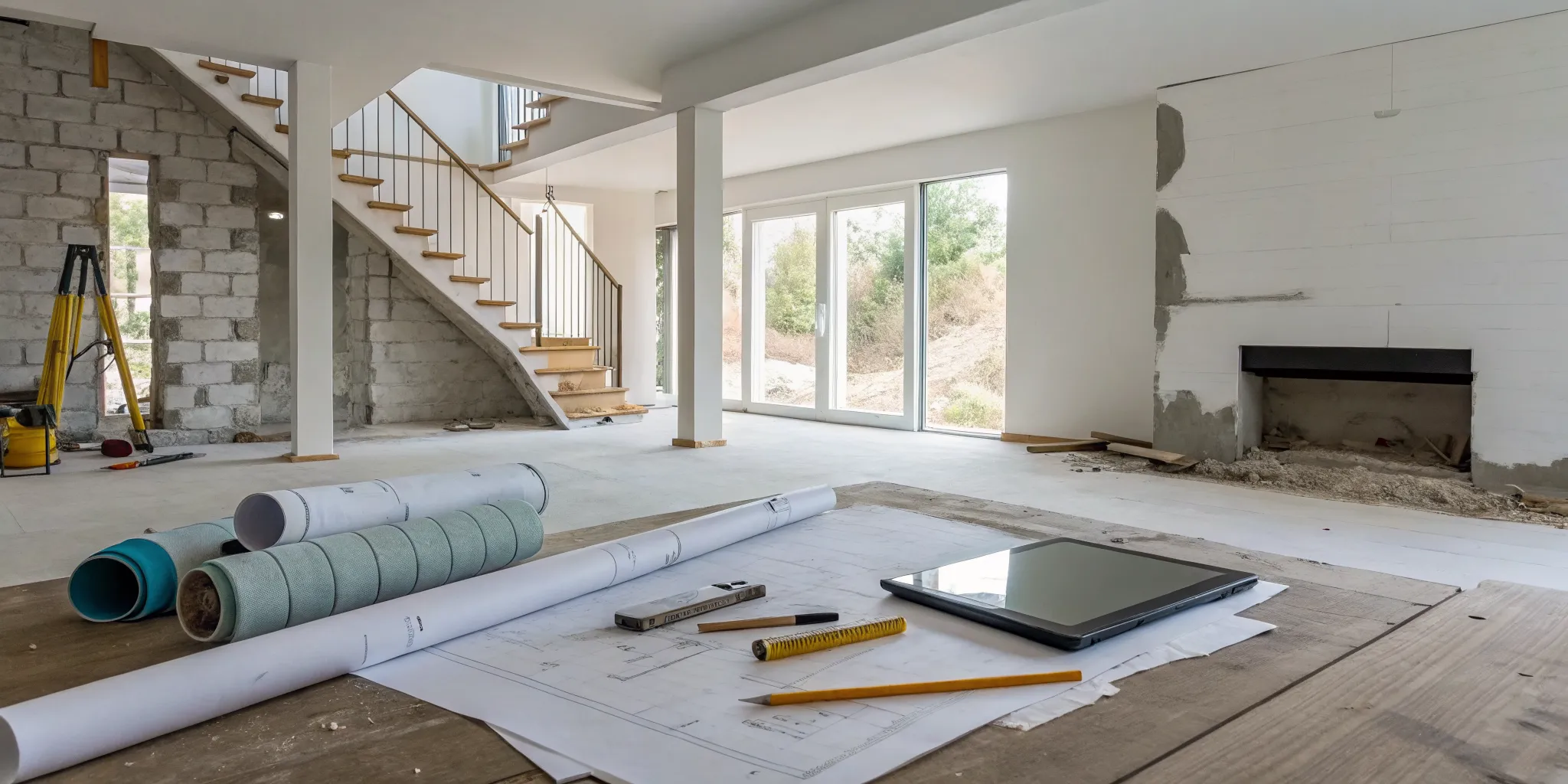
The decision to start a house renovation often begins with a quiet, persistent feeling. It’s the cramped kitchen that makes family dinners a chore, the dated bathroom that feels anything but relaxing, or the simple fact that your home no longer reflects who you are. This is more than just a construction project; it’s an opportunity to reshape your daily life and create a space that truly supports you. But where do you begin? This guide is your roadmap, designed to walk you through each stage with clarity and confidence, from defining your vision and setting a realistic budget to choosing the right partner for the job.
Key Takeaways
- Plan for success by defining your vision and budget first: A successful renovation starts with a clear plan that outlines your goals and a realistic budget, including a 10 to 20 percent contingency fund for unexpected costs.
- Choose your contractor based on partnership, not just price: The right builder is a collaborator who communicates clearly and understands your vision. Look for a trusted local professional instead of simply accepting the lowest bid.
- Balance personal enjoyment with long-term value: Make smart investments by choosing projects with a high return, like kitchens and decks, and selecting timeless, durable materials that are well suited for Utah's climate.
What Inspires a Home Renovation?
The decision to renovate your home is a big one, and it often starts with a simple feeling: something just isn’t working anymore. Maybe your family has grown, your style has evolved, or you’re finally ready to create the space you’ve always dreamed of. Whatever your reason, a renovation is a chance to reshape your home to fit your life, not the other way around.
Most projects are born from one of three main goals: improving your home's function, increasing its financial value, or simply giving it a fresh look that makes you happy. Understanding your primary motivation will help you make clear decisions and create a focused plan from the very beginning.
To Make Your Home Work Better for You
Life changes, and sometimes your home needs to catch up. The most common reason people decide to renovate is to improve their home’s functionality. You might need an extra bedroom for a new baby, a dedicated home office, or a more open kitchen that can handle family gatherings. According to the National Association of Home Builders, many homeowners remodel to add more space or update old features like cabinets and appliances. It’s about making your daily routines smoother and your home a more comfortable place to live. This could also mean practical upgrades like new windows or better insulation to make your home more energy-efficient and reduce utility bills.
To Increase Your Home's Value
A well-planned renovation can be a smart financial investment. Many projects add significant value to your home, offering a solid return when it’s time to sell. However, it’s important to know that the most expensive updates don’t always provide the best return on investment. For example, a minor kitchen remodel or a new deck often recoups a higher percentage of its cost than a major, high-end overhaul. Understanding the local market and which projects are most desirable to Utah buyers is key. Getting familiar with the cost to build and renovate in our area will help you budget wisely for projects that truly pay off.
For a Fresh Look and Better Efficiency
Sometimes, you just need a change. Living in a space that feels dated or doesn't reflect your personal style can be draining. A renovation can have a huge impact on your well-being by creating an environment that feels fresh, bright, and inspiring. This could be as simple as a new coat of paint and updated light fixtures or as involved as tearing down a wall to create an open-concept living area. You can see how different materials and layouts come together in our project gallery. This is also a great opportunity to make more sustainable choices, like using reclaimed wood or installing energy-efficient appliances that are both beautiful and kind to the planet.
Your Step-by-Step Renovation Plan
A successful renovation doesn’t happen by accident; it’s the result of careful planning. Breaking the process down into manageable steps makes it feel less overwhelming and sets you up for a smooth experience from start to finish. Think of this as your roadmap to creating a space you’ll love for years to come. Here’s where to begin.
Step 1: Define Your Vision and Priorities
Every great project starts with a clear goal. Before you knock down a single wall, take time to define what you truly want and need. A shared understanding of the vision is the foundation for a successful renovation. Talk with your family about how you use the current space and what isn’t working. Do you need more storage, better flow, or a completely new layout? Make two lists: one for your absolute "must-haves" and another for your "nice-to-haves." This simple exercise helps you prioritize your budget and communicate your goals effectively when you start the conversation with a builder.
Step 2: Find Your Inspiration
Now for the fun part: gathering inspiration. Once you know what you need functionally, you can start exploring the aesthetics. Figure out what you want your new space to look and feel like by browsing design websites, magazines, and social media. Create a Pinterest board or a folder of saved images to capture styles, colors, and finishes that catch your eye. This visual guide is incredibly helpful for communicating your ideas. For local inspiration, take a look at our project gallery to see how other Utah homeowners have transformed their spaces. Don't just focus on the big picture; save photos of details you love, like cabinet hardware, tile patterns, or light fixtures.
Step 3: Check Utah's Permit Requirements
This step isn’t as glamorous as picking out paint colors, but it’s absolutely essential. Understanding and securing the necessary building permits for your project is crucial for ensuring your renovation is safe, legal, and up to code. Requirements vary depending on your location in Utah and the scope of your project, from simple electrical updates to major structural changes. While it might seem like a hassle, permits protect your home’s value and your family’s safety. A reputable contractor will handle this entire process for you, making sure all work complies with Utah's building codes.
Step 4: Know When to Call a Pro
While doing it yourself can be rewarding for small projects, many home renovations are best left to a professional. Jobs involving plumbing, electrical, or structural changes require specialized expertise to be done safely and correctly. Hiring a professional remodeler is often the best way to ensure your project is successful and your investment is protected. A pro brings experience, manages subcontractors, and keeps the project on schedule. If you’re weighing the costs, a detailed guide to building costs can help you understand the value a professional builder brings to the table, from initial design to final walkthrough.
Creating a Realistic Renovation Budget
Once you have a vision for your renovation, the next big step is figuring out the budget. This part can feel a little intimidating, but creating a realistic financial plan is the single best thing you can do to ensure your project runs smoothly from start to finish. A solid budget acts as your roadmap, helping you make clear decisions about materials, scope, and priorities. It prevents surprises down the line and keeps everyone on the same page. Let’s walk through how to build a budget that sets your renovation up for success.
How to Estimate Material and Labor Costs
Estimating costs is a mix of research and planning. Renovation costs can vary widely, often ranging from $15 to over $150 per square foot depending on the project's complexity and the finishes you choose. To get a clearer picture, start by listing every element of your project, from new flooring and cabinets to paint and light fixtures. Researching material prices online and understanding the general cost to build a house in Utah can give you a baseline. Labor will be a significant portion of your budget, so having a detailed plan helps contractors provide a more accurate estimate for your specific project.
Plan for the Unexpected: Your Contingency Fund
Even with the most detailed plan, renovations can uncover surprises. You might open a wall and find outdated plumbing or discover structural issues you didn't know were there. That’s where a contingency fund comes in. Think of it as a financial safety net for your project. We recommend setting aside an extra 10% to 20% of your total budget to cover these unexpected costs. This isn't a sign of poor planning; it's a mark of a smart, prepared homeowner. Having this buffer in place prevents stress and ensures that a small hiccup doesn’t derail your entire renovation or force you to make compromises on your vision.
Why You Should Get Multiple Quotes
Getting quotes from a few different contractors is a crucial step. This isn’t just about finding the lowest price; it’s about finding the right partner for your project. A detailed quote helps you understand exactly what is included, the proposed timeline, and the contractor’s process. It’s also your first impression of their communication style and professionalism. A successful renovation depends on a great partnership between you and your builder. Use this process to find a team that listens to your goals and instills confidence. When you're ready to find a trusted partner for your Utah renovation, we'd be happy to start a conversation with you.
Popular Renovation Projects and Their Costs
Thinking about which project to tackle first? It helps to see what's popular and what you can expect to invest. Keep in mind that these numbers are national averages, and the final cost of your project will depend on the size, the materials you choose, and the specific scope of work. For a precise estimate tailored to your Utah home, it's always best to get a detailed quote. A good contractor can help you understand where your money is going and how to get the most value from your budget.
The Heart of the Home: Kitchen Remodels
The kitchen is where everyone gathers, so it’s no surprise that it’s one of the most popular renovation projects. A fresh kitchen can completely change the feel of your home. According to NerdWallet, a minor mid-range kitchen remodel can run about $28,458, while a major, upscale transformation averages closer to $164,104. This investment covers everything from new cabinets and countertops to modern appliances and lighting. It not only makes daily life more enjoyable but also adds significant appeal for potential buyers down the road. Imagine custom cabinets from our own lumber mill perfectly fitting your space—it’s a game-changer.
Spa-Like Retreats: Bathroom Upgrades
Turning a dated bathroom into a personal retreat is a project that pays you back every single day. Whether you’re dreaming of a larger shower, a double vanity, or just a more modern look, a bathroom renovation can make a huge impact. A major bathroom renovation typically costs around $26,138. If you’re planning a more luxurious expansion, like adding a whole new upscale bathroom suite, you might expect to invest around $81,612. These renovation costs cover new fixtures, tile, plumbing, and electrical work to create a functional and beautiful space that feels like your own private spa.
Creating More Space: Room Additions
If your home feels a bit tight, an addition can give you the breathing room you need without the hassle of moving. Whether you’re adding a primary suite, a family room, or a dedicated home office, expanding your home’s footprint is a major undertaking. Costs for a room addition can vary widely, often ranging from $100,000 to $300,000, depending on the project's size and complexity. This is where having a hands-on builder is crucial to manage the process from foundation to finish. You can see examples of how we integrate new spaces into existing homes in our project gallery.
Bringing the Indoors Out: Decks and Patios
Why limit your living space to four walls? Especially in a beautiful state like Utah, an outdoor living area can become your favorite spot to relax and entertain. Adding a composite deck is a fantastic way to extend your home, with typical costs ranging from $15,000 to $20,000. Best of all, it’s an investment that really pays off. Homeowners can often recoup around 89% of the cost of a new deck at resale. From a simple patio for grilling to an elaborate multi-level deck, creating an outdoor oasis is a project that adds both value and enjoyment to your home.
Will Your Renovation Pay Off? Understanding ROI
When you pour your time, money, and heart into a renovation, you want to know it’s worth it. That’s where Return on Investment, or ROI, comes in. Thinking about ROI helps you make smart decisions about which projects to tackle. It’s not just about the potential resale value, though that’s a big piece of the puzzle. It’s also about the return you get in daily enjoyment, comfort, and the way your home functions for your family.
Some projects are well-known for adding significant value when it’s time to sell, while others are more about improving your quality of life right now. The best renovations often strike a balance between the two. Understanding the potential financial return can guide your choices and help you invest your money where it counts the most. Whether you’re planning to stay in your home for decades or sell in a few years, knowing the potential payoff helps you create a space that is both personally rewarding and a wise financial asset. A good starting point is to understand the general cost to build a house in Utah, which provides a baseline for property values in your area.
Projects with the Best Return on Investment
If your main goal is to increase your home’s market value, some projects consistently deliver a better financial return than others. Surprisingly, the most expensive updates don’t always top the list. Projects that improve curb appeal or offer practical, widely appreciated upgrades tend to perform best. According to industry reports, replacing a garage door can be a fantastic investment. A minor kitchen remodel, new siding, and adding a composite deck also rank high, often returning 89% or more of your initial investment. You can see examples of these high-impact projects in our gallery. These are the kinds of updates that make a great first impression and are valued by nearly every homeowner.
Upgrades for You vs. Upgrades for Resale
It’s easy to get caught up in creating a home that’s perfectly tailored to your unique tastes, but it’s wise to consider how those choices might look to a future buyer. Highly personalized features, like an exotic tile pattern or a very specific room layout, might be perfect for you but could limit your home’s appeal on the market. The key is to find a balance. Renovate for your own enjoyment, but be mindful of not over-improving for your neighborhood or making changes that are too niche. A good contractor can help you make design choices that feel personal yet have broad appeal, ensuring your investment is sound for both your life and a potential sale.
How Energy-Efficient Upgrades Save You Money
Not all ROI is measured at the time of sale. Energy-efficient upgrades offer a return that you’ll see every month in your utility bills. Installing better insulation, upgrading to modern windows, or adding a high-efficiency HVAC system can dramatically reduce your heating and cooling costs, which is a huge plus in Utah’s varied climate. These improvements pay for themselves over time and make your home significantly more comfortable year-round. While a new furnace might not be as exciting as a new kitchen, the long-term savings and increased comfort provide a powerful, practical return on your investment. If you're curious about these types of upgrades, you can always contact us to discuss your options.
How to Choose the Right Renovation Contractor
Choosing your contractor is arguably the most critical decision you'll make for your renovation. This is the person or team you'll partner with for weeks or months, trusting them with your home and your budget. The right partnership makes the entire process smoother and more enjoyable, while the wrong one can lead to stress and disappointment. It’s about more than just the final product; it’s about finding a collaborator who communicates clearly, respects your vision, and has the expertise to bring it to life.
Key Qualities of a Great Contractor
A great contractor is more than just a builder; they're a partner. The foundation of this partnership is clear and consistent communication. You want someone who actively listens to your ideas and concerns, provides regular updates, and is transparent about the process. This builds a relationship based on trust, which is far more valuable than simply choosing the lowest bid. Look for a team that prioritizes collaboration, working with you to set clear expectations from the very beginning. When you can see the quality of their past projects in a builder's gallery, it often reflects the strength of the partnerships they've built with homeowners.
Essential Questions to Ask Potential Contractors
Before you commit, have a direct conversation with any potential contractor. Start by asking about their communication style and how they provide project updates. A crucial question is whether they will provide a detailed, written proposal that outlines the full project scope, a realistic timeline, and a clear payment schedule. You should also ask how they handle budget changes and unexpected issues. Finally, always ask to see examples of their work and for references from previous clients. Don't hesitate to contact a builder directly to start this important conversation and get a feel for how they operate.
The Advantage of a Local Utah Builder
Choosing a local Utah builder offers distinct advantages that can make a real difference in your project's success. A local contractor has firsthand knowledge of regional building codes, climate considerations like snow load and sun exposure, and community preferences. They have established relationships with local suppliers and trade partners, which helps keep your project running smoothly. A Utah-based builder is also invested in their local reputation. They understand the specific challenges and opportunities of building here, which can help you make smarter decisions, from material selection to project costs. This local expertise is essential for accurately estimating the cost to build in Utah.
Common Renovation Pitfalls to Avoid
A home renovation is one of the most rewarding projects you can take on, but it’s also one where a little foresight goes a long way. Knowing what can go wrong is the first step to making sure everything goes right. Many of the renovation horror stories you hear stem from a handful of common, and often avoidable, mistakes. From a budget that balloons unexpectedly to a finished project that doesn’t meet safety standards, these issues can turn an exciting upgrade into a stressful ordeal.
By taking the time to understand these potential hurdles, you can prepare for a smoother, more enjoyable process. This isn't about expecting the worst; it's about being empowered with the right knowledge to make smart decisions from day one. We believe a successful renovation is built on a foundation of clear communication and meticulous planning. Let’s walk through some of the most frequent challenges homeowners face and discuss the simple, actionable steps you can take to sidestep them, protecting your investment and ensuring the final result is exactly what you dreamed of.
Failing to Plan
Jumping into a renovation without a detailed plan is like starting a road trip without a map. It’s exciting at first, but you’re likely to get lost. A solid plan is your most important tool. Before you even think about picking out paint colors, you should have a clear vision of your project's scope, your must-haves, and your nice-to-haves. Conducting thorough research and consulting with professionals can help you set realistic expectations for your timeline and budget. A great contractor will work with you to refine this vision, ensuring every detail is considered before the first wall comes down. This initial step prevents scope creep and keeps your project on track from start to finish.
Underbudgeting and Forgetting Hidden Costs
It’s the renovation story everyone has heard: a project goes way over budget because of unexpected surprises. It’s also one of the most avoidable issues. A good rule of thumb is to add a contingency fund of at least 10% to your total budget. This buffer is for the unknowns that can pop up, especially in older homes, like outdated wiring, hidden plumbing issues, or structural problems. When you create your budget, be honest about what you can afford and account for every line item, from materials and labor to permits and finishes. This financial safety net gives you peace of mind and prevents a surprise cost from derailing your entire project.
Ignoring Local Building Codes and Permits
Dealing with permits can feel like a hassle, but it’s a non-negotiable part of most renovations. These regulations exist to ensure your project is safe, sound, and up to code. Ignoring them can lead to serious headaches, including hefty fines, project delays, or even being forced to tear out completed work. Every county in Utah has its own set of rules, so it’s important to understand what your project requires. An experienced local contractor will be familiar with the local building codes and can manage the entire permitting process for you. This ensures your renovation is fully compliant from start to finish, giving you confidence in the quality and safety of the work.
Picking Materials Unsuited for Utah's Climate
Utah’s climate is one of extremes, from hot, dry summers to cold, snowy winters. The materials you choose for your home need to be able to handle it all. Selecting siding that can withstand intense sun without fading, roofing that can bear heavy snow loads, and windows that provide excellent insulation are all critical choices. Opting for cheaper, less durable materials might save you money upfront, but it will likely lead to costly repairs and replacements down the road. We always recommend materials that offer both beauty and resilience, ensuring your home looks great and stays protected for years to come. You can see examples of our durable, climate-appropriate work in our project gallery.
Timeless Design Trends for Your Utah Home
When you invest in a renovation, you want a look that lasts. While trends come and go, certain design principles remain timeless because they focus on quality, personality, and a connection to the environment. For your Utah home, this means creating spaces that feel both modern and rooted, personal and polished. It’s less about chasing the latest fad and more about curating a style that you’ll love for years to come.
A timeless design doesn't mean boring. It means making intentional choices that reflect your lifestyle and the beautiful landscape around you. Think about materials that age gracefully, layouts that function for your family, and details that bring you joy every day. Instead of a complete overhaul every few years, you can make small updates to a solid foundation. Our gallery is full of projects where we balanced classic elements with personal touches to create homes that feel both current and enduring. The goal is to build a space that tells your story, not one that just reflects a fleeting moment in design.
Embracing Natural and Rustic Elements
Drawing inspiration from Utah's stunning scenery is a surefire way to create a timeless look. Incorporating natural materials like wood and stone connects your home to its surroundings and adds a layer of warmth and texture that manufactured materials can't replicate. This modern rustic style works beautifully in kitchens and living rooms. Imagine natural wood cabinets paired with stone countertops or a reclaimed wood mantel as the focal point of your living space. Because we operate our own lumber mill, we can source and craft the perfect wood elements to bring this organic, high-quality feel directly into your home.
Using Color to Personalize Your Space
After years of all-white and gray interiors, color is making a welcome return. Using color is one of the best ways to inject personality and joy into your home. This doesn't mean you have to paint every wall a bright, bold hue. You can start small with a saturated color on a single accent wall, on your kitchen island, or in a powder room. As one designer noted, "After many years of neutrals, we’re seeing more color than ever before... Color (and colorful pattern) add joy to a space." It’s about choosing shades that resonate with you and make your house feel like a home.
How to Be Modern, Not Trendy
It’s easy to worry that a contemporary design choice will look dated in a few years. The key to being modern without being overly trendy is to focus on creating a balanced, layered look. Instead of adopting a single trend wholesale, mix elements you truly love. Designers are artfully balancing bold patterns with rich textures and unique decorative items to create spaces that feel curated and personal. This "maximalist but modern" approach allows you to express yourself while maintaining a cohesive and elegant feel. If you're unsure how to strike this balance, we can help you bring your custom vision to life with a design that feels both fresh and lasting.
The Red Rooster Approach to Renovation
Choosing a contractor is about more than just finding someone to swing a hammer; it’s about finding a partner you can trust with your home. We believe a successful renovation is built on two core principles: uncompromising quality and a deep respect for your personal vision. Our entire process is designed to eliminate the common frustrations of remodeling and deliver a finished space that feels uniquely yours. We combine hands-on craftsmanship with clear, consistent communication to make your renovation journey a smooth and rewarding one.
We manage every detail, from sourcing materials to placing the final fixture, ensuring each element meets our exacting standards. This hands-on method allows us to maintain control over the project’s quality, timeline, and budget. We’ve seen firsthand how this approach transforms the experience for homeowners, turning a potentially stressful process into an exciting collaboration. You can see the results of this partnership in our gallery of completed projects. When you’re ready to discuss your own vision, we’re here to get in touch.
Quality Control with Our In-House Lumber Mill
We’ve all heard the horror stories. Quality problems often surface months after the contractors have left. Paint starts to peel, tiles crack, or doors refuse to close properly because the foundational work was rushed. Fixing these issues costs far more than getting them right the first time. That’s why our commitment to quality starts at the source. By operating our own lumber mill, we have complete control over the integrity of the materials that form the backbone of your home. This philosophy extends to every material we select and every trade partner we bring onto a job site, ensuring a durable, beautiful result built to last.
Bringing Your Custom Vision to Life
A great renovation begins with a shared understanding of your goals. Before any walls come down, we take the time to listen and learn about your priorities and lifestyle. This partnership is essential for success, as it ensures every design choice and material selection aligns with your vision. We build trust through open communication and shared project details, making you a key part of the team. This collaborative approach helps us create a realistic project budget and a final design that doesn’t just look good, but works perfectly for you and your family.
Frequently Asked Questions
What's the very first step I should take if I'm considering a renovation? Before you even start a Pinterest board, sit down and get clear on your "why." Talk with your family about what isn't working in your current space and what you hope to achieve. Make a simple list of your absolute must-haves and another for your nice-to-haves. This initial step helps you define the project's scope and priorities, which is the most important information you'll need when you start talking to a builder and creating a budget.
How do I balance my personal style with what’s best for my home’s resale value? This is a great question, and the key is to find a smart balance. Focus on timeless choices for the permanent, expensive fixtures like cabinetry, flooring, and tile. Then, inject your unique personality with elements that are easier and less costly to update later, such as paint colors, light fixtures, cabinet hardware, and decor. This approach allows you to create a home you love living in now, while also ensuring it has broad appeal if you decide to sell in the future.
Do I really need a contingency fund? What does it typically cover? Yes, absolutely. A contingency fund is your project's financial safety net, and we always recommend one. It isn't for adding new features halfway through the project; it's for handling the true unknowns. Renovations, especially in older homes, can uncover surprises like outdated electrical wiring, hidden plumbing problems, or structural issues that need to be addressed to meet safety codes. Having that 10% to 20% buffer prevents these discoveries from causing major stress or derailing your budget.
How long will my renovation project take? The timeline for a renovation can vary quite a bit depending on the project's size and complexity. A straightforward bathroom update might take a few weeks, while a major kitchen remodel or a home addition could take several months from start to finish. A trustworthy contractor will provide you with a detailed project schedule upfront that outlines each phase, so you will have a clear and realistic understanding of the timeline before any work begins.
What's the advantage of working with a builder who has an in-house lumber mill? It all comes down to quality control. When a builder operates their own lumber mill, they have direct oversight of the structural materials that form the foundation of your project. This means they aren't limited to standard materials from a supplier and can ensure the wood is properly sourced, milled, and suited for Utah's climate. It results in superior craftsmanship and a more durable, beautiful final product because the quality is managed from the very beginning.
Planning a project in Utah?
Talk with Red Rooster Construction about your build, remodel, or outdoor space.
Request a Quote