
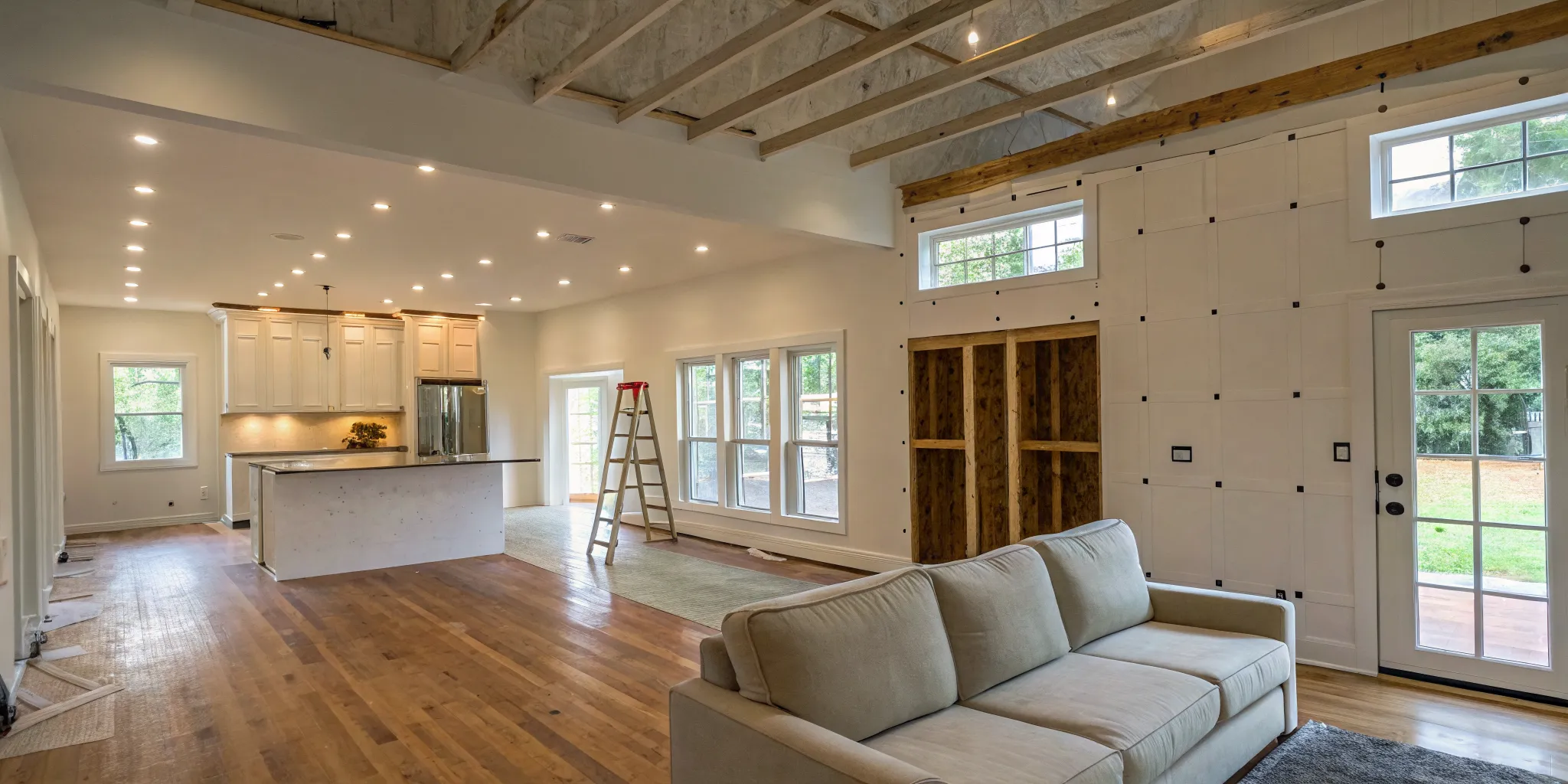
That feeling when you walk into your kitchen and sigh? We’ve all been there. Maybe your home felt perfect when you first moved in, but now the layout feels cramped, the bathroom is outdated, and you’re constantly dreaming of more functional space. This leads to the big question every homeowner eventually faces: should you move, or should you improve? A home renovation can be the perfect solution, allowing you to fall in love with your home all over again by tailoring it to your family’s current needs. This guide is designed to walk you through that decision, helping you understand the entire renovation process from initial planning and budgeting to choosing the right contractor for your Utah home.
Key Takeaways
- Plan thoroughly before you start: Your project's success is determined in the planning phase. Create a clear vision by defining your goals, separating needs from wants, and establishing a realistic budget with a 10-20% contingency fund for surprises.
- Vet your contractor like a business partner: Don't just hire the cheapest bid; find a true partner for your project. Confirm they are licensed and insured, speak with their past clients, and choose a team that offers a single point of contact for clear, consistent communication.
- Stick to the plan to protect your budget: Once construction starts, changes get expensive quickly. Finalize all your design and material choices beforehand and understand that steps like permitting and site prep are essential for a safe, successful outcome that stays on track.
What Is a Home Renovation?
Thinking about making some changes to your home? The term you’ll hear most often is "renovation." At its core, a home renovation is the process of improving or updating a part of your house. It’s about taking something that’s broken, outdated, or just not your style and making it better. This could mean restoring a room to its former glory or giving it a fresh, modern look.
Renovations can be driven by a need for safety, a desire for better energy efficiency, or simply the goal of making your home a more beautiful and functional place to live. From small cosmetic tweaks to more significant updates, a renovation focuses on renewing your existing space. Understanding what a renovation entails is the first step in planning a project that truly fits your goals and your home.
Renovation vs. Remodel: What's the Difference?
You’ve probably heard the words “renovation” and “remodel” used interchangeably, but they actually mean two different things. Knowing the difference can help you clarify your vision and communicate more effectively with your contractor.
Think of a renovation as a facelift for your home. It means “to restore or renew.” This involves updating surfaces, fixtures, and finishes without changing the fundamental layout of the space. Examples include painting walls, refinishing hardwood floors, refacing kitchen cabinets, or replacing old windows. The structure of the room stays the same; it just looks and feels new.
A remodel, on the other hand, means changing the form or structure of a room. This is a more intensive process that alters the layout. Knocking down a wall to create an open-concept living area, reconfiguring a kitchen’s footprint, or adding a new bathroom are all examples of a remodel.
Common Types of Renovation Projects
People decide to renovate for all sorts of reasons. Your motivation might be to fix something that’s broken, but often, it’s about aligning your home with your family’s current needs and personal tastes. A well-planned renovation can completely change how you feel about your home.
Common goals for renovation projects include:
- Updating aesthetics: You want your home to reflect your style, not the trends from decades ago.
- Improving functionality: Your kitchen layout might have made sense for the previous owners, but it doesn’t work for your family.
- Increasing home value: Strategic updates can provide a great return on investment if you plan to sell in the future.
- Boosting energy efficiency: New windows, doors, and insulation can lower your utility bills and make your home more comfortable.
You can see how these projects come to life by exploring a gallery of finished work for inspiration.
How Much Does a Renovation Cost in Utah?
This is often the first question on every homeowner's mind, and the honest answer is: it depends. A renovation in Utah can range from a few thousand dollars for a simple bathroom refresh to hundreds of thousands for a major home addition. The final price tag is a unique mix of your home's specific needs, your personal taste, and the scope of your project.
Studying local market rates for materials and labor is the first step to creating a realistic budget. Understanding the typical costs associated with different projects in areas along the Wasatch Front helps you plan effectively and avoid overextending your finances. While a general guide to building costs can provide a baseline, a renovation has its own set of variables. The size of the space, the quality of materials you choose, and the complexity of the work all play a significant role in determining your final investment.
What Affects Your Renovation Cost?
Several key factors will influence your total renovation cost. The most obvious is the project's scope and size; remodeling a small powder room will naturally cost less than a full kitchen overhaul. The materials you select are another major driver. For example, choosing custom cabinetry and quartz countertops will have a different budget impact than stock cabinets and laminate.
Beyond the visible choices, other elements can affect the price. Sometimes a small design change can create a ripple effect on labor and material needs. As work begins, we might discover hidden structural issues or outdated wiring that needs to be addressed for safety. It’s also important to remember the "little things," like costs for permits, sales tax, delivery charges, and post-project cleaning, which can add up.
Breaking Down Costs by Project
If you're working with a specific budget, you don't have to tackle everything at once. Consider breaking your renovation into phases. This approach allows you to focus on what's most important to you right now while planning for future updates. Start with projects that are the most urgent or offer the highest return on investment.
For many Utah homeowners, this means starting with a minor kitchen or bathroom renovation, as these updates can significantly increase a home's value and daily enjoyment. You can explore a project gallery to see what’s possible and get ideas for your own home. By phasing your projects, you can manage your budget more effectively and ensure each stage of the renovation is completed to the highest standard without financial pressure.
How to Budget for the Unexpected
No matter how carefully you plan, renovations can come with surprises. That’s why we always encourage homeowners to create some wiggle room in their budget. Setting aside a contingency fund of 10% to 20% of your total project cost is a smart way to prepare for the unexpected without derailing your plans.
This fund isn't for adding new features on a whim; it's a safety net for unforeseen issues, like discovering water damage behind a wall or needing to reroute plumbing. Having this buffer allows you to adapt as things come up, preventing financial strain and keeping the project moving forward smoothly. If you need help creating a detailed and realistic budget for your project, our team is here to guide you.
Plan Your Renovation: Where to Start
The most successful home renovations begin long before the first wall comes down. This initial planning phase is where you translate your daydreams into a concrete, actionable strategy. It’s your chance to set clear expectations, make smart decisions about your budget, and lay the groundwork for a smooth project. Taking the time to think through your goals, timeline, and who will do the work will save you from headaches and unexpected costs down the road. A well-thought-out plan is the single best tool you have for turning your vision into a reality you’ll love for years to come.
Define Your Goals and Priorities
Before you get lost in paint swatches and tile samples, take a step back and ask yourself: What is the main purpose of this renovation? Are you trying to fix something that’s broken, create more functional space for your family, or update an outdated style? Maybe your goal is to bring new life into an older home or increase its resale value. Write down your top three to five objectives. This list will become your guide, helping you make decisions throughout the process. For inspiration, it often helps to see what’s possible by looking through our gallery of completed projects.
Sorting Your Needs vs. Wants
Here’s where you get practical. Make two columns on a piece of paper: "Needs" and "Wants." A need is a must-have that addresses a core goal, like reconfiguring a cramped kitchen layout to improve workflow. A want is a feature you’d love to have if the budget allows, such as high-end appliances or custom cabinetry. This exercise helps you prioritize spending. If your budget gets tight, you’ll know exactly where you can make cuts without sacrificing the project's main purpose. Understanding these differences is key to creating a realistic budget, and our cost guide can help you see how different choices affect the bottom line.
Create a Realistic Timeline
A home renovation doesn’t happen overnight. It follows a series of predictable steps, including design, demolition, construction, and finishing. While every project is unique, understanding this general sequence helps you set a realistic timeline. Factor in time for initial planning, getting permits, and potential delays from weather or supply chain issues. A good contractor will provide a detailed schedule, but having your own grasp of the timeline helps you know what to expect and when. This foresight allows you to plan your life around the construction and keeps the project moving forward smoothly.
Hiring a Contractor vs. Going DIY
While tackling a project yourself can be tempting, it’s important to be honest about your skills and the scope of the work. For major changes involving structural work, plumbing, or electrical systems, Utah law often requires you to hire a licensed professional. Attempting these jobs yourself can lead to safety risks and costly mistakes. A professional contractor brings expertise, manages subcontractors, and creates a detailed, step-by-step plan for your project. If you’re unsure whether your project requires a pro, it’s always best to ask. We’re happy to discuss your ideas and help you understand the process, so feel free to get in touch with us.
What Does the Renovation Process Look Like?
A home renovation can feel like a huge undertaking, but it becomes much more manageable when you break it down into clear, predictable steps. It’s easy to get lost in a sea of inspiration photos and big ideas, but knowing the actual path from start to finish helps ground the project in reality. While every project has its own unique quirks, the overall journey from a simple idea to a beautifully finished space follows a structured path. Understanding this process helps you know what to expect, how to prepare, and when key decisions need to be made. It’s all about turning your vision into a reality, one step at a time.
Working with a hands-on builder simplifies everything. Instead of you juggling multiple contacts for designers, plumbers, and electricians, your contractor acts as the single point person, coordinating the entire project from the initial design to the final coat of paint. This integrated approach ensures a smoother workflow, consistent quality, and clear communication, which is essential for keeping your project on schedule and within budget. You can see how these careful steps lead to stunning transformations in our project gallery. The process generally unfolds in four main phases: design and permitting, demolition and preparation, building and installation, and the final finishing touches.
Step 1: Design and Permitting
This is where your dream starts taking shape on paper. The design phase is a collaborative effort to translate your vision into a detailed, actionable plan. We’ll work with you to define the project's scope, create blueprints, and select materials that fit your style and budget. This is the time to finalize layouts, from where walls will go to the placement of every outlet and light switch.
Once the design is set, we handle the permitting process. Securing the right permits from your local Utah municipality is a critical step that ensures your project is safe, sound, and compliant with all building codes. It’s a crucial piece of the puzzle that protects your investment and gives you peace of mind. If you're ready to start discussing your ideas, you can contact us to begin the design process.
Step 2: Demolition and Preparation
With a solid plan and permits in hand, it’s time for the physical work to begin. Demolition is the "out with the old" phase, where we carefully remove existing structures like walls, flooring, cabinets, and fixtures to create a clean slate for your new space. Our team works efficiently to contain dust and debris, preparing the area for its transformation.
This is also the stage where we might uncover hidden issues, like old wiring or unexpected structural challenges. An experienced contractor anticipates these possibilities and is prepared to address them head-on, keeping the project on track. Factoring potential surprises into your budget is always a smart move, which is why our cost guide can be a helpful resource as you plan.
Step 3: Building and Installation
This is the most exciting phase, where your vision truly starts to come to life. After demolition, our skilled craftspeople get to work on the "in with the new" stage. This includes framing new walls, running electrical and plumbing lines, hanging drywall, and installing insulation. It’s a period of dramatic progress as the empty space is rebuilt according to the design you approved.
This phase involves a lot of activity and coordination, from carpenters to electricians and plumbers, all working in sequence. Because we manage our own teams and even source our own lumber, we maintain tight control over quality and timelines. You’ll see your new kitchen, bathroom, or home addition take its final form, ready for the last details that will make it uniquely yours.
Step 4: Finishing Touches and Final Walkthrough
The final phase is all about the details that turn a construction site into a home. This is when we install flooring, paint the walls, and add cabinets, countertops, light fixtures, and hardware. Every element is put into place with precision, bringing warmth and personality to the space. Our focus is on craftsmanship, ensuring every finish is flawless.
Before we consider the job done, we’ll conduct a final walkthrough with you. This is your opportunity to inspect every detail and create a "punch list" of any minor adjustments needed. Our goal is your complete satisfaction. Once you sign off, the space is officially yours to enjoy. It’s the rewarding moment when you can finally step back and see your renovation dream fully realized.
Utah's Most Popular Home Renovations
If you live in Utah, you know that our homes are central to our lives. They’re where we gather with family after a day on the slopes, host neighborhood barbecues on long summer evenings, and find comfort from the elements. It’s no surprise that homeowners across the Wasatch Front are investing in their properties to make them more functional, beautiful, and suited to their lifestyles. Whether you’re in an older home that needs a modern touch or your family has simply outgrown your current layout, a renovation can completely transform your space.
From Salt Lake to Summit County, we see a few key projects pop up time and again. These renovations not only improve daily life but also add significant value to your property. Thinking about your own project? Let’s look at some of the most common renovations Utah homeowners are tackling and get your ideas flowing. You can see examples of these transformations in our project gallery to find inspiration for your own home.
Kitchen Renovations
The kitchen is the heart of the home, and for many Utah families, it’s the main hub of activity. That’s why kitchen remodels are one of the most popular home improvement projects. Many homeowners are moving away from cramped, closed-off kitchens and toward open, airy layouts with large islands that double as a place for meal prep and homework. Upgrading to modern, energy-efficient appliances and adding smart storage solutions can make a world of difference in your daily routine. With our own lumber mill, we can create custom cabinetry that perfectly fits your space and style, ensuring your new kitchen is as functional as it is beautiful.
Bathroom Renovations
A bathroom renovation is another highly sought-after project, as homeowners look to create spa-like retreats right in their own homes. Imagine unwinding after a long day in a deep soaking tub or starting your morning in a spacious walk-in shower with seamless glass doors. These projects often go beyond aesthetics, focusing on practical improvements like better lighting, efficient ventilation, and durable materials that can stand up to daily use. Whether you’re updating a small powder room or creating a luxurious master ensuite, a well-designed bathroom can become a personal sanctuary that adds both comfort and value to your home.
Home Additions and ADUs
As families grow and housing needs change, many Utahns are finding they simply need more room. Home additions and Accessory Dwelling Units (ADUs) are gaining popularity as a solution for multi-generational living or creating rental income opportunities. An ADU, sometimes called a mother-in-law suite or casita, can provide a private, independent living space for aging parents or adult children. A well-planned home addition can give you that much-needed primary suite, family room, or home office. These projects allow you to maximize your property’s potential without having to move. If you're considering a large-scale addition, we'd love to discuss your ideas.
Outdoor Living Spaces and Decks
Utah’s stunning landscape is one of the best parts of living here, so it makes sense that homeowners want to enjoy it as much as possible. Outdoor living spaces, including custom decks and patios, are a top priority for those looking to create functional and inviting areas for entertaining and relaxing. Imagine a covered deck where you can dine al fresco, a patio with a built-in fire pit for cool evenings, or an outdoor kitchen for summer barbecues. A thoughtfully designed outdoor space extends your home’s living area and provides the perfect setting for making memories while enjoying Utah’s natural beauty.
How to Choose the Right Utah Contractor
Choosing a contractor is the most important decision you’ll make for your renovation. The right partner will bring your vision to life, respect your budget, and make the process feel manageable. The wrong one can turn your dream project into a nightmare of delays and unexpected costs. Finding a builder you trust is key to a successful renovation. A great contractor acts as your partner, guiding you through every step with clear communication and expert craftsmanship. They should be someone whose work you admire and whose process you can depend on. Take your time with this decision, do your research, and trust your gut. It will pay off in the long run with a beautiful, well-built space you can enjoy for years to come.
Check Their Reputation, License, and Insurance
Before you fall in love with a contractor’s portfolio, do your homework. The first step is to confirm they are licensed and insured in Utah. This is a non-negotiable that protects you from liability and ensures they meet state standards. Next, look into their reputation. Ask for references from recent clients and take the time to call them. Ask about their experience with communication, timeliness, and budget management. You should also look at examples of their completed work to see if the quality matches your expectations. A reputable contractor will be proud to share their gallery of past projects and connect you with happy homeowners. This initial screening helps you build a shortlist of qualified, trustworthy professionals.
Why a Single Point of Contact Matters
A home renovation involves a lot of moving parts and many different specialists, from plumbers to electricians. When communication is scattered, it’s easy for details to get lost and for you to feel overwhelmed. That’s why having a single point of contact, like a dedicated project manager, is so valuable. This person is your go-to for every question, concern, and update. This streamlined approach simplifies project management and ensures everyone is on the same page. Clear, consistent communication prevents misunderstandings and helps build a strong, collaborative relationship with your builder. It reduces your stress and allows you to focus on the exciting parts of the renovation, knowing one person is managing the details.
Why Material Sourcing Matters More Than You Think
The materials used in your renovation determine its look, durability, and final cost. Choosing the wrong materials can lead to budget overruns or a finished product that doesn’t last. A great contractor will guide you through these choices, but it’s also important to understand how they source their materials. Some builders have direct relationships with suppliers or even operate their own facilities, like a lumber mill. This gives them greater control over quality and cost, which can be a huge advantage for your project. Discussing material sourcing upfront helps you understand how it will impact your renovation cost and the long-term value of your home.
Questions to Ask Before You Sign
Once you’ve narrowed down your options, it’s time for a detailed conversation before signing any contracts. Be prepared with a list of specific questions to make sure you and the contractor are fully aligned. How will they handle unexpected issues or changes to the plan? What is the projected timeline, and how will they communicate delays? Ask for a detailed breakdown of the costs so you understand exactly what you’re paying for. Being transparent about your budget and project scope from the start helps manage expectations. A professional contractor will welcome these questions and provide clear answers. When you feel confident and ready to move forward, you can reach out to officially begin the partnership.
Utah Renovation Permits: What You Need to Know
Let's talk about one of the least glamorous, but most important, parts of any renovation: permits. While it might seem like bureaucratic red tape, securing the right permits is a non-negotiable step that protects your home, your family, and your investment. Think of it as a seal of approval that ensures all work is done safely and to a professional standard. A great contractor will handle this for you, but it’s still smart to understand what’s happening behind the scenes.
When Do You Need a Permit?
In Utah, you’ll need a permit for more than just building a new house. Most projects that alter your home's structure or major systems require one. This is to make sure everything is built to code, which keeps you safe. Generally, you should plan on getting a permit for major renovations involving structural changes like moving a wall, significant electrical or plumbing work, and HVAC system upgrades.
Other common projects that need a permit include building home additions, garages, and accessory dwelling units (ADUs). Even some outdoor projects or system installations, like putting in a new water heater or solar panels, will require you to get the proper building permits. When in doubt, it's always best to assume you need one.
What Happens If You Skip the Permit?
Skipping the permit process might seem like a tempting way to save time and money, but it almost always backfires. If the city discovers unpermitted work, they can issue a stop-work order, levy hefty fines, and even require you to tear out finished work. Imagine having to rip out your brand-new kitchen cabinets and drywall just so an inspector can see the wiring behind them. It’s a costly, stressful, and entirely avoidable headache.
Beyond the financial risk, unpermitted work can be a serious safety hazard. Building codes exist for a reason, and work that hasn't been inspected may not be structurally sound or safe. This can also create major problems when you decide to sell your home down the road. Working with an experienced contractor ensures all the necessary paperwork is filed correctly, so you can have peace of mind knowing your project is built to last. If you have questions about your project, we're always here to help.
How Utah's Climate Affects Your Timeline
Utah’s unique landscape and four distinct seasons can play a role in your renovation timeline, starting with the permitting process. For example, if your property is on a steep grade, which is common along the Wasatch Front, your local building department may require a special geotechnical report before issuing a permit. This adds an extra step to your pre-construction phase.
The weather itself is another major factor. While indoor work can continue year-round, projects involving excavation, concrete foundations, or exterior finishing can be delayed by heavy snow or frozen ground in the winter. It’s important to factor these potential seasonal delays into your timeline. A contractor with deep local experience will know how to plan around Utah's climate and anticipate specific county requirements to keep your project moving forward as smoothly as possible.
Keeping Your Home Safe and Healthy During a Renovation
Living in your home while it’s under construction can be a balancing act. A successful renovation isn't just about the final result; it's also about making the process as smooth and safe as possible for your family. A professional contractor will have a plan to protect your home and your health, but knowing what to expect can help you prepare. From managing dust to minimizing daily disruptions, a little planning goes a long way in keeping your home a healthy and happy place throughout the project.
At Red Rooster, we treat your home with the same care we’d treat our own. We believe a clean and organized worksite is a safe worksite, and we take steps to contain our work area and protect your family from start to finish. We’ll work with you to create a plan that keeps your household running smoothly while we transform your space.
Manage Dust, Debris, and Air Quality
Let’s be honest: renovations can get messy. Sawdust, drywall particles, and fumes from paints or adhesives are an unavoidable part of the process. These airborne particles can affect your home’s indoor air quality and create a layer of grime everywhere. A good contractor knows that managing this mess is key to a safe project. We use strategies like sealing off the work area with plastic barriers, using tools with attached vacuums to capture dust at the source, and ensuring proper ventilation to keep the air in your living spaces clean. We also handle all debris removal, so you aren’t left with a pile of construction waste when the job is done.
Choose Sustainable and Eco-Friendly Materials
A renovation is a great opportunity to make choices that are better for both your family and the environment. Opting for sustainable materials, like wood sourced from responsibly managed forests, can reduce your project's carbon footprint. Since we operate our own lumber mill, we have direct control over the quality and sourcing of the wood we use in our projects. This allows us to prioritize high-quality, durable materials that will stand the test of time. Choosing low-VOC (volatile organic compound) paints and finishes also helps maintain healthy air quality long after the renovation is complete, protecting your family from lingering chemicals.
Smart Home Upgrades to Consider
While the walls are open, think about making a few smart upgrades that can improve your home’s safety and efficiency. This could be as simple as replacing an old front door with a more secure, energy-efficient model to improve curb appeal and lower your heating bills. You might also consider upgrading insulation, installing energy-efficient windows, or adding smart home technology like thermostats and lighting. These small additions can make a big difference in your daily comfort and can even add to your home’s long-term value. You can see examples of these thoughtful details in our project gallery.
Minimize Disruption to Your Family
Living through a renovation requires patience and flexibility. To keep daily life as normal as possible, it helps to establish clear boundaries and communication with your construction team. We work with you to set a predictable schedule and designate a "safe zone" in your home that remains free of construction. It’s also wise to build a small cushion into your budget for unexpected discoveries, like hidden structural issues, which can prevent stress down the line. Having a single point of contact to address your questions and concerns ensures that you always know what’s happening and what to expect next. If you’re ready to discuss your project, get in touch with our team.
Common Renovation Mistakes to Avoid
A home renovation is one of the most rewarding projects you can take on, but it’s also a major investment of your time and money. While it’s easy to get swept up in the excitement of design boards and new finishes, a smooth project depends on avoiding a few common pitfalls. Knowing what to watch out for ahead of time can save you from budget overruns, frustrating delays, and a whole lot of stress.
From setting an unrealistic budget to choosing a builder who isn’t the right fit, these missteps can turn your dream project into a headache. The good news is that they are almost entirely preventable with a bit of foresight and planning. By understanding where things can go wrong, you can take proactive steps to keep your renovation on track and ensure the final result is exactly what you envisioned. Let’s walk through the four biggest mistakes homeowners make and how you can steer clear of them.
Underestimating Your Budget
This is the number one mistake we see. It’s easy to focus on the exciting parts, like new cabinets or flooring, but a realistic budget must account for everything, including labor, permits, and materials. A great first step is to set a firm ceiling on what you’re willing to spend. More importantly, you should always include a contingency fund of at least 10-20% of your total budget. This isn’t for splurging on upgrades; it’s a safety net for the unexpected, like discovering old wiring that needs replacing once the walls are open. A detailed cost guide can help you understand the factors that influence your total investment and plan accordingly.
Making Last-Minute Changes
Indecision during the planning phase often leads to expensive changes once construction is underway. While it might seem small to swap a tile choice or move a light fixture, these adjustments can have a domino effect, causing delays and driving up costs. The best way to prevent this is to finalize every detail before the work begins. Spend extra time in the design phase confirming your layout, materials, finishes, and fixtures. Once the plan is complete, do your best to stick with it. This discipline will protect your budget and timeline, ensuring a much smoother process for you and your building team.
Communicating Poorly With Your Contractor
Your contractor is your most important partner in this process, and clear, consistent communication is the foundation of a great relationship. Don’t be afraid to ask questions or voice concerns. A professional builder wants you to be informed and confident in the work being done. We believe that open, honest communication is key to keeping the project flowing in a healthy direction. Establish a regular check-in schedule, whether it’s a weekly call or an on-site meeting, to discuss progress and address any issues that arise. If you have a question, don’t hesitate to contact your builder; it’s always better to clarify things early.
Choosing the Wrong Contractor for the Job
Not all contractors are created equal, and choosing the wrong one can jeopardize your entire project. Don’t just go with the lowest bid. Instead, look for a builder with a strong reputation, proper licensing and insurance, and a portfolio of work that aligns with your vision. Be sure to interview a few candidates and always check their references. Ask them about their process, how they handle challenges, and their communication style. A quality contractor will be transparent about their methods, including how they source materials and manage their team. Taking the time to find the right partner is the single most important step toward a successful renovation you’ll love for years to come.
Should You Renovate or Sell?
It’s a question almost every homeowner asks at some point: should we stay and improve, or is it time to pack up and move? Deciding whether to sell your house or invest in a renovation is a huge decision with financial and emotional weight. You might love your neighborhood and your neighbors, but feel like your home’s layout just doesn’t work for your family anymore. Or maybe you’re wondering if putting money into your current property is a better investment than starting fresh somewhere new.
The right answer depends entirely on your goals, your budget, and your connection to your current home. If your house has good bones and is in a location you love, a renovation can transform it into the perfect space while building equity. Let’s look at the signs that point toward renovating and when it makes the most financial sense.
Signs It's Time to Renovate Your Home
A home renovation is about more than just a fresh coat of paint; it’s about making a space better, whether that means fixing something broken or completely bringing an old design back to life. If you find yourself constantly complaining about the same things, it might be time to act. Maybe your kitchen is too cramped for family gatherings, your single bathroom is a source of morning chaos, or the finishes just feel dated. These are all clear signs that your home is no longer meeting your needs. A well-planned renovation can solve these functional problems and increase your home’s value, which is a major plus if you ever decide to sell down the road.
When Renovating Is the Smarter Financial Move
Moving is expensive. Between realtor commissions, closing costs, and moving expenses, you can spend tens of thousands of dollars before you even start making changes to a new house. Renovating your current home allows you to put that money directly into your property, creating a space tailored to you. For many homeowners, renovations can significantly increase their value, making it a sound financial investment. Plus, updating an existing structure is often more sustainable than tearing it down. The key is careful planning. Understanding the potential expenses is the first step, and our Utah renovation cost guide can help you create a realistic budget to achieve your goals without financial strain.
Related Articles
- Cost to Build a House in Utah: 2024 Guide
- Gallery of Finished Work
- Building Permits | South Salt Lake City
- Building | Summit County, UT
- Renovation - Wikipedia
Frequently Asked Questions
How long will my renovation actually take? The honest answer is that every project has its own timeline. A simple bathroom update might take a few weeks, while a full kitchen overhaul could take a couple of months. Larger projects like home additions will naturally take longer. The final schedule depends on the scope of your project, the time it takes to secure permits, and the availability of your chosen materials. A good contractor will give you a detailed, realistic timeline before any work begins so you know exactly what to expect.
Can I stay in my home while you renovate? For many projects, yes, you can absolutely stay in your home. If we are working on a single bathroom or an outdoor deck, the disruption is usually minimal. For larger projects that affect central living areas, like a kitchen, it can get tricky. We work hard to contain the work area and keep your home clean and safe, but some families find it easier to stay elsewhere during the most intensive phases. We can discuss the specifics of your project and help you create a plan that works best for your family.
What's the real difference between a renovation and a remodel? Think of it this way: a renovation is like giving a room a great new outfit, while a remodel changes its bone structure. A renovation focuses on updating and restoring what’s already there, like painting, installing new countertops, or refinishing floors. The layout of the room doesn't change. A remodel, however, alters the space's function or form, which could mean moving walls to create an open floor plan or reconfiguring the entire footprint of a kitchen.
Why is a contingency fund so important? A contingency fund is your project’s financial safety net. It’s not for adding extra features; it’s for handling the surprises that can hide inside walls. Older homes can have outdated wiring or plumbing that needs to be brought up to code, or we might discover water damage once we open up a space. Having a fund set aside (typically 10% to 20% of the project cost) means these discoveries won't cause financial stress or derail your project. It’s the best tool for ensuring a smooth process.
How do I know if my project needs a permit? A good rule of thumb is that if your project involves changing your home's structure or its major systems like electrical, plumbing, or HVAC, you will need a permit. Cosmetic updates like painting, installing new carpet, or replacing a light fixture typically do not. The permit process ensures all work is done safely and meets local building codes. Don't worry about navigating this yourself; a professional contractor will handle all the necessary paperwork for you.
Planning a project in Utah?
Talk with Red Rooster Construction about your build, remodel, or outdoor space.
Request a Quote