
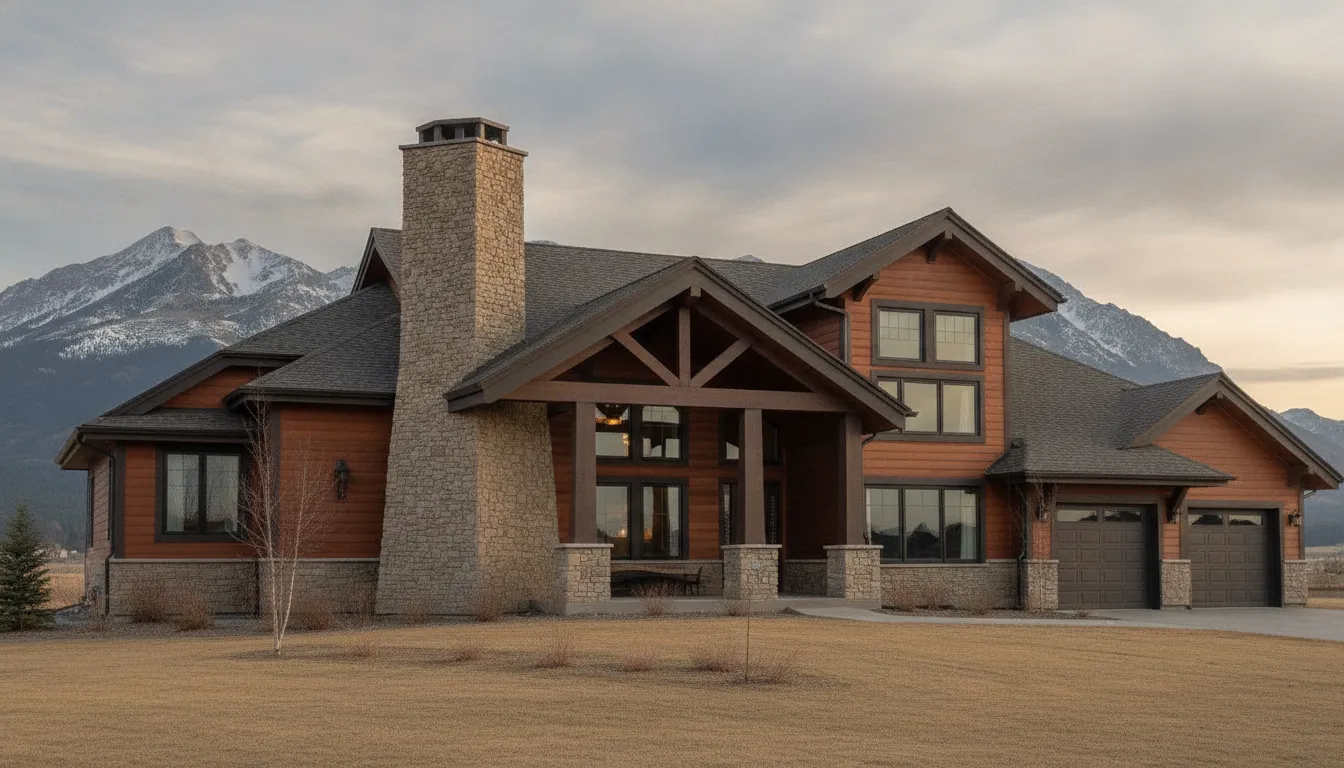
When you decide to build a home, you'll quickly realize that not all builders are the same. Some function as general contractors, coordinating a long list of independent subcontractors. Others, however, offer a more hands-on, integrated approach. Understanding this difference is key to finding the right fit for your project. A true custom house builder does more than just follow a blueprint; they become your creative partner. They help you refine your ideas, make smart decisions about materials, and offer the flexibility to create a space that is uniquely yours. This guide will help you understand what to look for in a builder who provides that level of control and craftsmanship.
Key Takeaways
- Do your homework before committing: A great partnership starts with research. Verify your builder's Utah license and insurance, review their past projects, and ask to speak with their last few clients to get an honest look at their work.
- Establish a realistic budget from the start: Look beyond the base price and plan for the total cost, which includes land prep, permits, and finishes. A quality builder focuses on long-term value, and having a contingency fund gives you flexibility for changes.
- Set the stage for a strong partnership: Your first meeting is crucial. Walk in with a clear budget, a collection of inspiration photos, and a list of questions to ensure you and your builder are aligned on vision, communication, and expectations from day one.
What Does a House Builder Do?
So, you're thinking about building a home. It's an exciting prospect, but it also brings up a big question: what does a house builder actually do? It’s easy to picture someone in a hard hat on a construction site, but their role is so much bigger. A builder is your project manager, your main point of contact, and the expert who turns a set of blueprints into your future home. They coordinate everything from the foundation to the final coat of paint, managing schedules, budgets, and a whole team of skilled tradespeople. Understanding their full scope of work is the first step in finding the right partner for your project. Depending on the builder you choose, their approach can vary, especially when it comes to how much input you have in the design.
Custom Builds vs. Pre-Designed Plans
Many people think of home building in two ways: picking a pre-designed plan from a catalog or starting completely from scratch. While production builders often offer a set of floor plans with limited changes, a custom builder offers true flexibility. "Custom" means exactly what it sounds like. If you find a plan you mostly love but want to move a wall, add a room, or redesign the kitchen, you can. If you have a unique vision, a custom builder can help you bring it to life. The process is meticulous and collaborative, letting you see your ideas take shape in our past projects before construction even begins.
What Else Do Builders Offer?
Beyond the construction itself, a great builder acts as your trusted guide. Homeowners consistently say that what they value most are trust, clear communication, and accurate timelines. A reliable builder provides consistent updates and welcomes your feedback throughout the entire process. Construction projects can have unexpected hiccups, like supply shortages or weather delays. Your builder’s job is to manage these issues, find solutions, and keep you informed every step of the way. This open line of communication is the foundation of a successful project and ensures you feel confident and involved from start to finish. It’s about building a relationship, not just a house.
Build or Buy: What's Right for You?
Deciding between building a custom home and buying an existing one is one of the biggest choices you’ll make. There’s no single right answer, as the best path depends entirely on your priorities, budget, and vision for the future. Are you looking for a move-in-ready solution in an established area, or do you dream of a space designed specifically for your family’s lifestyle? Let’s walk through the advantages of each option to help you find clarity.
The Perks of Building a New Home
The biggest advantage of building is simple: total customization. You get to make the decisions, from the overall floor plan to the style of the cabinet hardware. If you want to move a wall, add a window for more natural light, or design a kitchen from scratch, you can. This means your home will be a true reflection of your personality and needs.
Beyond aesthetics, building new allows you to incorporate modern home building trends right from the start. Think dedicated home offices, energy-efficient systems, and seamless indoor-outdoor living with custom decks or patios. You also have complete control over the quality of materials and craftsmanship by selecting a builder whose standards align with yours. You can review their past work and ensure every detail meets your expectations, resulting in a home that’s built to last.
The Perks of Buying an Existing Home
The primary appeal of buying an existing home is convenience. The process is typically faster, and you can move into a home in a matter of months, not a year or more. This option also gives you access to established neighborhoods with mature trees, developed communities, and a character that can only come with time. You know exactly what you’re getting, from the neighbors to the local school district.
Financially, buying can feel more straightforward. The price is set, which can offer peace of mind and eliminate the variables of a construction budget. You also sidestep the complexities of the building process, like securing permits and managing contractors. For some, the difficulty of finding trustworthy professionals for a build or major renovation makes a turnkey, existing home the more attractive choice. You can see the finished product upfront and decide if it’s the right fit without envisioning it from a blueprint.
How Much Does It Cost to Build a House in Utah?
"How much will my new home cost?" is usually the first question on everyone's mind, and for good reason. Building a home is a major investment, and you need a clear picture of the budget before you break ground. While the final number depends on your specific vision, we can break down the typical costs in Utah to give you a solid starting point for your financial planning. Think of this as your roadmap to understanding where your money goes during the building process.
Average Cost Per Square Foot
Let's talk numbers. In Utah, the average cost to build a home generally falls between $180 and $600 per square foot. That's a big range, so let's narrow it down. A more standard, builder-grade home usually lands in the $180 to $280 per square foot range. If you're dreaming of a fully custom home with high-end finishes and unique architectural details, you'll likely be looking at $280 to $600 per square foot. This means the total cost for the house itself, not including land, often averages between $400,000 and $900,000. For a more detailed breakdown, you can explore our cost to build a house in Utah guide.
What Affects the Final Price
The cost per square foot is a great starting point, but several key factors will shape your final budget. The biggest drivers are your home's location, size, and overall design complexity. Building in a dense urban area like Salt Lake City often costs more than building in a rural community. Beyond that, the materials and finishes you select play a huge role. Think custom cabinetry versus stock options, or imported tile versus standard vinyl. Every choice, from the light fixtures to the faucets, influences the bottom line. This is where working with a builder who has direct control over sourcing can make a real difference in managing costs without sacrificing quality.
Common 'Hidden' Costs to Budget For
When you're focused on floor plans and finishes, it's easy to overlook the costs that happen outside the walls of your home. These so-called 'hidden' costs aren't really hidden; they just aren't part of the house structure itself. We're talking about things like building permits, land excavation, utility hookups for water and power, and landscaping. You'll also need to budget for a driveway and any outdoor patios or decks. Factoring these expenses into your initial budget is crucial for avoiding surprises down the road. A good builder will walk you through these line items so you have a complete financial picture from the start.
Understanding Change Orders and Contingency Funds
Even with the most detailed plan, changes can happen. A change order is simply a formal adjustment to the original plan, whether it's moving a wall or deciding on different countertops mid-build. While we always aim to get it perfect from the start, it's smart to be prepared for shifts in the plan. That's where a contingency fund comes in. This is a portion of your budget, typically 10% to 20%, set aside specifically for unexpected costs or change orders. Having this fund in place gives you the flexibility to make adjustments without derailing your budget, ensuring a much smoother and less stressful building process.
How to Choose the Right House Builder
Choosing a house builder is one of the most significant decisions you'll make in your home-building journey. This isn't just about hiring a contractor; it's about finding a partner who will bring your vision to life. The right builder will not only deliver a high-quality home but also make the process feel collaborative and transparent. A great partnership is built on trust, clear communication, and shared expectations from the very first conversation.
So, how do you find "the one"? It comes down to doing your homework. You'll want to look into their professional background, their experience building in your area, and how they manage their projects. It’s also crucial to get a feel for their communication style and, of course, see the quality of their previous work. Taking the time to carefully evaluate these areas will help you find a builder you can trust to create the home you’ve always wanted, ensuring the journey is as rewarding as the destination.
Verify Their Credentials
Before you get too far down the road with any builder, it’s essential to check their credentials. Think of this as a basic background check that protects you and your investment. A reputable builder will have no problem sharing their licensing and insurance information with you. You'll want to confirm they have a current contractor's license in Utah and carry both general liability insurance and workers' compensation. These aren't just formalities; they ensure that you are protected from liability in case of accidents or property damage during construction. You can verify a contractor's license through the state's official portal, giving you peace of mind that you're working with a legitimate professional.
Look for Local Experience
A builder with deep roots in Utah, especially along the Wasatch Front, brings invaluable expertise to your project. They understand the specific challenges and opportunities of building here, from handling local zoning laws and permitting processes in counties like Salt Lake and Summit to designing homes that can handle our unique climate. A local builder has established relationships with reliable subcontractors and suppliers in the area, which helps keep your project running smoothly. They know the terrain, the soil conditions, and the building codes inside and out, ensuring your home isn't just beautiful but also built to last in its environment. This local knowledge is a huge asset that can save you time, money, and headaches.
Who's in Control of Your Build?
It’s important to understand how a builder manages their projects. Many builders act as general contractors, coordinating a long list of independent subcontractors for every phase of the build. While this is a common approach, it can sometimes lead to communication gaps or delays. On the other hand, a builder who maintains more direct control over the process can offer a more streamlined experience. For example, a team that handles key parts of the build in-house or directly sources its own materials has a tighter grip on quality, timelines, and costs. This hands-on approach often means fewer surprises and a single, clear point of contact for you.
Evaluate Their Communication Style
Clear communication is the foundation of a successful building partnership. From your very first meeting, pay attention to how the builder interacts with you. Do they listen carefully to your ideas and concerns? Do they explain complex building topics in a way that’s easy to understand? A reliable builder will be transparent, provide consistent updates, and welcome your feedback throughout the process. You should feel like you have a guide who is helping you make informed decisions, not a salesperson pushing an agenda. Don't be afraid to start a conversation early on to see if their communication style is a good fit for you.
Review Their Past Projects
A builder’s portfolio is a great starting point, but you should dig a little deeper. While browsing a gallery can show you their design style and the scope of their work, talking to past clients gives you the real story. Don't just ask for a list of their happiest customers. Instead, ask to speak with their last three clients to get a more balanced perspective. Ask these homeowners about their experience with communication, budgeting, and timelines. Find out how the builder handled unexpected issues when they arose. Hearing directly from previous clients is one of the best ways to gauge whether a builder delivers on their promises.
Mistakes to Avoid When Hiring a Builder
Choosing a builder is one of the most significant decisions you'll make in your home-building journey. It’s a long-term partnership, and the right choice can make the process smooth and exciting, while the wrong one can lead to headaches and budget overruns. It’s easy to get swept up in the excitement, but taking a moment to be deliberate and watch out for common pitfalls will pay off in the long run. By being aware of a few key mistakes, you can confidently select a partner who will bring your vision to life with skill and integrity. Let’s walk through some of the most common missteps homeowners make and how you can steer clear of them.
Don't Choose Based on Price Alone
While your budget is a critical piece of the puzzle, selecting a builder simply because they offer the lowest bid can be a recipe for disaster. An unusually low price often signals a compromise somewhere else, whether it's in the quality of materials, the skill of the subcontractors, or the thoroughness of their project management. Instead of focusing only on the bottom line, think in terms of value. A quality builder provides a balance of excellent craftsmanship, transparent communication, and accountability. They can explain exactly where your money is going and help you understand the long-term benefits of investing in quality upfront. A detailed cost guide can help you set realistic expectations for what a quality build truly entails.
Always Check References and Reviews
Doing your homework on a builder is non-negotiable. Don't just take their word for it; verify their reputation by speaking with past clients. When you ask for references, try this pro tip: instead of letting them handpick their happiest customers, ask to speak with their last three clients. This gives you a more accurate, real-time picture of their current work quality, communication style, and ability to stick to a schedule. You should also look through their online reviews and spend time examining their past work. A builder who is proud of their craftsmanship will have an extensive project gallery for you to review.
Read Your Contract Carefully
Your contract is the single most important document in your home-building project. It should clearly outline every detail, including the full scope of work, a projected timeline, the payment schedule, and the process for handling any changes. Before you sign, make sure you understand everything in it. Pay close attention to who is responsible for pulling permits and ensuring the project complies with local building codes. A professional builder will manage these details, but the responsibility should be clearly defined in writing. If anything feels vague or confusing, ask for clarification. A trustworthy partner will be happy to walk you through it until you feel completely comfortable.
Trust Your Gut: Don't Ignore Red Flags
Sometimes, you just get a feeling about someone. Trust it. If a builder is difficult to communicate with, dismisses your questions, or pressures you to make a quick decision, consider these major red flags. You are about to enter a significant partnership that will last for months, if not longer. You need to feel that your builder is an approachable, respectful, and reliable partner. From your very first conversation, they should make you feel heard and valued. If your intuition is telling you something is off, it’s better to walk away and find a team you can truly connect with and trust to handle your dream home.
Preparing for Your First Meeting With a Builder
That first meeting with a potential builder is a big deal. It’s your chance to share your vision, ask important questions, and get a feel for whether they’re the right partner for your project. Walking in prepared can make all the difference, turning what could be an intimidating conversation into an exciting and productive one. Think of it less as an interview and more as the beginning of a collaboration.
When you come to the table with a clear idea of your budget, style, and expectations, you empower the builder to give you more accurate feedback, a realistic timeline, and a better initial estimate. It helps ensure everyone is on the same page from the very beginning. This initial groundwork is key to building a strong relationship with your builder and setting your project up for success. The following steps will help you get organized so you can walk into that first meeting with confidence.
Define Your Budget and Priorities
Talking about money is often the trickiest part, but it’s the most critical place to start. Before you meet with a builder, you need to have a realistic budget in mind. This number will guide every decision you make, from the size of your home to the finish on your kitchen cabinets. To get a clearer picture, you can review our cost guide for building in Utah.
While it’s tempting to go with the lowest bid, remember that price isn’t everything. A low offer may signal compromises in materials, craftsmanship, or project management that could cause headaches later. It’s better to have an honest conversation about what you can afford and prioritize where you want to invest. Decide on your non-negotiables versus your "nice-to-haves" so your builder knows what matters most to you.
Gather Your Inspiration and Ideas
Now for the fun part: dreaming up your perfect space. Before your meeting, spend some time gathering inspiration that reflects your personal style. Create a Pinterest board, tear pages out of magazines, or save photos of homes you admire. The more visual aids you can provide, the better your builder will understand your aesthetic. You can even browse our project gallery to see what’s possible.
Don’t be shy about sharing your ideas. A good custom builder wants to know what you envision for your home. As one expert notes, you should "talk to your builder about the things you want in your home and the changes you'd like to make." You might be surprised by how many of your ideas can be incorporated into the design, so bring your full wish list to the conversation.
Key Questions to Ask Your Builder
Your first meeting is a two-way street. While you’re sharing your vision, you should also be evaluating if the builder is the right fit for you. A reliable builder will be transparent and welcome your questions. Come prepared with a list of things you want to know.
Here are a few key questions to get you started:
- Who will be my main point of contact, and how often will we communicate?
- How do you handle project changes or unexpected issues?
- Can you explain how you ensure the quality of materials and craftsmanship?
- How do you manage the project timeline and budget?
- Can I speak with a few of your past clients?
Their answers will reveal a lot about their process, communication style, and commitment to quality.
What to Look For in Your Contract
If the initial meetings go well and you decide to move forward, the next step is the contract. This document is the blueprint for your entire project, so it’s essential to review it carefully. A thorough contract protects both you and the builder by clearly defining expectations for everyone involved. It should go far beyond just the final price.
Look for a detailed scope of work, a projected timeline with key milestones, and a clear payment schedule. The contract should also specify who is responsible for pulling permits and ensuring all work complies with local regulations. According to industry professionals, it's vital to "clarify who is responsible for submitting applications early." A strong contract is a sign of a professional and organized builder. If you're ready to discuss your project, feel free to contact us.
Finding a Top Builder on the Wasatch Front
Choosing a builder is one of the most significant decisions you'll make for your project. The right partner can make the entire process feel collaborative and exciting, while the wrong one can turn your dream into a headache. Here in Utah, from Salt Lake to Summit County, you have many options. The key is knowing what to look for to find a true craftsman who aligns with your vision.
Our Approach at Red Rooster Construction
We believe building a home should be a positive, streamlined experience. As a focused team, we handle most of the work in-house, which gives us incredible control over quality and timelines. We simplify the process by giving you a dedicated point of contact from start to finish. This way, you always know who to call with a question, and nothing gets lost in translation between different departments.
We’ve learned that open, honest communication is the bedrock of a healthy partnership. Our clients often tell us they appreciate our professionalism and the pride we take in our work, and that all comes down to keeping you in the loop. We’re here to guide you, answer your questions, and make sure the final result is exactly what you envisioned.
What Sets a Quality Utah Builder Apart
As you meet with potential builders, there are a few key things that separate the great from the good. First, always verify their credentials. A reputable builder will readily provide proof of proper licensing and insurance. Before you even think about signing a contract, it’s also essential to review their past projects to see if their quality and style match your expectations.
Next, pay close attention to their communication style. Misunderstandings about timelines, materials, or design choices often stem from poor communication. Finally, be cautious about choosing a builder based on price alone. While it's tempting to go with the lowest number, a cheap bid can signal compromises in materials or craftsmanship, ultimately affecting your final cost to build. A quality builder is transparent about costs and focuses on delivering lasting value.
Related Articles
- Cost to Build a House in Utah — Red Rooster
- Red Rooster Construction — Utah's Hands-On Home Builder
- Project Gallery — Red Rooster Construction
- Contact — Red Rooster Construction
Frequently Asked Questions
What’s the very first step I should take if I’m thinking about building a home? Before you even start looking at floor plans, the best first step is to get a clear picture of your finances. Figure out what you can comfortably afford and what your total budget will be. Once you have that number, you can move on to the fun part: gathering inspiration. Start a collection of images and ideas that reflect the style and function you want for your home. Having both your budget and your vision defined will make your first conversation with a builder incredibly productive.
How can I keep my project from going way over budget? This is a huge concern for almost everyone, and the best defense is a good plan. A detailed contract that outlines all costs is your most important tool. You should also establish a contingency fund, which is typically 10% to 20% of your total budget set aside for unexpected costs or changes you decide to make. Most importantly, choose a builder who is committed to transparent communication about finances, so you always know where your money is going and can make informed decisions along the way.
How much involvement will I have after construction begins? With a custom build, you should feel like a key part of the team throughout the entire process. While it’s best to finalize decisions before construction starts, a good builder will have a clear process for handling any changes you want to make, often called change orders. Your main role will be to stay in communication with your project manager, ask questions, and provide feedback. A great builder wants you to be involved and happy with the progress, so you should expect regular updates and site visits.
Is it really a mistake to choose the builder with the lowest price? While it’s tempting to go with the lowest bid, it can often lead to problems down the road. An unusually low price might mean the builder is using lower-quality materials, hiring less-skilled labor, or cutting corners on project management. Instead of focusing only on the initial price, think about overall value. A quality builder might have a higher initial cost, but they provide better craftsmanship, a smoother process, and a home that’s built to last, which can save you money and stress in the long run.
Why is it so important to hire a builder with local Utah experience? Hiring a builder who knows the Wasatch Front is a huge advantage. They understand the specific challenges of our region, from the soil conditions to the heavy snow loads our roofs need to handle. A local builder also has established relationships with city inspectors and reliable local suppliers, which helps your project run smoothly and avoid delays. Their familiarity with local building codes and permit processes in counties like Salt Lake, Summit, and Weber is practical knowledge that saves you time and ensures your home is built correctly for our environment.
Planning a project in Utah?
Talk with Red Rooster Construction about your build, remodel, or outdoor space.
Request a Quote