
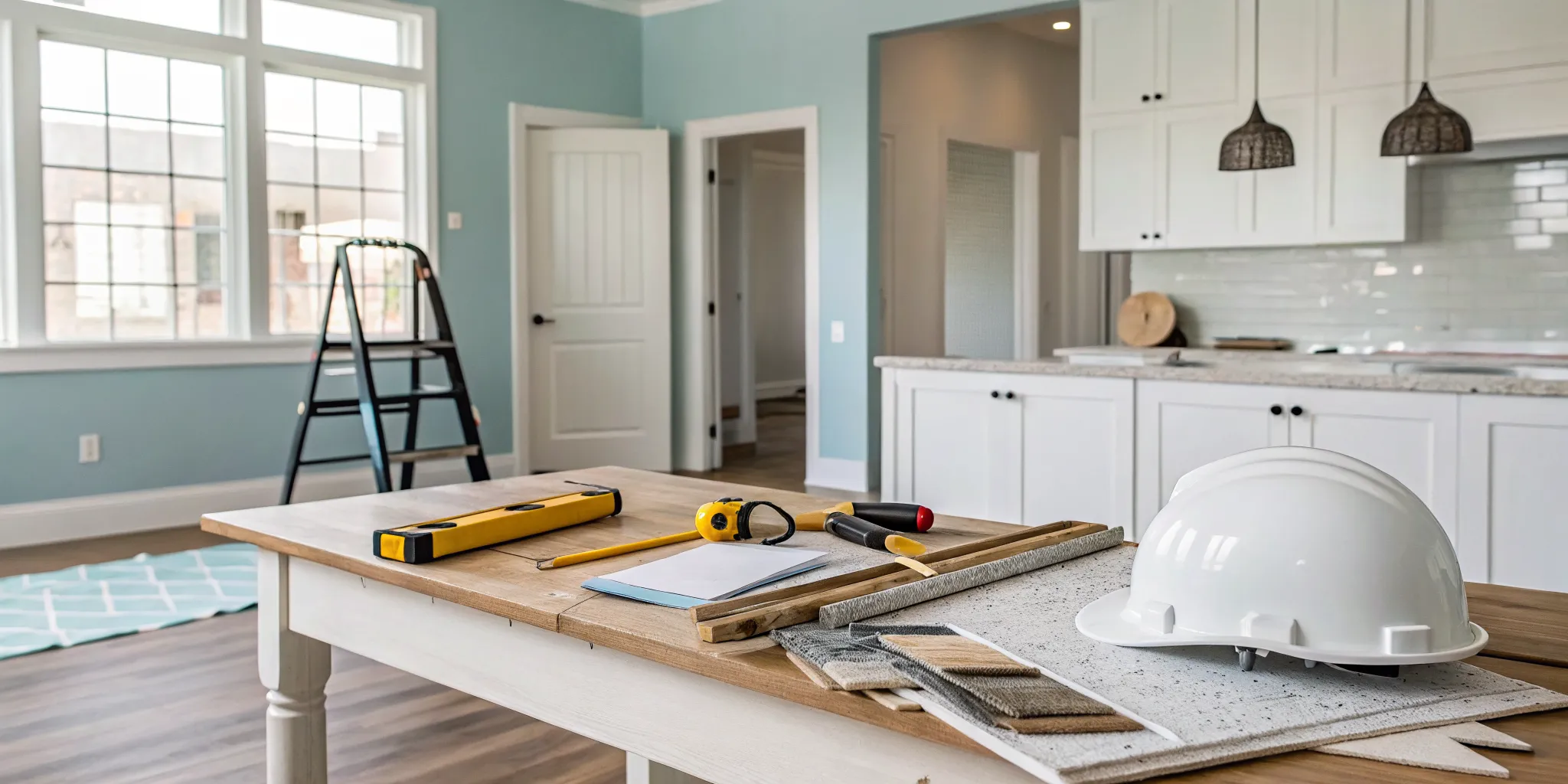
Your home is your basecamp for everything life in Utah has to offer, and making it work perfectly for your family is key. Whether you’re thinking about updating a classic home in Salt Lake or adding a deck to enjoy the Wasatch views, a remodeling project can transform how you live. But where do you start? This guide is designed for Utah homeowners like you. We’ll cover everything from local cost considerations and planning your project to finding a contractor who understands quality construction. Let’s explore how a thoughtful remodel can make your home even better.
Key Takeaways
- A Great Plan is Your Best Tool: Before starting, create a detailed blueprint for your project. Finalize your design, choose your materials, and set a firm budget that includes a 15% to 20% contingency fund for any surprises.
- Know the Difference Between a Remodel and a Renovation: A remodel changes a room's layout or purpose, making it more complex than a simple renovation. Understanding the steps involved, from permits to final paint, helps you set a realistic timeline and prepare for the process.
- Vet Your Contractor Carefully: Your contractor is your project's most important partner. Always verify their license and insurance, check references, and review their past work. Remember that finding a trustworthy professional you connect with is far more valuable than just choosing the cheapest option.
What Is a Home Remodel?
Thinking about changing up your living space? You’ve probably heard the term “remodel” thrown around, but what does it actually mean? A home remodel is all about transforming your home to better suit your lifestyle. It’s more than just a cosmetic touch-up; it involves changing the structure or function of a room. This could be as simple as reconfiguring a clumsy kitchen layout or as big as adding a brand-new master suite. The goal is to make your home work better for you.
Remodeling vs. Renovation: What's the Difference?
You’ll often hear these two words used interchangeably, but they mean different things. A renovation is about restoring or repairing a space. Think of it as giving a room a facelift: a fresh coat of paint, new flooring, or refacing your kitchen cabinets. You’re updating the look, but the room’s purpose and layout stay the same. A remodel, on the other hand, changes the character or structure of a space. This is where you start moving walls, altering layouts, or adding new features. Turning two small bedrooms into one large master suite is a remodel. So is reconfiguring your kitchen’s footprint to add an island. Knowing the difference helps you communicate your vision clearly when you start planning your project.
Popular Home Remodeling Projects
Some remodeling projects are consistently popular because they make such a big impact on daily life. Kitchen and bathroom remodels are at the top of the list. Since we spend so much time in these spaces, updating them can completely change how you feel about your home. A kitchen remodel can range from $15,000 to over $40,000, while bathrooms often land around the $10,000 mark, depending on the scope. Other common projects include finishing a basement to create a family room or home gym, or building an addition to add a bedroom or office. We also see many Utah homeowners extending their living space outdoors with custom decks and patios. You can see some beautiful examples in our project gallery to get ideas for your own home.
Which Projects Offer the Best Return on Investment?
A remodel is an investment in your happiness, but it’s also an investment in your property’s value. If you’re wondering which projects pay off the most at resale, the data points to kitchens and bathrooms. According to the industry’s leading Cost vs. Value Report, these projects consistently offer a strong return. For example, a major kitchen remodel can recoup nearly 60% of its cost when you sell. While you may not get back every dollar you spend, a well-executed remodel adds significant value and appeal to buyers. More importantly, it enhances your quality of life for as long as you live in the home. The key is to find the right balance between what you’ll enjoy and what makes financial sense.
What to Expect During Your Remodel
Once you’ve decided on a project, the real fun begins. A home remodel is a journey with many moving parts, from demolition and framing to plumbing and painting. Knowing the general sequence of events can help you feel prepared and confident as your vision comes to life. While every project is unique, most follow a similar path. A simple cosmetic update will be much quicker than a full-scale addition, but understanding the core phases is key to a smooth process.
The most important step is finding a partner you trust to guide you through it all. A great contractor communicates clearly, manages the timeline, and ensures every detail meets a high standard of quality. You can see examples of finished projects in our gallery to get a feel for the level of craftsmanship you should expect. The process is just as important as the final product, and having the right team makes all the difference.
The Kitchen Remodeling Process
The kitchen is often called the heart of the home, so it’s no surprise that it’s one of the most popular remodeling projects. A kitchen remodel can completely change how you use your space, improving both function and flow. The process typically involves designing a new layout, selecting cabinets, countertops, and appliances, and then managing the installation of plumbing, electrical, and finishes. According to HGTV, the average cost to remodel a kitchen can range from around $15,000 for a small project to over $150,000 for a high-end overhaul. Setting up a temporary kitchen elsewhere in your home can make life much easier during the construction phase.
The Bathroom Remodeling Process
A bathroom remodel can be anything from a simple fixture swap to a complete reconfiguration. These projects often require a surprising amount of coordination, as they involve plumbers, electricians, tile setters, and painters working in a small space. The average cost is around $10,000 but can easily climb to $30,000 or more depending on the materials and scope. It’s important to remember that labor accounts for a large portion of the budget, often 40% to 65% of the total cost. This is why hiring a skilled and efficient team is crucial for keeping your project on track and within budget.
Adding a Room or Outdoor Living Space
Adding a room or a beautiful deck is more complex than an interior remodel. These projects are essentially small-scale custom builds that must seamlessly integrate with your existing home. This process involves everything from pouring a foundation and framing walls to roofing and siding. Because of this complexity, you need a contractor with proven experience in new construction. They will handle the structural engineering, secure the necessary permits, and ensure the addition is built to last. These projects are a fantastic way to add square footage and create functional outdoor living spaces that extend your home’s footprint.
Upgrading for a Home Office or Energy Efficiency
Remodeling isn’t always about a complete overhaul. Sometimes, the goal is to adapt your home to your current lifestyle, like by creating a dedicated home office or improving energy efficiency. These projects often focus on practical elements that add long-term value. For a home office, this might mean adding built-in storage, installing better lighting, and ensuring you have enough electrical outlets. When you avoid common home renovation mistakes like ignoring structural issues, you ensure your investment is sound. Upgrades like new windows, better insulation, or an updated HVAC system can also lower your utility bills for years to come.
How Much Does a Home Remodel Cost?
Figuring out the budget is often the first step in any remodeling journey. The truth is, there’s no single price tag for a home remodel. The final cost depends heavily on the scope of your project, the materials you choose, and even your home's location here in Utah. A simple bathroom update will cost significantly less than a full kitchen overhaul with structural changes. Think of it as an investment not just in your property value, but in how you live and feel in your home every day.
Working with a design-build firm that has a handle on the entire process can give you more clarity and control over the final numbers. Because we source materials directly and manage our own lumber mill, we can help you understand where your money is going and make smart decisions that align with your budget. While a custom home has its own set of expenses, which you can learn about in our guide to building costs in Utah, remodeling costs are broken down by the specific room or project you’re tackling. Let’s look at some of the most common projects.
Kitchen Remodel Cost Breakdown
The kitchen is the heart of the home, and its remodeling costs reflect that. On average, you can expect a kitchen remodel to fall somewhere between $14,000 and $41,000. A smaller project with cosmetic updates might be closer to the $10,000 mark, while a high-end, luxury kitchen with custom everything can easily exceed $130,000. These figures typically account for new cabinets, countertops, appliances, flooring, lighting, and the labor to install it all. The final cost to remodel a kitchen is a direct result of your design choices and the quality of the materials you select for the space.
Bathroom Remodel Cost Breakdown
Bathroom remodels have a wide cost range, too. A straightforward update to a small guest bath could cost as little as $2,500, while a complete overhaul of a primary suite can climb to $30,000 or more. The average cost tends to hover around $10,000. The biggest variables are the quality of your fixtures and finishes, and whether you plan to move any plumbing. Relocating a toilet or shower is much more complex than simply replacing old fixtures in the same spot. These home renovation costs are influenced by the size of the room and the luxury you want to build in.
What Factors Influence the Final Price?
Three main things determine your final remodeling bill: the project's size, the quality of materials, and its overall complexity. A larger kitchen naturally requires more flooring, cabinets, and labor, increasing the cost. Your material choices also play a huge role. For example, laminate countertops are more budget-friendly than granite or quartz, and vinyl flooring costs less than tile or hardwood. Finally, complexity matters. A project that involves tearing down walls, re-routing plumbing, or updating electrical systems will always cost more than one focused on cosmetic changes. Seeing our past work in our gallery can help you visualize the different levels of complexity.
How to Create a Realistic Budget
Once you have a general idea of the cost, it’s time to build a realistic budget. A crucial rule of thumb is to add a contingency fund of 15% to 20% on top of your estimated total. This extra cushion isn't for splurging; it’s for handling the unexpected surprises that can pop up once walls are opened, like old wiring or hidden water damage. To avoid common renovation mistakes, get a detailed, itemized quote from your contractor that clearly separates labor and material costs. This transparency helps you understand exactly what you’re paying for and gives you the confidence to move forward.
How to Plan Your Remodeling Project
A successful remodel begins long before the first hammer swings. This planning phase is where you translate your vision into a concrete, actionable blueprint. It’s your chance to align your dreams with your budget and timeline, preventing costly surprises down the road. A detailed plan ensures everyone, from you to your contractor, is on the same page. While it might seem like a lot to think about, taking the time to plan thoroughly is the single best thing you can do for your project. The best way to start is by having a conversation with an expert who can help you refine your ideas and set realistic expectations. When you’re ready to talk through your project, our team is here to help you get started.
Create a Realistic Timeline
It’s easy to watch a home improvement show and think a major remodel can happen in a week, but reality is quite different. A realistic timeline is one of the most important parts of your plan. Factors like weather, potential supply chain delays for specific materials, and the permitting process can all influence your project’s schedule. It’s also wise to build in a buffer for unexpected discoveries, like finding old plumbing that needs updating once a wall is opened. A good contractor will discuss a practical schedule with you before work begins, outlining each phase so you know what to expect. Looking at a builder's past work can also give you a sense of the quality and scope they handle, which helps in understanding that great results take time. You can see examples of our finished projects in our online gallery.
Finalize Your Design and Materials
Deciding on the look and feel of your new space is exciting, but it’s also where critical decisions are made. It’s best to finalize your design choices, from floor plans to finishes, before construction starts. Choosing your tile, countertops, fixtures, and paint colors early allows your contractor to order everything and create a smooth workflow. Making these decisions on the fly can lead to a domino effect of delays and complications. For example, waiting to pick a faucet might mean the plumber has to come back, pushing back the timeline for the countertop installer. At Red Rooster Construction, our hands-on approach and direct material sourcing give us greater control over the schedule, but a solid plan from the start is always the key to success.
Understand Permits and Local Codes
Navigating building permits and local codes can feel intimidating, but it’s a non-negotiable step for most remodeling projects. Permits are in place to ensure the work is done safely and meets structural and fire-safety standards. Ignoring this step can lead to fines, issues when you try to sell your home, or even being forced to tear out the work you just paid for. Your contractor should handle the entire permitting process for you. They will know exactly what local authorities need to approve for your specific project, whether it’s moving a wall, updating electrical systems, or building an addition. This is one area where hiring an experienced, licensed professional truly pays off, giving you peace of mind that your remodel is built to last.
Consider Trends and Energy Efficiency
When selecting materials and designs, think about long-term value, not just what’s popular right now. While it’s fun to incorporate current trends, focusing on timeless styles will ensure you love your space for years to come. It’s also smart to consider elements that provide a return on your investment. Upgrading to energy-efficient windows, adding better insulation, or installing an efficient HVAC system can lower your utility bills and increase your home’s resale value. These choices contribute to a more comfortable and sustainable home. Thinking about these factors helps you balance upfront costs with long-term benefits, a topic we explore further in our home building cost guide.
How to Hire the Right Remodeling Contractor
Choosing a contractor is the single most important decision you'll make for your remodeling project. The right partner will bring your vision to life, manage the project efficiently, and deliver quality work, while the wrong one can lead to delays, budget overruns, and a lot of stress. Taking the time to find a qualified, trustworthy professional is an investment in your home and your peace of mind. Think of it as building a short-term partnership. You want someone whose communication style works for you and whose work you genuinely admire. This process is about finding the team that will treat your home with the same care and attention you would.
Vet Your Contractor: Licenses, Insurance, and More
Before you get swept up in design plans, it’s time for a background check. A reputable contractor should be able to easily provide proof of their credentials. Start by confirming they have a valid contractor’s license and a business license for your area. More importantly, verify they carry both general liability insurance and workers' compensation. These aren't just formalities; they are crucial protections. General liability covers any accidental damage to your property, while workers' comp protects you from liability if a crew member gets injured on the job. Don't be shy about asking for certificates of insurance. A professional contractor will expect it and have the documents ready for you.
Key Questions to Ask Before Signing
Once you’ve confirmed the basics, it’s time to dig into their track record. The best way to predict future performance is to look at past work. Ask for a list of recent client references and actually call them. Ask past clients about their experience with communication, timelines, and budget. Were they happy with the final result? Would they hire the contractor again? You should also look for online reviews and testimonials. A great contractor will also have a portfolio of their work. Ask to see a gallery of their projects to get a feel for their style and the quality of their craftsmanship. This helps you see if their aesthetic aligns with your own vision for your home.
Common Remodeling Pitfalls to Avoid
Many homeowners make a few common, and costly, mistakes when starting a remodel. One of the biggest is not having a clearly defined scope of work before the project begins. Ambiguity leads to confusion and unexpected costs. Another frequent issue is not planning for the unexpected. It’s wise to build a contingency fund of about 20% into your budget to cover any surprises that might pop up once the walls are opened up. Finally, avoid the temptation to rush the hiring process. Getting multiple bids is smart, but choosing a contractor based on the lowest price alone can be a recipe for disaster. Take your time to research your options and find a partner you trust.
Start Your Utah Remodel with Red Rooster Construction
Finding a contractor who combines quality craftsmanship with a transparent, hands-on process can feel like a challenge, but it doesn’t have to be. At Red Rooster Construction, we manage every aspect of your remodel right here in Utah. From initial design to final touches, our team is dedicated to bringing your vision to life. Because we operate our own lumber mill and source materials directly, we have complete control over quality and cost, ensuring a superior result for your home. Whether you’re planning a full kitchen overhaul, a bathroom remodel, or a new outdoor living space, we have the experience to guide you. See what makes our approach different and let’s start the conversation about your project. Contact us today to get started.
Frequently Asked Questions
What's the real difference between a remodel and a renovation? Think of it this way: a renovation is like giving a room a great new outfit, while a remodel changes its entire shape. Renovating involves cosmetic updates like fresh paint, new flooring, or refacing cabinets to restore or refresh a space. A remodel is more structural. It involves altering the layout or function of a room, like taking down a wall to create an open-concept kitchen or reconfiguring plumbing to add a walk-in shower.
Why do I need a contingency fund for my budget? A contingency fund is your project’s financial safety net. It’s not for splurging on fancier tile; it’s for handling the surprises that can hide behind your walls. Once construction starts, we might discover outdated wiring, hidden water damage, or other issues that need to be fixed to do the job right. Having a fund of 15% to 20% of your total budget set aside for these unknowns prevents stress and keeps your project moving forward without delays.
How long will my remodel actually take? While home improvement shows make it look like a weekend job, a quality remodel takes time. The exact schedule depends on your project's scope, the permitting process, and material lead times. A simple bathroom update might take a few weeks, while a full kitchen remodel involving layout changes could take a couple of months or more. A good contractor will provide a detailed timeline upfront so you know what to expect from demolition to the final walkthrough.
Besides the room's size, what are the biggest factors that affect my remodel's cost? Two main things drive the cost: the quality of your materials and the complexity of the work. For materials, choosing high-end quartz countertops and custom cabinets will cost more than laminate and stock options. Complexity refers to the labor involved. A project that requires moving plumbing, rerouting electrical, or tearing down walls will have a higher price tag than one that simply replaces fixtures and finishes in their existing locations.
What's the most important first step when hiring a contractor? Before you fall in love with a design or a portfolio, your first step should be to verify a contractor's credentials. Ask for proof of their state license, general liability insurance, and workers' compensation insurance. This isn't just a formality; it's the most important step you can take to protect yourself and your home from liability. A true professional will have these documents ready and will be happy to provide them.
Planning a project in Utah?
Talk with Red Rooster Construction about your build, remodel, or outdoor space.
Request a Quote