
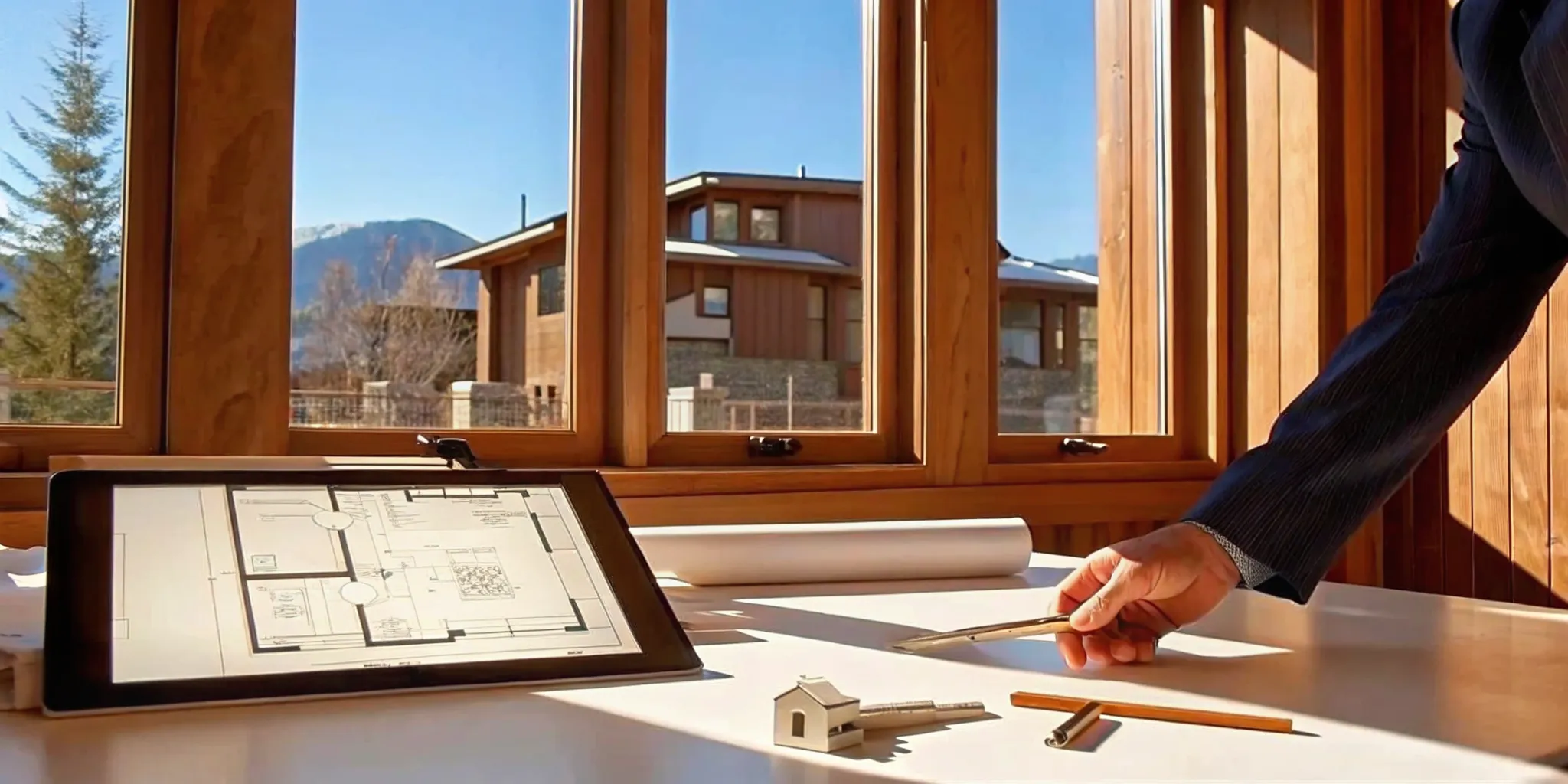
Building a home in Utah means creating a space that’s as unique as the landscape around us, from the Wasatch Front to our beautiful southern deserts. But how do you build a home that fits your family’s active lifestyle while navigating the specific costs and opportunities of our local market? This guide is for Utah families who are ready to plant permanent roots. We’ll cover local cost factors, must-have features for enjoying our four seasons, and how to find a builder who truly understands the area. Whether you’re browsing new construction homes for sale or dreaming of a fully custom project, we’ll help you understand your options and build a home you’ll love.
Key Takeaways
- Build a home that’s uniquely you: A new build gives you total creative control, allowing you to choose a modern layout, custom finishes, and energy-efficient features that match your personal style and save you money.
- Create a solid financial plan first: Before you fall in love with a floor plan, understand your financing options, like a construction-to-permanent loan, and create a realistic budget that includes a contingency fund for peace of mind.
- Choose your builder with care: Your builder is your most important partner in this process, so do your research and look for a team with a strong reputation, transparent contracts, and a clear commitment to using high-quality materials.
New Build or Existing Home: Which Is Right for You?
Deciding between a brand-new house and an existing one is one of the biggest choices you'll make on your home-buying journey. An older home might have a certain charm and an established spot in a neighborhood you love, but a new build offers a clean slate tailored exactly to you. The right path depends entirely on your priorities, budget, and vision for your future. To make the best decision for your family, it helps to look past the initial price tag and consider the long-term benefits and trade-offs of each option.
Why Choose a New Build?
Opting for a new construction home means you get a space that truly reflects your personal style and lifestyle from day one. You get to make the fun decisions, choosing everything from the flooring and countertops to the lighting and cabinetry. Beyond aesthetics, a new home is built to modern standards, which means it’s more energy-efficient and will likely require fewer repairs in the first several years. This can save you a significant amount of money and stress over time. Plus, most builders provide warranties for their work, giving you an extra layer of confidence and peace of mind as you settle into your new home.
Common Misconceptions About New Homes
Many people believe you can’t negotiate on a new build, but that’s not always the case. While the base price might be firm, you can often discuss things like upgrades or help with closing costs. Another common myth is that new homes always cost more. When you factor in the lower maintenance and utility bills, the long-term cost to build a house in Utah can be very competitive. People also worry they won’t know what the finished house will look like, but builders have detailed plans, 3D renderings, and even model homes to help you visualize the final product. You can explore a builder's gallery to see the quality of their past work.
Understanding the Trade-Offs
Of course, there are trade-offs to consider. Location is a major one. Existing homes are often found in established neighborhoods with mature trees and a certain character, while new construction is frequently located in developing areas. The housing market also plays a big role; local factors like land availability and zoning regulations can impact the price and timeline of a new build. Ultimately, the choice comes down to what matters most to you: the predictability and customization of a new home or the character and location of an existing one. Thinking through these factors will help you find the perfect fit.
The Perks of Building New
Deciding between a new build and an existing home is a big decision. While older homes have their charm, building new offers a unique set of advantages that are hard to ignore. From a blank canvas for your design dreams to the practical benefits of modern construction, a new home is an investment in your lifestyle and your future. Let’s look at some of the biggest perks of building from the ground up.
Enjoy Modern Layouts and Customization
One of the biggest draws of a new home is that it’s designed for how we live today. Forget the cramped, closed-off rooms of older houses. New builds often feature open-concept floor plans that feel spacious and are perfect for entertaining. But the real magic is in the customization. When you build new, you get to make the decisions. You can choose the layout, the finishes, the fixtures, and every little detail that turns a house into your home. Instead of inheriting someone else's design choices, you get a space that reflects your personal style from day one. You can explore a builder's gallery to see how different layouts and finishes come to life.
Benefit From Energy Efficiency and Lower Maintenance
New homes are built to the latest standards with modern materials, which means they are significantly more energy-efficient. Think better insulation, high-performance windows, and efficient heating and cooling systems. These features work together to keep your home comfortable year-round while reducing your monthly utility bills. Beyond the savings, there’s the benefit of lower maintenance. Everything in your home is brand new, from the roof to the appliances. This means you can spend your weekends enjoying your new space instead of tackling a long list of expensive and unexpected repairs that often come with older properties.
Gain Peace of Mind With a Builder's Warranty
Buying a home is one of the biggest investments you’ll ever make, and a new build offers a layer of protection you won’t find with a resale property: a builder’s warranty. This warranty provides a safety net, typically covering workmanship and materials for a set period, along with longer coverage for major structural components, plumbing, and electrical systems. This peace of mind is invaluable. It means that in the unlikely event something goes wrong in the first few years, you have a clear process for getting it fixed without draining your savings. It’s a promise of quality and a testament to the builder's confidence in their work.
Appreciate Smart Home Features and Move-In Readiness
Building new allows you to integrate smart home technology seamlessly from the start. Instead of dealing with aftermarket gadgets, you can have smart thermostats, lighting, security systems, and integrated wiring built directly into your home’s design for ultimate convenience and efficiency. And let’s not forget the simple joy of a truly move-in-ready home. There’s no need to live through a dusty renovation or spend your first few months painting over questionable color choices. You can simply unpack your boxes and start living. If you have specific features in mind, you can contact a builder to discuss what’s possible in your custom home.
Must-Have Features for Your New Home
Building a new home is your chance to create a space that perfectly fits your lifestyle. While trends come and go, some features offer lasting value, comfort, and enjoyment. As you begin to picture your dream home, think about how you want your space to feel and function for years to come. Today’s buyers are looking for thoughtful, human-centric designs that blend flexibility with efficiency and comfort.
From open layouts that bring everyone together to private outdoor retreats, the right features can transform a house into a home you’ll love. Let’s look at some of the most requested and practical features to consider for your new build. These ideas focus on creating a warm, inviting, and highly functional environment that supports your daily life and adapts as your needs change.
Open Floor Plans and Flex Spaces
The days of formal, closed-off rooms are fading. Modern homes embrace open floor plans that connect the kitchen, dining, and living areas into one cohesive space. This design creates a wonderful sense of connection, making it easy to entertain guests or keep an eye on the kids while you cook. It also allows natural light to flow through the home, making it feel bright and airy. You can see how we create these inviting spaces in our project gallery.
Beyond the main living area, consider incorporating flex spaces. A flex space is a room designed for multiple uses, like a home office that can double as a guest room, a workout area, or a kids' playroom. This adaptability is key to long-term satisfaction with your home, ensuring it can evolve with your family’s changing needs.
Sustainable Materials and Efficient Systems
Building with sustainability in mind is one of the smartest investments you can make. It’s not just about being environmentally conscious; it’s about creating a healthier, more comfortable home with lower monthly utility bills. High-quality insulation, energy-efficient windows, and modern HVAC systems work together to keep your home comfortable year-round while reducing your energy consumption.
Choosing sustainable materials also contributes to a healthier indoor environment. Because we source many of our own materials, we have direct control over quality, ensuring we use durable and responsible options. Incorporating these energy-saving features from the start is far more effective and affordable than trying to retrofit them later, providing you with significant savings and peace of mind over the life of your home.
Outdoor Living and Wellness-Focused Designs
In a beautiful state like Utah, your living space shouldn’t end at your back door. Creating functional and beautiful outdoor areas is a fantastic way to extend your home and connect with nature. Imagine summer evenings on a custom deck, family barbecues on a new patio, or a cozy outdoor fireplace for crisp fall nights. These spaces become a natural extension of your home, perfect for relaxing, entertaining, and making memories.
Designing with wellness in mind means creating spaces that promote a healthy and balanced lifestyle. An inviting outdoor living area encourages you to spend more time outside, reducing stress and improving your overall well-being. Whether you envision a simple patio or a complete outdoor kitchen, we can help you design a space that fits your needs. Let's talk about the possibilities for your outdoor living project.
Warm Design Styles and Smart Home Tech
While clean and simple design is timeless, homeowners are moving away from stark, cold interiors and toward warmer, more personal styles. Think less sterile and more soulful. This can be achieved with subtle pops of color, the use of natural materials like wood and stone, and an emphasis on texture. These elements add character and warmth, making a new house feel like a home from the moment you move in.
At the same time, integrating smart home technology adds a layer of modern convenience and security. Features like smart thermostats that learn your schedule, automated lighting, and integrated security systems can be seamlessly built into your home's design. Planning for these features during construction ensures they are perfectly integrated and easy to use. Factoring these elements into your initial home building budget is a smart way to add lasting value.
Custom vs. Spec vs. Tract Homes: What's the Difference?
When you start exploring new construction, you'll quickly run into a few key terms: custom, spec, and tract. While they all describe newly built houses, they represent very different approaches to home building and buying. Understanding the difference is the first step in finding the right path for you and your family. Each type of home offers a unique balance of personalization, timeline, and cost. There’s no single "best" option; it all comes down to what you value most in a home.
Are you dreaming of a home designed from the ground up to fit your exact lifestyle? Or would you prefer a brand-new home with popular finishes that’s ready to move into sooner? Maybe you're focused on finding the most affordable new build in a planned community. Your answers to these questions will point you toward a custom, spec, or tract home. Knowing the pros and cons of each will help you make a confident decision and set clear expectations for your home-building journey. Let's break down what each of these terms really means for you as a homebuyer.
What Is a Spec Home?
A spec home, short for "speculative home," is a house a builder constructs without a specific buyer lined up. The builder is essentially speculating on what features, layouts, and finishes will appeal to buyers in the market. They often choose popular designs and neutral color palettes to have the widest appeal. Think of it as a move-in-ready new build. Because the major decisions have already been made, the timeline to move in is much shorter than with a custom home. Depending on how early in the process you purchase a spec home, you might have the opportunity to select some finishes, like paint colors or countertops, but the overall structure and layout are set.
What Is a Tract Home?
Tract homes are what many people picture when they think of a new housing development. These homes are built on a large scale, or "tract" of land, by a single builder. To keep costs down through economies of scale, the builder offers a limited number of floor plans and exterior designs that are repeated throughout the neighborhood. While this makes them one of the most affordable new construction options, it also means you'll have the least amount of say in the design. Customization is typically limited to picking from a pre-selected menu of finishes and upgrades, and your home will look very similar to your neighbors'.
Why a Custom Build Is a Smart Investment
A custom build is exactly what it sounds like: a home designed and built for you from the ground up. This path offers complete creative control, allowing you to tailor every detail to your family’s needs and personal style. From the architectural plans and room layout to the specific type of wood used for your floors, you make the decisions. This level of personalization ensures the final product is a true reflection of your vision. Building a custom home is a smart investment in your long-term happiness and satisfaction. You get to choose quality materials and energy-efficient systems that can lead to lower utility bills and fewer maintenance headaches for years to come.
What's the Cost of a New Build?
Figuring out the cost of a new home is one of the first, and biggest, questions on anyone's mind. It’s easy to get lost in online calculators and national averages, but the truth is, your final price tag is as unique as your future home. Think of it less as a single number and more as a story built from several chapters: the land you choose, the size of your floor plan, and the finishes that make it feel like you. The total cost is a combination of many decisions, both big and small.
While it can feel overwhelming, understanding these moving parts is the first step toward creating a realistic budget. The key is to work with a builder who is transparent about where every dollar goes. A hands-on partner can guide you through material selections and design choices, helping you invest in what matters most without stretching your finances too thin. We've put together a detailed cost guide for building in Utah that breaks down the specifics for our local market. Ultimately, building a custom home is an investment in quality, personalization, and a space that will serve your family for years to come.
What Affects the Final Price?
Several key factors come together to determine the final cost of your new home. Beyond the obvious elements like square footage and the number of rooms, local market conditions play a huge role. Things like zoning regulations can influence what you’re able to build and how much you’ll spend on permits. The complexity of your architectural design also matters; a simple rectangular footprint is generally more cost-effective to build than a home with many corners, curves, and complex rooflines.
Of course, your personal choices in finishes and features are a major part of the equation. Upgrading from standard carpet to hardwood floors or choosing high-end appliances will naturally increase the price. These decisions are where you get to infuse your personality into the home, and a good builder will help you understand the cost implications of each choice.
How Location, Labor, and Materials Impact Cost
Where you decide to build is one of the most significant cost factors. A lot in a desirable school district or a developed neighborhood will cost more than a similar-sized parcel on the urban fringe. Building in established areas can also come with higher costs for permits and land preparation. The availability and cost of skilled labor in the region also affect the budget.
Material costs are another critical piece of the puzzle. Prices for lumber, concrete, and other essentials can fluctuate based on supply and demand. This is where working with a builder who has direct control over their supply chain makes a difference. Because we operate our own lumber mill and source materials directly, we can better manage quality and costs, protecting your budget from market volatility and ensuring your home is built with superior products.
A Look at New Construction Costs in Utah
If you’re building in Utah, the size of your home is one of the biggest drivers of your budget. As you’d expect, a larger home requires more materials and more labor, which increases the overall cost. While you might see average price-per-square-foot figures for the Wasatch Front, it’s important to treat these as a starting point, not a guarantee. Costs can vary widely between counties like Salt Lake and Summit, and even between different neighborhoods.
The level of customization also shapes the final price. A home with luxury finishes, custom cabinetry, and high-end systems will naturally have a higher per-square-foot cost than a home with more standard selections. For a more detailed breakdown, you can review our guide to Utah building costs.
How to Budget for Unexpected Costs
Even with the most careful planning, unexpected costs can arise during a build. That’s why it’s essential to build a contingency fund into your budget from day one. This isn’t a sign of a poorly planned project; it’s a smart strategy for a stress-free experience. A good rule of thumb is to set aside an extra 10% to 15% of your total construction cost.
This fund covers unforeseen expenses, like a sudden increase in material prices or the need for extra site work after excavation. It also gives you the flexibility to make changes or upgrades along the way without derailing your finances. Having this cushion ensures you’re prepared for anything and can focus on the excitement of watching your home come to life. Ready to create a budget? Let's start the conversation.
How to Finance Your New Home
Figuring out how to pay for a home that isn’t built yet can feel like a huge challenge, but the process is more straightforward than you might think. Financing a new build is a bit different from buying an existing house, but there are several clear paths you can take. From specialized construction loans that roll into a regular mortgage to government-backed programs, you have solid options. Getting familiar with them ahead of time will help you feel confident as you move forward with your project. Let's walk through the most common ways to finance your Utah dream home.
Understanding Construction-to-Permanent Loans
This is a popular choice for a reason. A construction-to-permanent loan is a single loan that covers the cost of building your home and then converts to a traditional mortgage once construction is finished. This one-and-done approach means you only have one application and one closing, which saves you time, money, and paperwork. While your home is being built, you typically make interest-only payments on the funds that have been used. Once you move in, the loan switches over to a standard principal-and-interest mortgage payment. It’s a streamlined way to finance building a new home without the hassle of securing two separate loans.
Using FHA and VA Loans for New Builds
Government-backed loans can also be a fantastic resource for new construction. If you're looking for a loan with more flexible approval requirements, an FHA construction-to-permanent loan might be the perfect fit. These loans are insured by the Federal Housing Administration and are designed to make homeownership more accessible. For eligible veterans, service members, and surviving spouses, a VA construction loan is an incredible benefit to explore. These often come with very favorable terms, like requiring no down payment and not having private mortgage insurance (PMI), which can significantly lower your overall costs.
What to Know About Builder Financing and Incentives
You might find that some builders offer their own financing options or have partnerships with preferred lenders. This can sometimes be a convenient route, and they may offer incentives like covering closing costs or including upgrades to encourage you to use their lender. While these offers can be appealing, it’s always a good idea to shop around. Compare the rates and terms from the builder’s lender with at least one or two other lenders to make sure you’re getting the best possible deal. A trustworthy builder will respect your decision to choose the financing that works best for you and your family.
How to Choose the Right Home Builder
Choosing a home builder is one of the most important decisions you’ll make in your home-buying journey. This is the team you’ll partner with for months, trusting them to bring your vision to life and manage a significant financial investment. The right builder makes the process exciting and rewarding, while the wrong one can create endless stress. To find a partner you can count on, you’ll want to do a little homework. Focus on their reputation, the quality of their materials, and the support they offer throughout the process. A great builder will be an open book, ready to answer your questions and show you proof of their craftsmanship.
Check Their Reputation, Reviews, and Past Work
Start by looking into the builder's reputation. What are past clients saying about their experience? You can find reviews on their website, social media pages, and third-party sites. Look for comments that speak to their professionalism, communication, and ability to stay on schedule and on budget. Beyond reviews, a builder’s portfolio is their resume. Spend time exploring their gallery of past work to see if their style and quality match what you’re looking for. Do their finished projects look solid and well-crafted? A portfolio gives you a real-world glimpse into their capabilities and attention to detail, helping you visualize what they could create for you.
Ask About Material Quality and Sourcing
The long-term durability of your home depends on the quality of the materials used to build it. A great builder won’t just focus on the finished look; they’ll be obsessed with what’s behind the walls. Don’t be shy about asking where they source their materials, like lumber, insulation, and fixtures. A builder who is transparent about their supply chain is usually confident in its quality. For example, at Red Rooster, we operate our own lumber mill, which gives us direct control over the quality of the wood that goes into our homes. This hands-on approach ensures every component meets our high standards, a detail that makes a huge difference in the final product.
Look for Warranties, Transparency, and Support
A reputable builder stands behind their work, and the most common way they do this is with a builder’s warranty. This warranty protects you from defects in workmanship or materials for a set period after you move in, giving you valuable peace of mind. Transparency is just as important. Your builder should be upfront about the cost to build a house and provide a clear, detailed contract that outlines the entire scope of the project. You should feel comfortable asking questions at any stage. A builder who offers great support is one who communicates openly, listens to your concerns, and works with you as a true partner. If you have questions, contact us to see what that partnership feels like.
The New Build Process: A Step-by-Step Guide
Building a new home is an exciting process, but it can feel overwhelming if you don’t know what to expect. Breaking it down into manageable steps makes the journey much smoother. From securing your loan to that final, thrilling walkthrough, here’s a guide to the new construction process. This roadmap will help you feel prepared and confident as you watch your dream home come to life.
Set Your Budget and Secure Financing
Before you even think about floor plans, your first step is to figure out your budget. Knowing what you can comfortably afford will guide every decision that follows. For new construction, you’ll likely need a specific type of loan. Many buyers use a construction-to-permanent loan, which covers the building costs and then converts into a standard mortgage once the home is finished. It’s also smart to set aside a contingency fund, typically 10% to 15% of the total cost, to cover any unexpected expenses. This buffer gives you peace of mind so that a small change or surprise doesn’t derail your project.
Find the Right Builder and Lot
Choosing the right builder is the most important decision you’ll make. You’re not just hiring a company; you’re selecting a partner for one of the biggest projects of your life. Look for a builder with a solid reputation, a portfolio of work that you admire, and a transparent process. A great builder will also be an invaluable resource in finding the perfect piece of land, helping you assess everything from soil quality to zoning laws. When you find a builder you trust, you can feel confident that your vision and investment are in good hands.
Negotiate Upgrades and Closing Costs
While the base price of a new home is often less flexible, you may have room to negotiate other aspects of the deal. Many builders are willing to discuss upgrades, closing cost assistance, or other incentives. For example, you might be able to get upgraded countertops, premium flooring, or high-end appliances included in the price. Think about what’s most important to you and have an open conversation with your builder. The goal is to find a win-win solution that adds value to your home without stretching your budget.
What to Expect During the Build
Once the contracts are signed and the work begins, you’ll get to watch your home take shape. The process generally moves through several key phases: site prep and foundation, framing, plumbing and electrical installation, insulation and drywall, and finally, the interior and exterior finishes. A hands-on builder will keep you informed with regular updates and schedule site visits so you can see the progress firsthand. Don’t be afraid to ask questions along the way. Clear communication is essential for ensuring the project stays on track and meets your expectations.
Your Final Walkthrough, Inspection, and Closing Day
As construction wraps up, you’ll have a final walkthrough with your builder. This is your chance to inspect every detail of the home and point out anything that needs a final touch-up, often marked with blue painter's tape. You should also hire an independent home inspector to provide a professional, unbiased assessment. Once you’re satisfied and any final adjustments are made, it’s time for closing day. You’ll sign the final paperwork, get your keys, and officially become the owner of a brand-new home built just for you.
New Construction Red Flags to Avoid
Building a new home is an exciting journey, but it’s important to protect your investment. Knowing what to watch for can help you partner with a builder who is trustworthy and transparent, ensuring your project is a success from start to finish. Here are a few key red flags to keep on your radar.
Vague Contracts and Unclear Timelines
A trustworthy builder will provide a detailed contract that clearly outlines the scope of work, materials, and a realistic project schedule. If a contract feels vague or a builder is hesitant to commit to a timeline, consider it a major red flag. While building has its share of unavoidable delays, like weather or supply chain issues, your builder should be upfront about the process and communicate proactively. A solid contract protects both you and the builder, creating a foundation of trust. A builder who avoids specifics may be trying to cut corners or leave themselves room to charge more later. Always insist on clarity before you sign.
Low-Quality Materials or a Lack of Transparency
One of the biggest perks of a new build is the quality of the construction. However, this is only true if your builder uses high-quality materials. Be wary of any builder who isn’t transparent about their sourcing or the products they use in their homes. Ask where they get their lumber, what brands of windows they install, and what kind of insulation they use. A proud builder will be happy to show off their quality craftsmanship and explain why they choose certain materials over others. At Red Rooster, for example, we operate our own lumber mill to ensure we have complete control over the quality of our core building materials from day one.
Pressure to Use Builder Financing and Hidden Costs
It’s a red flag if a builder aggressively pushes you to use their in-house lender. While builder incentives can sometimes be a good deal, you should never feel pressured. It’s always wise to shop around for your construction loan to ensure you’re getting the best possible rate and terms. A builder’s preferred lender might not offer the most competitive package. Be sure to get a complete breakdown of all costs and fees, and ask about potential overages. A transparent builder will help you understand your budget and avoid surprises, not pressure you into a financial decision that only benefits them.
Build Your Utah Dream Home With Red Rooster Construction
Choosing to build a new home is one of the most exciting decisions you’ll ever make. It’s a chance to create a space that perfectly fits your family’s lifestyle and reflects your personal taste. At Red Rooster Construction, we believe the building process should be just as rewarding as the final result. We partner with families across Utah to turn their vision into a reality, managing every detail with a commitment to quality and transparency. Our goal is to build you a house that you’ll be proud to call home for years to come.
Our Hands-On Approach and Direct Material Sourcing
What makes our process different? It starts with our hands-on approach. Our team is personally involved in every project, ensuring that each phase of construction meets our high standards. We’re dedicated to getting the details right and making sure you’re completely satisfied with the outcome. This commitment to quality craftsmanship is possible because we have direct control over our materials. By operating our own lumber mill and sourcing materials directly, we can guarantee their quality while also managing project costs effectively. This unique advantage means you get superior materials without compromising your budget.
Serving Homeowners Across the Wasatch Front
We build homes for our neighbors in communities throughout the Wasatch Front, including Salt Lake, Davis, Summit, and Weber counties. We understand that building a home is a significant investment, and our team is here to guide you with clear, honest communication every step of the way. We pride ourselves on being professional, dependable, and flexible enough to adapt to your needs as the project evolves. Your vision is our blueprint, and we work collaboratively with you to ensure the final home is exactly what you dreamed of. If you’re ready to explore what’s possible, you can learn more about the cost to build a house in Utah or contact us to start the conversation.
Related Articles
- Cost to Build a House in Utah — Red Rooster
- Red Rooster Construction — Utah's Hands-On Home Builder
- Project Gallery — Red Rooster Construction
- Contact — Red Rooster Construction
Frequently Asked Questions
What's the most important first step when creating a budget for a new home? The most important first step is to plan for a contingency fund right from the start. After you know your total loan pre-approval amount, you should work with your builder to create a detailed budget that sets aside an extra 10% to 15% of the total construction cost. This isn't a sign of poor planning; it's a smart strategy that gives you a cushion for any unforeseen site costs or the flexibility to add an upgrade you decide on later. A transparent builder will help you account for this, ensuring a much less stressful experience.
How much input do I really get with a custom home? Isn't it overwhelming? With a custom home, you have input on every detail, but a good builder ensures the process feels exciting, not overwhelming. Think of your builder as a guide who walks you through decisions in a logical order, from the big picture layout to the smaller details like fixtures and paint. They provide expertise and present you with curated choices, so you're never starting from a completely blank slate. It’s a collaborative partnership designed to bring your vision to life without you having to become an expert in construction yourself.
How long does it actually take to build a custom home? The timeline can vary depending on the complexity of your home and the location, but a good general estimate is between nine months and a year from breaking ground to moving in. This doesn't include the initial design and permitting phase, which can take a few months on its own. A trustworthy builder will provide you with a clear, realistic schedule before any work begins and will communicate proactively about milestones and any potential delays, so you always know what to expect.
Besides looking at past projects, what's the best way to know if a builder is focused on quality? A builder's portfolio shows you their style, but their approach to materials reveals their commitment to quality. Ask them directly about where they source their lumber, windows, and insulation. A builder who is proud of their work will be happy to explain why they choose certain products and suppliers. You should also ask about their builder's warranty. A comprehensive warranty is a builder’s promise to stand behind their craftsmanship long after they hand you the keys, and it’s a clear sign they build homes to last.
Is getting a loan for a new build more complicated than for an existing home? The process is different, but it doesn't have to be more complicated. Most people financing a new build use a construction-to-permanent loan, which is a single, streamlined product. This loan covers the building costs in stages and then, once your home is complete, it automatically converts into a standard mortgage. This means you only have one application and one closing, saving you time and paperwork. Your builder can often recommend lenders who specialize in these loans and can make the process feel very straightforward.
Planning a project in Utah?
Talk with Red Rooster Construction about your build, remodel, or outdoor space.
Request a Quote