
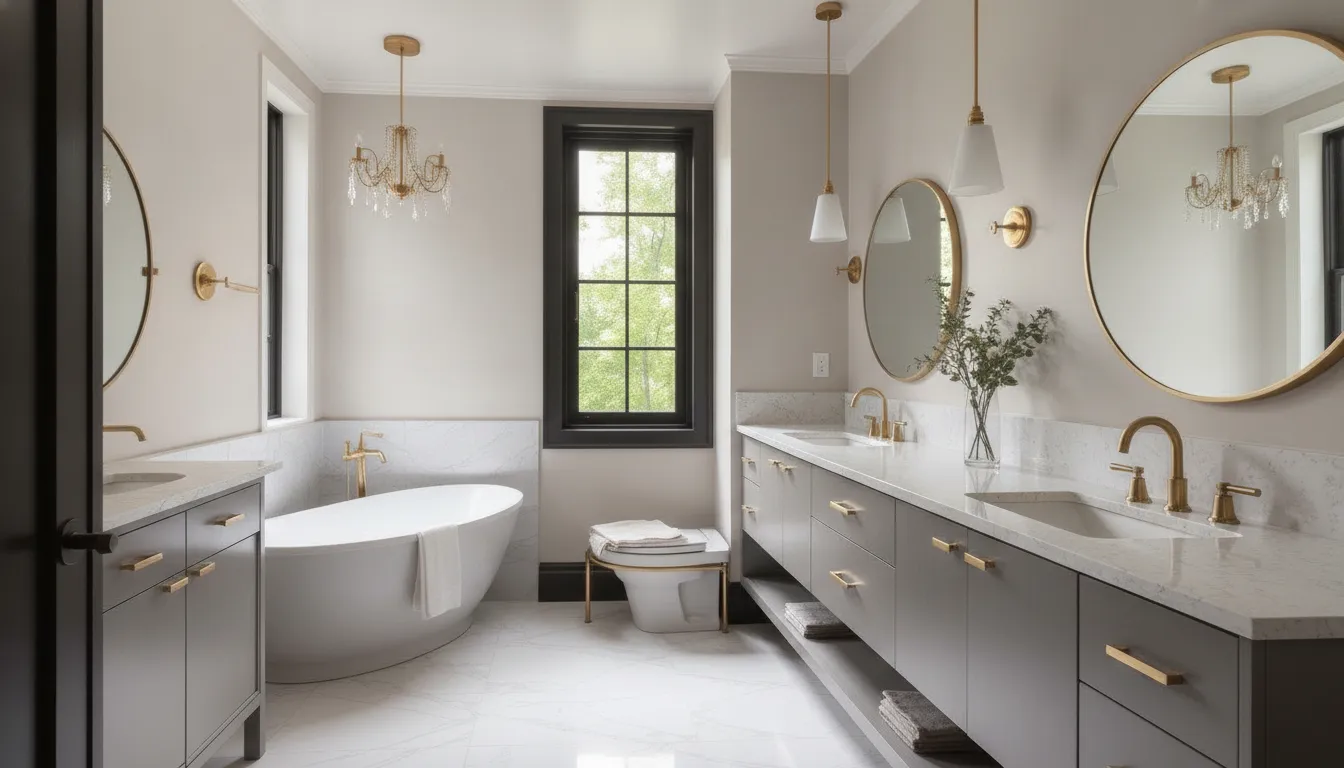
You’ve spent hours scrolling through inspiration, pinning photos of walk-in showers and perfect double vanities. The dream of a new bathroom is exciting, but it’s quickly followed by a very practical question: What will this actually cost? It can feel like a huge leap from a beautiful design to a real-world budget. This article is here to bridge that gap. We’ll walk through everything you need to know about how much a bathroom remodel cost, from understanding the price of materials and labor to planning for those unexpected issues that can hide behind the walls, helping you turn your vision into an actionable plan.
Key Takeaways
- Control Your Budget by Understanding the Basics: The total cost depends on three main things: the size of your bathroom, the scope of the work, and the materials you select. Planning these elements carefully is the best way to manage your spending.
- Plan for Both Seen and Unseen Costs: A solid budget includes more than just the fixtures. Set aside a 15% to 20% contingency fund for unexpected issues like hidden water damage, and get detailed, itemized quotes from reputable contractors to avoid surprises.
- Focus on Smart Investments for Lasting Quality: A bathroom remodel offers a strong return on investment, both financially and in your daily life. Spend wisely by prioritizing foundational elements like quality plumbing, waterproofing, and ventilation, since these are the hardest and most costly to fix later on.
How Much Does a Bathroom Remodel Really Cost?
Let's get right to it: you want to know what a new bathroom is going to cost. The truth is, there’s no single price tag. A bathroom remodel is one of the most popular home improvement projects, but the final cost can swing dramatically based on your vision, the materials you choose, and the scope of the work. Think of it less like buying a product off the shelf and more like commissioning a custom piece of art. To give you a clearer picture, let's start by looking at some general numbers before we get into the specifics for Utah homeowners.
A Quick Look at Average Costs
On a national level, most homeowners spend between $6,600 and $18,000 on a bathroom remodel. Another way to frame it is by square footage, which often runs from $70 to $250 per square foot. Of course, these are just averages. A high-end project with luxury materials and custom finishes can easily exceed $100,000. Location also plays a huge role in the final price. For example, recent industry reports show a full remodel in the Midwest might cost around $15,000, while the same project in a coastal city could be double that. We’ll discuss what to expect here in Utah a little later on.
Remodel vs. Renovation: What's the Difference?
You’ll hear the words “remodel” and “renovation” used interchangeably, but in the building world, they mean very different things. Understanding the distinction is key to setting a realistic budget. A remodel involves changing the structure or layout of your bathroom. This includes moving walls, relocating plumbing for a new shower, or changing the room’s footprint. Because it’s more complex, a remodel is the more expensive option. A renovation, on the other hand, is about updating the look of the space without changing the layout. Think new paint, modern light fixtures, or replacing a vanity in the same spot. This is a great way to refresh your bathroom on a smaller budget.
What Drives the Cost of a Bathroom Remodel?
Figuring out a realistic budget for your bathroom remodel starts with understanding where the money goes. The final price isn't just one number; it's a combination of several key factors that you can often adjust to meet your goals. From the size of your space to the style of faucet you choose, every decision plays a role in the total cost.
Thinking through these elements ahead of time helps you plan more effectively and have clearer conversations with your builder. It puts you in control of the project's direction and budget. Let's break down the five main components that will shape the cost of your bathroom transformation.
Your Bathroom's Size and Layout
It makes sense that the bigger your bathroom, the more it will cost to remodel. A larger space requires more materials, from flooring and tile to paint and trim, and also takes more labor to complete. A small powder room update will naturally have a much lower price tag than a primary suite overhaul.
Beyond just square footage, changing the bathroom's layout is one of the biggest cost drivers. If you plan to keep your toilet, shower, and sink in their current spots, you avoid the complex and expensive work of moving plumbing and electrical lines. Deciding to relocate fixtures will significantly increase labor costs, so it's important to weigh the benefits of a new layout against the impact on your budget.
The Scope of the Project
The extent of your remodel has a direct impact on the final cost. Are you planning a simple cosmetic refresh or a full "gut" remodel where everything is torn out and replaced? A cosmetic update, which might include new paint, a modern light fixture, and updated hardware, is a budget-friendly way to breathe new life into a space.
On the other hand, a full remodel involves taking the room down to the studs and starting fresh. This is usually more expensive but gives you complete freedom to redesign the space. You can find a middle ground by keeping some of the big-ticket items, like the bathtub or vanity, if they are still in good condition. Looking through a builder's project gallery can give you great ideas for remodels of every scope.
Your Choice of Materials and Fixtures
This is where your personal style really comes into play, and it's also where you have the most control over your budget. The materials and fixtures you select can cause the total cost to vary widely. For example, classic and durable ceramic tiles are often more affordable than high-end natural stone like marble or travertine.
The same principle applies to every part of your bathroom. A stock vanity from a big-box store will cost less than a custom-built piece, and a standard chrome faucet is more budget-friendly than a high-end brushed brass model. Understanding how these choices affect your bottom line is a key part of the planning process, similar to how material selections influence the cost to build a house.
Labor Costs in Your Area
Labor is a significant portion of any remodel budget, often accounting for 40% to 65% of the total project cost. This expense covers the skilled professionals who handle everything from demolition and plumbing to tiling and painting. While it might be tempting to cut corners here, hiring an experienced and licensed contractor is crucial for a high-quality result that lasts.
In Utah, labor rates can vary depending on your location along the Wasatch Front and the demand for skilled tradespeople. A reputable builder will provide a detailed estimate that breaks down these costs, so you know exactly what you're paying for. Investing in quality craftsmanship from the start prevents costly repairs and ensures your new bathroom is built to code and built to last. The best way to understand labor costs for your specific project is to request a quote from a trusted local builder.
Necessary Permits and Inspections
Permits and inspections are an essential, non-negotiable part of most bathroom remodels, especially if you're moving walls or changing the plumbing or electrical systems. These administrative fees are paid to your local municipality and ensure that the work is done safely and complies with all building codes.
While they may seem like just another fee, permits protect you and your home. They guarantee that a city inspector will review the work at critical stages, catching any potential issues before they become major problems. A professional contractor will handle the entire permitting process for you, but it's important to factor these fees into your initial budget so there are no surprises down the road.
Estimating Costs by Remodel Type
The scope of your project is one of the biggest factors determining your final bill. Are you looking for a simple refresh, or are you dreaming of a floor-to-ceiling transformation? Understanding the difference can help you create a realistic budget from the start. Bathroom remodels generally fall into three categories: simple cosmetic updates, partial remodels, and full gut remodels. Each level of work comes with a different price tag, timeline, and level of disruption to your daily life.
Thinking about which category fits your vision will help you have more productive conversations with your contractor. A clear scope allows them to provide a more accurate estimate and guide you on where your money will have the most impact. It also helps set clear expectations for everyone involved. Let’s look at what you can generally expect to invest for each type of project. Keep in mind these are national averages, and a detailed quote from a local builder is the best way to get a precise figure for your Utah home. You can see examples of finished projects of all sizes in our gallery to get a better feel for what's possible at different levels of investment.
Simple Cosmetic Updates
If your bathroom's layout works well but the style feels dated, simple cosmetic updates can make a huge difference without requiring a massive budget. This type of project focuses on surface-level changes. Think replacing the vanity and mirror, installing a new shower head, laying down new flooring, and applying a fresh coat of paint. These smaller updates are perfect for giving your space a quick and effective facelift. For a project like this, you can generally expect the cost to be between $6,000 and $8,000.
A Partial Remodel
A partial remodel strikes a balance between cosmetic changes and a complete overhaul. This is a popular option for homeowners who want to make more significant improvements without tearing everything down to the studs. In addition to cosmetic changes, a partial remodel might involve replacing the bathtub or shower, installing a new toilet, or upgrading lighting and ventilation. The average cost for a bathroom remodel of this scope is typically between $6,600 and $18,000, or about $70 to $250 per square foot. If you opt for high-end materials and luxury fixtures, the price can climb much higher.
A Full Gut and Remodel
For a total transformation, a full gut and remodel is the way to go. This is the most extensive and expensive option, as it involves removing everything down to the wall studs and subfloor. This approach gives you complete freedom to change the bathroom's layout, move plumbing and electrical lines, and create a custom space from scratch. Even with standard materials, a full gut and remodel can cost between $13,000 and $26,000 or more. This is where working with an experienced builder is crucial to manage the project's complexity and ensure a high-quality result.
A Cost Breakdown for Each Part of Your Bathroom
When you start planning a bathroom remodel, the total cost can feel like one big, intimidating number. Breaking it down piece by piece makes the process much more manageable and helps you see exactly where your money is going. This detailed view is your best tool for creating a realistic budget and having productive conversations with your builder. It allows you to make informed trade-offs, like splurging on a stunning custom shower while opting for a more cost-effective vanity. A clear breakdown empowers you to feel confident in every decision you make for your project.
This approach also helps you prioritize. By understanding the costs for each component, you can decide where to invest in high-impact features that you’ll love for years to come. You can see how a change in one area, like choosing a different tile, affects the overall budget, giving you complete control over the final outcome. Let's walk through the main parts of a bathroom to get a clearer picture of the potential costs involved. You can see examples of how these elements come together in our project gallery.
Flooring
Your bathroom floor needs to be durable, water-resistant, and stylish, and your material choice is the biggest factor in its cost. Luxury vinyl plank (LVP) is a popular and budget-friendly choice, offering a wood look with excellent waterproof qualities. Ceramic and porcelain tile provide a timeless, durable surface, though the material and labor costs are higher. If you’re dreaming of high-end materials like natural stone or the comfort of heated floors, be prepared for a significant budget increase. Remember that the cost also includes underlayment, grout, sealant, and labor. A smaller cosmetic update focusing on flooring and paint might keep the total project cost around $6,000 to $8,000, but this depends heavily on your other selections.
Shower and Bathtub
The shower and tub area is often the centerpiece of a bathroom and one of the most significant expenses in a remodel. A full remodel of this space can range from $6,600 to over $18,000, depending on complexity. A simple acrylic tub-and-surround kit is on the lower end, while a custom-tiled walk-in shower with a frameless glass door and multiple showerheads is a major investment. In some high-cost areas, a luxury shower and tub remodel can climb even higher. Don’t forget to account for critical behind-the-scenes work, like waterproofing membranes and plumbing adjustments, which are essential for a long-lasting, leak-free result.
Vanity, Sink, and Countertops
The vanity area is a focal point that combines storage, function, and style. It’s easy to get excited about custom vanities and beautiful countertops, but it's important to set a realistic budget. While these are the elements you see every day, don't forget to account for the plumbing and electrical work that might be needed behind the walls. Homeowners often make the mistake of focusing on dream fixtures while overlooking necessary infrastructure updates. A prefabricated vanity will be your most budget-friendly option, while a custom-built piece with a durable quartz countertop and high-end faucets will represent a much larger investment.
Toilet
While a new toilet is rarely the most expensive item in a bathroom remodel, its cost is more than just the price of the fixture itself. Standard toilets are quite affordable, but high-efficiency models or smart toilets with features like heated seats and bidet functions will cost significantly more. Beyond the unit, remember to budget for labor, which includes removing the old toilet and installing the new one. It's also wise to be aware of potential permit fees that your city or county may require for plumbing work. This is also a good time for your plumber to inspect the flange and supply line to prevent future leaks.
Lighting and Ventilation
Good lighting and ventilation are non-negotiable in a bathroom, yet they are often an afterthought in the budgeting process. Proper ventilation is crucial for preventing moisture buildup, which can lead to mold and mildew issues that are costly to fix down the road. An exhaust fan should be a required part of your plan. Similarly, a well-lit space is more functional and feels more inviting. Plan for layered lighting: ambient light from a central fixture, task lighting like sconces around the vanity, and perhaps accent lighting in the shower. Factoring in the cost of fixtures and an electrician's time will help you avoid common mistakes and ensure your new bathroom is as functional as it is beautiful.
What Hidden Costs Should You Plan For?
Even with a detailed plan, a bathroom remodel can reveal a few surprises. Thinking about these potential costs ahead of time isn't about expecting the worst; it's about being prepared so you can handle anything that comes up without derailing your budget or your timeline. A good builder will help you anticipate these issues, but knowing what to look for yourself puts you in a much stronger position. The goal is to turn your dream bathroom into a reality, not an expensive nightmare, and that starts with a realistic view of the entire process, including the parts you can't see yet.
Demolition and Disposal
Before you can install that beautiful new walk-in shower, the old tub has to go somewhere. Demolition is more than just the labor of tearing things out; it also includes the cost of getting rid of all that debris. Disposal fees for hauling away old tile, drywall, fixtures, and flooring can add up, and they are often overlooked in a first-draft budget. When you get a comprehensive quote from a contractor, make sure it includes the costs for a dumpster rental and any associated fees for waste disposal. This ensures you have a clear picture of the total project cost from the very beginning.
Uncovering Water Damage or Structural Issues
The most common surprises in a bathroom remodel hide behind the walls. Years of slow, undetected leaks can lead to water damage, mold, or rotted subfloors and wall studs. You might also find outdated plumbing or electrical wiring that needs to be brought up to current safety codes. This is why it’s so important to build a contingency fund of 15% to 20% into your budget. Finding these problems is actually a good thing, as it gives you the chance to fix them properly. A quality builder will address these underlying issues to ensure the integrity of your home, which is just as important as how our finished projects look on the surface.
Permit and Design Fees
For any remodel that involves moving plumbing, changing electrical wiring, or altering the structure of your home, you will likely need a permit from your local municipality. These permits ensure the work is done safely and meets building codes, which protects you and your home's value. The cost of permits can vary depending on where you live in Utah and the scope of your project. If you're working with an interior designer or architect, you'll also need to account for their fees. It's crucial to understand all the costs involved in your project, and that includes these administrative and professional service fees.
Potential Project Delays
Time is money, and project delays can sometimes impact your budget. A delay might happen if your contractor uncovers significant structural damage that takes extra time to repair. It could also occur if a custom-ordered vanity or specific tile is back-ordered. While a seasoned builder will create a realistic timeline and order materials well in advance, some things are outside of anyone's control. The best way to manage this is through clear and consistent communication with your construction team. A well-planned project with a built-in contingency fund helps absorb the impact of minor delays, keeping your renovation on track without causing major stress.
What to Expect for Bathroom Remodel Costs in Utah
Planning a bathroom remodel is exciting, but the budget is always a top question. Here in Utah, costs can vary quite a bit depending on where you live and the scope of your project. From Salt Lake to Summit County, local market conditions, labor rates, and material availability all play a part in the final price tag. To give you a clearer picture, let's break down what you can generally expect for pricing along the Wasatch Front and why your builder's approach to materials is so important.
Pricing Along the Wasatch Front
If you’re remodeling a bathroom in Utah, you can expect a pretty wide price range. Generally, a standard project falls somewhere between $6,600 and $18,000. Another way to look at it is by square footage, which often runs from $70 to $250 per square foot. Of course, if you’re dreaming of a spa-like retreat with luxury finishes and custom features, the price can climb significantly, sometimes over $100,000. These figures are a helpful starting point, but remember that national bathroom remodel costs are just an average. Your final number will depend entirely on the specifics of your home and your vision.
Why Your Builder's Material Sourcing Matters
The materials you choose are one of the biggest factors driving your budget. Simple, mid-range tiles and fixtures will keep costs down, while high-end stone and designer faucets can increase the price quickly. Beyond the pretty stuff, you also have to account for potential hidden costs like permit fees, debris disposal, and bringing old plumbing or electrical up to code. This is where your builder’s process makes a huge difference. A builder who sources materials directly has greater control over both quality and cost. It helps avoid surprise markups and ensures every component, from the lumber to the tile, meets a high standard, helping you better prepare for the financial aspects of your project.
How Popular Trends Can Affect Your Budget
It’s easy to get excited about the beautiful bathroom designs you see online and in magazines. While incorporating popular trends can make your space feel fresh and modern, it’s important to understand how they can impact your overall budget. Many of the most sought-after features come with higher material and labor costs. Being aware of these expenses from the start helps you decide where to splurge and where to save, ensuring you can create a bathroom you love without unexpected financial stress.
The key is to balance style with practicality. Let’s look at a few popular trends and what they mean for your bottom line. By understanding the costs, you can work with your builder to find creative solutions that fit your vision and your wallet. You might find that a small touch of a high-end material or a single smart feature gives you the feel you want without breaking the bank.
Natural Stone, Wood, and High-End Finishes
Bringing natural elements into the bathroom is a major design movement. Materials like marble, quartzite, and solid wood vanities create a warm, organic, and luxurious feel. However, these premium materials come at a premium price. Natural stone, for example, is more expensive to source, fabricate, and install than ceramic or porcelain tile. The same goes for real wood, which requires proper sealing to withstand a bathroom's humid environment. You can see how these beautiful materials come to life in our project gallery. While the look is stunning, be prepared to allocate a significant portion of your budget here if you choose to incorporate these natural materials throughout the space.
Smart Tech and Energy-Efficient Features
Technology has officially entered the bathroom, with features designed for convenience, comfort, and efficiency. Homeowners are increasingly interested in adding smart showers that remember temperature preferences, heated flooring for cold mornings, and mirrors with built-in lighting and anti-fog capabilities. While these features can certainly make your daily routine more enjoyable, they add layers of cost. You’re not just paying for the fixture itself; you’re also paying for the complex electrical and plumbing work required for installation. Integrating smart technology is an investment in a more user-friendly space, but it’s one you’ll need to plan for carefully in your budget.
Bold Tile and Custom Designs
Gone are the days of simple, uniform tile. Today, it’s all about making a statement with bold patterns, unique shapes, and intricate layouts. From colorful geometric designs to elaborate herringbone patterns, custom tilework can turn your floor or shower into a work of art. The cost, however, isn't just in the tile itself, which can be pricier for specialty shapes and patterns. The real budget impact comes from the labor. Laying intricate designs is a time-consuming process that requires a high level of skill, involving more precise cuts and meticulous placement. This specialized labor will be a notable line item on your final invoice.
How to Create a Budget You Can Stick To
Setting a realistic budget is the first step toward a successful remodel, but sticking to it is what truly matters. A well-planned budget acts as your roadmap, guiding your decisions and preventing costly detours. The key is to be thorough from the start and to build in flexibility for the unexpected. By thinking through your priorities and planning for every possibility, you can avoid the stress of going over budget and focus on the excitement of creating your new bathroom.
Build a 15–20% Contingency Fund
Think of a contingency fund as a non-negotiable line item in your budget. It’s not “extra” money; it’s a safety net for the surprises that often hide behind walls. I always recommend you build in a 15–20% cushion for unexpected expenses. When you start demolition, you might uncover hidden issues like water damage, outdated wiring, or problems with the subfloor. These are things no one can predict with 100% certainty. Having this fund ready means you can address these problems correctly without having to compromise on the features you really want or derailing your project timeline.
Separate Your Needs from Your Wants
It’s easy to get swept up in beautiful finishes and high-end fixtures. To keep your budget grounded, take a moment to separate your needs from your wants. Create two lists: “Must-Haves” and “Nice-to-Haves.” Your must-haves are the essential elements, like a functional shower, proper ventilation, and safe plumbing. The nice-to-haves might include that imported tile or a high-tech smart toilet. Homeowners often focus on the visible elements while overlooking the foundational costs of labor, permits, and unexpected repairs. This simple exercise helps you prioritize spending and gives you a clear place to make cuts if your initial estimate comes in too high.
Get Quotes from Vetted Contractors
Choosing the right contractor is the most important decision you’ll make for your remodel. While it can be tempting to go with the lowest bid, a cheap quote can signal inexperience or cut corners. The wrong choice can lead to months of stress and a poorly finished project. Instead, get detailed, itemized quotes from at least three vetted contractors. A professional bid will break down the costs for labor, materials, and permits. Ask for references, check their license, and look through their gallery of past projects. A builder with a strong reputation and transparent process is worth the investment.
Invest in Quality Where It Counts Most
A smart budget isn't about finding the cheapest option for everything; it's about investing in quality where it has the most impact. Many bathroom remodeling mistakes happen because the initial budget doesn't account for the full scope of work. Prioritize spending on foundational elements that are difficult and expensive to change later. This includes waterproofing, plumbing, electrical work, and ventilation. For fixtures and finishes, a good builder can help you find durable, high-quality materials that fit your aesthetic without breaking the bank. When you’re ready to discuss your project, a consultation with an expert can help you plan where to save and where to splurge.
Is a Bathroom Remodel a Good Investment?
Thinking about a bathroom remodel often starts with a dream, maybe of a spa-like shower or a vanity with enough counter space. But then reality sets in, and the big question becomes: is it worth the cost? The simple answer is yes. A bathroom remodel is more than just a cosmetic upgrade; it’s an investment in your home’s value and your daily quality of life. When planned thoughtfully, it can provide a solid financial return while creating a space you truly love to be in.
Understanding the Return on Investment
It’s fair to ask if you’ll see that money again after a big project. With a bathroom remodel, the data is encouraging. You can often recoup a large portion of the project’s cost through an increase in your home's value. Mid-range remodels, which focus on updating fixtures and finishes without changing the layout, can see a return of up to 80%. This means that not only do you get to enjoy a beautiful, functional new bathroom, but you’re also building equity in your property. It’s one of the few home improvements that balances personal enjoyment with a smart financial payoff.
How to Save Money Without Sacrificing Quality
A beautiful remodel doesn’t have to come with a shocking price tag. Being strategic about your choices can help you manage costs while still achieving a high-end look. You can keep costs lower by choosing stylish mid-range materials instead of luxury finishes. It’s also wise to get quotes from several different companies to compare your options and find a builder who understands your vision and budget. If you’re comfortable with it, handling some tasks like demolition or painting yourself can also cut down on labor costs. Most importantly, always build a 15–20% contingency fund into your budget. This cushion prepares you for surprises like hidden water damage, ensuring your project stays on track without financial stress.
Related Articles
Frequently Asked Questions
Why can’t you just give me a single price for a bathroom remodel? Think of it this way: no two bathrooms are exactly alike, and neither are any two homeowners’ visions. A final price depends on a huge number of variables, including the size of your room, whether we need to move plumbing, the specific tile you fall in love with, and even local labor rates. Giving a single price would be a disservice because it wouldn't be accurate. The best way to get a real number for your project is to get a detailed, custom quote from a builder who has taken the time to understand your specific goals.
What is the biggest mistake people make when budgeting for a remodel? The most common mistake is focusing only on the pretty, visible things like tile and faucets while completely forgetting about foundational costs. People often underestimate the cost of labor, demolition, and waste disposal. More importantly, they fail to set aside a contingency fund. This fund, typically 15 to 20 percent of your budget, is your safety net for addressing the surprises that might be hiding behind your walls, like old plumbing or water damage.
If I have a limited budget, where should I focus my spending for the most impact? If you need to be strategic with your budget, always prioritize investing in the things that are difficult and expensive to change later. This includes quality waterproofing for your shower, proper ventilation to prevent mold, and any necessary plumbing or electrical updates. These aren't the most glamorous parts of the project, but they are essential for the health and longevity of your home. You can often find more affordable, yet still beautiful, options for surface-level finishes like light fixtures, paint, and hardware.
Is it really worth it to fix hidden problems like old plumbing or water damage? Absolutely, yes. While it’s never fun to spend part of your budget on unexpected repairs, it is one of the most important investments you can make in your home. Simply covering up problems like water damage, mold, or faulty wiring is a recipe for much bigger, more expensive issues down the road. A quality builder will insist on fixing these underlying problems correctly to ensure your new bathroom is not only beautiful but also safe and built to last.
Can I save money by buying my own tile, vanity, and fixtures? While it might seem like a good way to cut costs, buying your own materials can sometimes create more problems than it solves. Builders often have established relationships with suppliers, which can give them access to better pricing and a wider selection. They also know exactly how much material to order and can manage the delivery logistics. When a homeowner supplies materials, you become responsible for any measurement errors, damaged items, or delivery delays, which can end up costing you more in time and money. It's best to have this conversation with your contractor upfront.
Planning a project in Utah?
Talk with Red Rooster Construction about your build, remodel, or outdoor space.
Request a Quote