
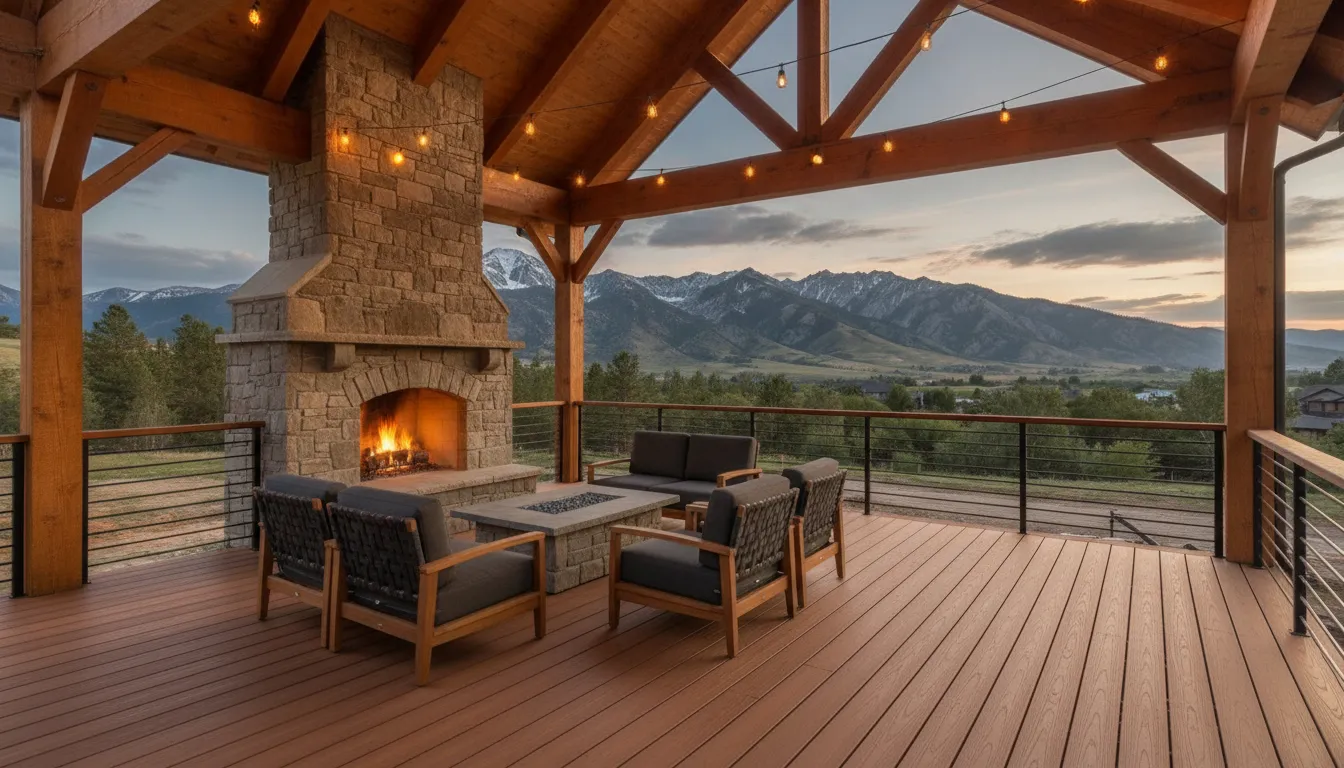
The best material for outdoor decks depends on your property and how you plan to use the space. A sunny deck near a pool may need different features than a shaded structure outside a mountain home. Families with children or pets may prioritize a surface that resists splinters and cleans easily. Homeowners who enjoy natural variation may prefer cedar, redwood, or hardwood, even with the added maintenance. Composite and PVC can offer a more consistent appearance, while aluminum provides strength and drainage advantages. This guide breaks down the leading decking choices so Utah homeowners can make a practical decision with confidence.
Key Takeaways
- Choose for your home’s conditions: Account for sunlight, snow, moisture, elevation, drainage, and how your household will use the deck.
- Review the complete investment: Compare material, labor, framing, railings, stairs, upkeep, repairs, lifespan, and warranty coverage instead of focusing only on board prices.
- Work with an experienced local builder: Proper structural design, flashing, fasteners, spacing, drainage, permits, and material sourcing help create a safer, longer-lasting deck.
What Is the Best Decking Material for Utah?
The best decking material for a Utah home depends on how you plan to use the space, how much maintenance you want to handle, and how the material responds to intense sun, dry air, snow, and seasonal temperature changes. A shaded deck in a mountain community may need different features than a sunny backyard deck along the Wasatch Front.
Your budget also matters, but the lowest purchase price does not always mean the lowest long-term cost. Wood decking may cost less to install, while composite, PVC, hardwood, or aluminum can reduce the time and money spent on staining, sealing, or replacing damaged boards. Consider the deck’s full life cycle, including framing, railings, stairs, drainage, repairs, and routine care.
Each material creates a different look and feel. Natural wood offers variation, warmth, and the option to change its stain color over time. Composite and PVC provide more consistent color and texture, while aluminum offers a clean, modern appearance with strong weather resistance. The best choice should also work with your home’s exterior, surrounding landscape, and plans for entertaining or relaxing outdoors. Red Rooster Construction can help you compare options as part of a custom outdoor living project.
Pressure-Treated Wood: Affordable and Familiar
Pressure-treated wood remains a practical choice for Utah decks because it is widely available, easy to work with, and typically more affordable than premium decking materials. The treatment helps protect the wood from decay, fungal damage, and insects. It works well for deck framing and can also serve as the surface material when you want a straightforward, cost-conscious design.
The tradeoff is ongoing care. Pressure-treated boards can dry out, crack, splinter, or change color when exposed to sun and moisture. Clean the deck regularly and apply a suitable stain or sealer according to the product manufacturer’s recommendations. Inspect the fasteners and boards each year, especially after winter. The American Wood Protection Association’s standards can help you compare treated wood products and their intended uses. This material is a sensible option when initial cost, availability, and familiar installation methods are priorities.
Cedar and Redwood: Natural Beauty, More Upkeep
Cedar and redwood give a deck a warm, natural appearance that many Utah homeowners prefer. Their grain, color, and texture complement wood siding, stone, stucco, and other natural exterior finishes. These species also have qualities that help them resist moisture and insects, although no wood deck is maintenance-free.
Utah’s dry summers and strong sunlight can gradually fade and dry natural wood. To preserve the original color, clean the boards, sand rough areas when needed, and apply a quality stain or sealer on a regular schedule. Without consistent care, cedar and redwood will weather to a gray tone and may develop surface checking. This option suits homeowners who value natural character and are comfortable adding deck maintenance to their home care routine. TimberTech’s decking guide provides a useful comparison of wood and synthetic decking materials.
Hardwood: Premium Looks and Durability
Hardwoods such as Ipe and Cumaru offer dense grain, rich color, and strong resistance to wear. Their natural durability makes them appealing for high-traffic decks, entertaining areas, and homeowners who want a premium finish. Properly installed hardwood can last for decades, but its density also requires specialized tools, compatible fasteners, and careful installation.
Hardwood usually costs more than common softwoods, both for the material and the labor. Sun exposure will gradually change its color, so apply an appropriate oil or finish if you want to maintain its original appearance. Without that treatment, many hardwoods weather to silver-gray. When comparing products, ask about the species, grade, moisture content, installation method, and responsible sourcing. The Forest Stewardship Council explains how certification supports responsible forest management and can help you evaluate hardwood products.
Composite: Low Maintenance and Consistent Style
Composite decking combines wood fibers with recycled or synthetic materials to create boards that resemble painted or stained wood. It does not require the regular sealing associated with most wood decking, and quality products resist rot, insect damage, and splintering. Many brands offer several colors, grain patterns, board profiles, and matching railing systems.
Composite still needs routine cleaning. Dirt, leaves, grease, and standing moisture can create stains or slippery areas if they remain on the surface. Darker colors may also feel warmer in direct summer sun, so consider shade, furniture placement, and how often people will walk barefoot. Composite can be a strong choice when you want a consistent appearance and less seasonal maintenance. Before selecting a product, review its care instructions and warranty terms rather than comparing color alone.
PVC: Waterproof and Easy to Maintain
PVC decking is made from cellular polyvinyl chloride instead of wood fibers. Because it does not absorb water like wood, it resists rot, mildew, and moisture-related damage. That makes it useful around pools, hot tubs, sprinklers, and areas where snowmelt may collect. PVC is lightweight and available in colors and textures designed to resemble natural wood.
The surface still needs occasional sweeping and washing, especially beneath planters and outdoor furniture. PVC can also expand and contract with temperature changes, so proper spacing, fastening, ventilation, and framing are important. Some products can feel warm in direct sunlight, while lighter colors tend to remain more comfortable. Compare slip resistance, fade performance, heat retention, and installation requirements before selecting a PVC system. TimberTech’s advanced PVC decking illustrates how product profiles, finishes, and performance features can vary between decking lines.
Aluminum: Strong, Specialized, and Well-Drained
Aluminum decking offers a durable, modern surface that resists rot, insects, and many forms of weather damage. It will not splinter, and coated boards can provide strong color retention with limited maintenance. Some systems use interlocking profiles that direct water away from the deck, which can be useful for second-story decks, covered patios, and spaces above finished areas.
This material generally costs more than pressure-treated wood and may not provide the natural appearance some homeowners want. Its performance also depends on the coating, fasteners, framing, and installation details. Ask about traction when wet, surface temperature in full sun, drainage design, and compatibility with railings and stairs. Aluminum can make sense when water management and long service life matter more than a traditional wood look, particularly on elevated decks where drainage affects the space below.
Compare Cost, Care, Durability, and Appearance
Start by comparing the complete project cost, not only the price per decking board. Installation, framing, footings, stairs, railings, lighting, drainage, demolition, and site preparation can all affect the final budget. A professional builder can identify structural or drainage requirements before you commit to a material. Red Rooster Construction’s Utah home-building cost guide offers broader context for planning a construction budget.
Next, consider how much care you want to provide. Pressure-treated wood, cedar, redwood, and hardwood need more attention if you want to preserve their original color. Composite, PVC, and aluminum usually require less maintenance, though every deck benefits from regular cleaning and inspections. Compare expected service life, warranty coverage, heat, traction, comfort, and appearance as well. The right material is the one that fits your budget while continuing to serve your household, property, and Utah climate.
How Does Each Material Perform in Utah’s Climate?
Utah decks need to handle more than occasional rain. Across Salt Lake, Davis, Weber, and other Wasatch Front counties, homeowners contend with intense summer sun, dry air, winter snow, freezing temperatures, and repeated freeze-thaw cycles. Higher-elevation areas, including parts of Summit and Wasatch counties, may also experience longer winters and heavier snowfall.
Your location matters, but so do the deck’s design and construction. Proper slope, drainage, flashing, ventilation, fasteners, and spacing between boards help water move away from the structure and give materials room to expand and contract. A well-installed deck can perform better than one made from a more expensive material that was poorly designed.
Think about how you will use the deck throughout the year, too. A shaded entertaining space has different needs than a sunny pool deck, while a home with pets and children may benefit from a surface that requires little maintenance. Comparing materials based on climate, comfort, upkeep, and long-term use will help you choose a deck that fits your property.
For broader project planning, review this guide to the cost of building a house in Utah. It can help you place a custom deck or outdoor living project within your overall home budget.
Handle Hot Summers and UV Exposure
Utah’s summer sun can heat an uncovered deck quickly. Composite decking may become hot in direct sunlight, especially in darker colors. It can still be a practical choice, but homeowners who spend a lot of time barefoot should compare lighter shades, surface textures, and available shade options. Pergolas, umbrellas, and strategically placed seating can make a sunny deck more comfortable.
Wood absorbs and releases heat differently, but it also changes color with sun exposure. Cedar and redwood often develop a silvery appearance when they are not stained or sealed. Pressure-treated wood may fade, dry out, and develop surface checking over time. The TimberTech comparison of deck materials provides helpful information about how wood, composite, and PVC respond to outdoor conditions.
PVC decking is available in finishes designed to resist fading, although every material will experience some change after years of ultraviolet exposure. Ask your builder to compare board colors and shade solutions before making a final selection.
Withstand Cold, Snow, and Freeze-Thaw Cycles
Winter moisture becomes a concern when snow sits on the deck, melts during the day, and freezes again at night. These repeated cycles can place stress on boards, fasteners, framing, and connections. Wood absorbs moisture and expands, then contracts as it dries. Over time, that movement may contribute to cracks, warping, loose fasteners, or damaged finishes.
Composite decking generally resists moisture better than untreated wood, but it still requires careful installation. Boards need appropriate spacing, clips, and framing support so they can respond to temperature changes. When removing snow, use tools that will not gouge or scrape the surface.
PVC is especially useful in damp areas because it does not absorb moisture like wood-based materials. Its waterproof construction can help limit problems caused by snowmelt and repeated wetting. However, water still needs a clear path away from the deck and house. Durable boards cannot correct poor grading, blocked drainage, or missing flashing.
Reduce Cracking in Dry, Seasonal Conditions
Utah’s dry air can pull moisture from wood decking, especially during the hottest part of summer. As boards dry, they may develop small cracks, surface checking, splinters, or cupping. These changes are common with natural wood, but regular cleaning, sealing, and inspections can slow deterioration.
Pressure-treated wood often has a lower starting cost, but it needs consistent care to remain in good condition. Cedar, redwood, and hardwoods also require maintenance, particularly when homeowners want to preserve their original color. Consumer Reports’ decking guide explains that wood can change color, crack, stain, and require board replacement when it is not refinished.
Composite and PVC are less prone to the drying and swelling associated with wood. They can still scratch, stain, or experience surface damage, but they typically do not need annual staining or sealing. If you prefer a more consistent appearance and fewer seasonal maintenance tasks, these options may suit your home.
Manage Sprinklers, Pools, and Snowmelt
Water can reach a deck from more than rain and snow. Sprinklers, evaporative coolers, pools, planters, and outdoor kitchens may keep parts of the surface wet throughout the year. When wood cannot dry quickly, repeated moisture can contribute to staining, mold, rot, and finish failure.
PVC decking is completely waterproof and resistant to moisture and mildew, according to this overview of PVC decking. That makes it a strong option near pools, hot tubs, irrigation zones, and areas where snowmelt may collect. Composite decking also handles moisture well, though its wood fibers and outer cap make drainage and installation details important.
A well-built deck should direct water away from the home, protect ledger connections, and prevent moisture from collecting against the framing. If your project includes a pool, hot tub, or lower-level patio, discuss drainage and access before choosing the surface material.
Improve Heat, Traction, and Year-Round Comfort
Surface comfort affects how often you use a deck. Dark composite boards can become uncomfortable in full sun, while rough or weathered wood may develop splinters. Smooth PVC can feel comfortable underfoot, but the surface texture and traction matter when the deck is wet.
Some PVC collections include cool-touch technology designed to improve barefoot comfort. You can review PVC decking features, then ask your builder how a selected product performs in full sun. Lighter colors and partial shade can reduce heat for any decking material.
Traction deserves extra attention around stairs, pools, and areas exposed to snow. Textured finishes may provide better grip, though they can collect dirt more readily. Wood can be sanded when it becomes rough, while composite and PVC usually need replacement if deep surface damage cannot be repaired. Consider comfort, safety, and cleaning together rather than choosing a material based on color alone.
Compare Durability and Lifespan
A deck’s lifespan depends on more than the boards. Framing quality, ventilation, drainage, installation methods, sun exposure, and maintenance all affect long-term performance. A lower-cost material can become more expensive if it needs frequent refinishing or early replacement. A premium product may be worthwhile when reducing upkeep is a priority.
Composite and PVC generally provide strong long-term value because they require less maintenance and resist several common forms of damage. Product quality still varies, so compare warranties, board construction, fasteners, fading standards, and installation requirements. A warranty is most useful when the deck has been installed according to the manufacturer’s instructions.
Natural wood can last for many years with proper care, and individual boards are often relatively easy to replace. That repairability appeals to homeowners who are comfortable with regular maintenance. Your builder should explain how each material may perform at your property, whether it is an exposed hillside in Summit County or a shaded yard near the Wasatch Front.
Support Foot Traffic, Pets, Furniture, and Entertaining
A deck used for family gatherings needs to handle more than weather. Chairs may be dragged across the surface, pets may track in mud, and grilling or dining can lead to food and grease stains. Composite decking generally requires less maintenance than wood and usually does not need staining, as Consumer Reports’ decking information notes.
Wood can be sanded, refinished, and repaired, which helps when the surface receives heavy use. However, scratches, stains, and splinters may become more noticeable without routine care. Composite and PVC offer a more consistent appearance, but repairs can be less forgiving when a board is deeply gouged or damaged.
Before choosing a material, consider furniture layouts, pet access, grill placement, play areas, and snow removal. A custom design can include wider stairs, durable railings, dedicated seating zones, and drainage details that make the space easier to use. Red Rooster Construction’s deck and outdoor living gallery offers examples of finished spaces and ideas for planning a deck that works across Utah’s seasons.
What Does Each Decking Material Cost?
The cost of a deck depends on far more than the decking boards. Your total budget may include demolition, site preparation, framing, fasteners, labor, railings, stairs, lighting, drainage, permits, and future maintenance. A small ground-level platform with simple stairs will have a very different price from a raised deck that requires substantial footings, guardrails, and structural work.
Pressure-treated wood generally has the lowest upfront material cost, which helps explain why it remains the most popular decking material in the United States, according to Consumer Reports’ decking guide. Composite, PVC, hardwood, and aluminum typically cost more initially, but some may require less routine care or provide a longer service life.
For a more useful comparison, look at the complete ownership cost instead of the price per board. A professional builder can help you compare materials based on your property, budget, maintenance preferences, and plans for using the space. Red Rooster Construction can also help you develop a project scope and review material options through its deck and outdoor living services.
Compare Material Costs by Decking Type
Pressure-treated wood is usually the most affordable decking material, particularly for larger decks where board costs can quickly add up. Cedar and redwood often cost more because homeowners value their natural color, texture, and resistance to insects and decay. Hardwood options, including ipe and cumaru, typically fall into a premium price range because they are dense, durable, and more challenging to cut and install.
Composite and PVC decking also tend to have a higher upfront price than pressure-treated lumber. That added cost may be worthwhile if you want consistent color, fewer splinters, and less staining or sealing. Aluminum is usually a specialized choice for homeowners who prioritize drainage, fire resistance, durability, or a modern appearance.
These categories provide a starting point rather than a fixed Utah price. Board thickness, profile, color, brand, availability, deck size, and installation requirements can all affect your estimate. Ask your builder to price the specific materials and accessories needed for your design.
Account for Installation, Framing, and Site Preparation
Deck boards are only one part of the construction. Labor can cost more than materials, especially when a project involves demolition, difficult access, grading, excavation, or complex framing. A raised deck may need deeper footings, additional beams, stairs, and guardrails, while a ground-level platform may require less structural work.
Your property also affects the price. Sloped yards, retaining walls, rocky soil, drainage concerns, and limited access can increase preparation time. The builder may also need to remove an existing deck, repair siding, or correct problems where the new structure will connect to the house.
Request an estimate that separates decking, framing, labor, site work, and finish details. This makes bids easier to compare and shows whether a lower board price is offset by more demanding installation. It also helps you identify changes before construction begins, when they are usually easier to manage.
Control Costs Through Material Sourcing
Material sourcing affects both project cost and construction quality. Lumber availability, transportation, seasonal demand, and the amount of waste created by your design can all influence the final price. A builder with dependable supplier relationships may be able to plan purchases more efficiently and select materials that fit the project.
Red Rooster Construction takes a hands-on approach to sourcing and operates its own lumber mill. Direct control over wood components allows the team to monitor quality and make material decisions earlier in the process. That approach can be especially helpful for custom decks with specific dimensions, finishes, or design details.
If you choose hardwood, ask where it came from and whether it was responsibly harvested. Consumer Reports recommends looking for sustainable sourcing, including Forest Stewardship Council certification, when purchasing ipe or other tropical hardwoods. Responsible sourcing supports better purchasing decisions without requiring you to sacrifice the look you want.
Budget for Cleaning, Staining, Sealing, and Maintenance
A lower purchase price does not always mean a lower long-term cost. Pressure-treated wood requires regular cleaning and may need staining or sealing to limit fading, moisture damage, cracking, and splintering. Cedar, redwood, and hardwood also require ongoing care if you want to preserve their original color and surface appearance.
Composite and PVC usually need less maintenance, but they are not completely maintenance-free. You will still need to sweep away debris, rinse the surface, clean food or grease stains, and follow the manufacturer’s care instructions. Certain colors and finishes may also show pollen, dirt, or water spots more clearly.
When comparing materials, ask how often each surface should be cleaned, stained, or sealed. Include cleaning products, stain, sealer, replacement fasteners, and occasional professional service in your long-term budget. A material that costs more initially may still fit your plans if it reduces the time and money you spend on routine upkeep.
Plan for Repairs, Replacements, and Service Life
Every decking material has a different expected service life, and installation quality plays a major role in performance. Pressure-treated wood may last about 10 to 15 years with appropriate care. Composite decking often lasts around 25 to 30 years, while PVC may last approximately 30 to 50 years, according to The Deck Store’s decking material guide.
Actual results depend on drainage, sun exposure, snow accumulation, maintenance, and the quality of the framing beneath the boards. Individual boards can often be replaced without rebuilding the entire deck, although matching an older composite color or profile may be difficult.
Ask for an estimate that addresses both the surface and the supporting structure. Replacing attractive deck boards will not resolve rot, poor flashing, unstable footings, or drainage problems. Proper construction at the start can reduce the chance of expensive repairs later.
Include Railings, Stairs, Lighting, Drainage, and Permits
A realistic deck budget should include every feature needed to make the space safe and comfortable. Railings and stairs can add substantially to the project, particularly on raised decks. Their cost depends on the material, length, design, baluster spacing, and number of stair runs.
You may also want built-in lighting, privacy screens, benches, shade structures, or an under-deck drainage system. These details are often easier to plan during construction than to add later. Drainage deserves special attention in Utah, where snowmelt and irrigation water can collect around footings or against the home.
Permits and inspections may apply depending on your city, deck height, and structural design. Ask your contractor who will handle permit requirements and whether related fees are included. A detailed scope should list deck boards, railings, stairs, supporting structure, and labor, along with lighting, drainage, demolition, and other project-specific additions.
Check HOA Rules and Overall Project Value
Before ordering materials, review your HOA guidelines if your property is part of a planned community. Some associations restrict deck height, colors, railing styles, privacy screens, lighting, or other visible exterior changes. Approval requirements can affect your timeline and may limit the materials available for your project.
Then consider how the deck will serve your household. Pressure-treated wood may be practical for a limited budget, while composite or PVC may provide better value if you plan to stay in the home and prefer minimal upkeep. Hardwood can suit homeowners who prioritize natural texture and appearance. Aluminum may work well for projects that need strong drainage, fire resistance, or a contemporary style.
Focus on the complete value of the project, including comfort, appearance, maintenance, lifespan, and resale appeal. As TimberTech explains, a low initial purchase price may not produce the lowest total cost when frequent maintenance, repairs, and replacement are included. A detailed deck cost estimate can help you compare those factors before choosing a material.
How Do You Maintain Each Decking Material?
Deck maintenance in Utah depends on the material, the deck’s exposure, and how often your household uses the space. A deck near sprinklers, a pool, or a snowy walkway may need more frequent cleaning than a covered deck with limited moisture. Dirt, leaves, pollen, and standing water can affect both appearance and service life.
Start each season with a basic inspection. Look for loose fasteners, cracked or split boards, soft areas, lifted edges, damaged flashing, and clogged drainage paths. Pay close attention to stairs and railings, since these areas receive frequent use and help keep the deck safe. Also check where the deck meets the house, as poor water management can damage both the structure and the siding. Red Rooster Construction can help homeowners plan repairs, replacements, or a new custom deck through a deck consultation.
Clean, Seal, and Inspect Pressure-Treated Wood
Pressure-treated wood is practical and affordable, but it needs consistent care. Sweep the surface regularly, then wash it with a deck cleaner when dirt, algae, or mildew begins to collect. Use a soft brush or a pressure washer on a low setting to avoid damaging the wood fibers. Let the boards dry completely before applying stain or sealer.
Sealing or staining helps limit moisture absorption and protects the surface from Utah’s strong sun. Depending on the product, exposure, and condition of the boards, you may need to reseal the deck every few years. Inspect for splinters, cupping, warping, and raised fasteners. Replace damaged boards rather than covering serious deterioration with a new coating. The American Wood Protection Association provides standards and information related to treated wood products.
Preserve Cedar, Redwood, and Hardwood Finishes
Cedar, redwood, and hardwood decking need a maintenance plan if you want to preserve their original color. Clean the boards gently, allow them to dry fully, and apply a compatible exterior oil, stain, or sealer according to the product instructions. Test the finish in a small, hidden area first, since different wood species absorb products at different rates.
Unfinished wood naturally changes color as it weathers. Cedar and redwood may develop a silver-gray appearance, while hardwood can darken, fade, or show surface checking. That change is not always a structural concern, but cracks, soft spots, and splinters deserve attention. Keep soil, leaves, and snow from resting against the boards, and trim nearby plants to improve airflow. You can see examples of finished outdoor projects in the Red Rooster Construction gallery.
Clean Composite Decking and Treat Stains
Composite decking generally requires less care than wood because it does not need routine staining or sealing. Sweep away leaves and grit, especially in areas where water collects. Wash the surface with mild soap and water, then use a soft-bristle brush for stuck-on dirt. Rinse thoroughly so the cleaning solution does not dry into a film.
Treat food, grease, sunscreen, and leaf stains promptly. Check the manufacturer’s instructions before using a stain remover, solvent, or pressure washer, since some products can affect the board’s finish. Keep grills, planters, and outdoor furniture from trapping moisture or debris against the surface. Composite boards can still scratch, fade slightly, or become hot in direct sun, so use furniture pads and outdoor rugs approved for composite surfaces. TimberTech’s care and cleaning guidance provides product-specific recommendations.
Keep PVC Decking Clean and Well Maintained
PVC decking resists moisture, mildew, and many common forms of weather damage, making it convenient for areas exposed to sprinklers or snowmelt. Even so, it benefits from regular cleaning. Sweep the boards to remove sand and debris, then rinse them with a hose. For heavier buildup, use mild soap and a soft brush, working in the direction of the board pattern.
Avoid harsh chemicals, abrasive tools, and unapproved pressure-washing methods. These can dull the surface or damage its protective finish. Check around rail posts, stairs, and board ends for dirt that may hold moisture against the framing. PVC does not need the same staining schedule as wood, but it should still be inspected for loose fasteners, movement, or damage after winter. Follow the care instructions for the specific product, since recommendations can vary by profile and finish.
Rinse Aluminum and Protect Its Coating
Aluminum decking is easy to maintain, but its coating still deserves care. Rinse the surface periodically to remove dust, pollen, salt, and other debris. Use mild soap and water for spots that do not come away with a hose. A soft cloth or brush is usually enough for routine cleaning.
Do not use abrasive pads, harsh solvents, or metal tools that could scratch the coating. Scratches may expose the underlying metal and make the affected area more vulnerable to corrosion or staining. Clear leaves and snow from drainage channels, gaps, and the space beneath the deck so water can move away properly. Inspect the coating after severe weather, and check fasteners, railings, and stair connections during the same review. Aluminum does not require staining or sealing, but proper installation remains important for drainage and traction.
Compare Maintenance Costs and Appearance Over Time
The purchase price is only part of a deck’s cost. Pressure-treated wood may require regular cleaning, staining, sealing, and occasional board replacement. Cedar, redwood, and hardwood offer a warm, natural appearance, but preserving that finish takes more time and product. Composite, PVC, and aluminum typically reduce routine maintenance, although they may have higher upfront material costs.
Think about how much upkeep fits your schedule and how you want the deck to look as it ages. Some homeowners prefer the way natural wood weathers, while others want a more consistent color with minimal refinishing. Ask your builder about cleaning requirements, expected service life, replacement board availability, and warranty terms before choosing a material. Red Rooster Construction can help compare these long-term tradeoffs and develop a project budget that includes installation, framing, stairs, railings, and site conditions. Its Utah deck cost guide can help you begin planning the broader construction budget.
Which Decking Brands and Warranties Should You Compare?
The right decking brand depends on more than color and price. Utah decks must handle strong ultraviolet exposure, dry air, snow, freeze-thaw cycles, and water from sprinklers or snowmelt. Compare how each product manages fading, moisture, surface wear, traction, and seasonal movement before you choose a material.
A warranty can provide valuable protection, but it does not replace quality construction. Ask what the warranty covers, how long it lasts, and whether it includes fading, staining, structural defects, or manufacturing problems. You should also review the installation requirements. Some warranties require approved fasteners, specific joist spacing, regular cleaning, or installation by a qualified contractor.
Choose Red Rooster Construction for Direct Sourcing and Quality Installation
Red Rooster Construction offers direct control over both materials and construction. The company operates its own lumber mill and sources materials directly, which allows its team to inspect wood quality, manage costs, and recommend products that fit your home, design, and budget.
This hands-on process matters because even premium decking can perform poorly when the framing, flashing, drainage, or fastening is incorrect. Red Rooster Construction oversees each stage of the project, from planning and material selection to installation and finishing details. Browse the deck and outdoor living gallery to see examples of the company’s craftsmanship.
Compare YellaWood, Wolmanized, and Other Treatment Options
Pressure-treated wood remains a practical choice when you want a traditional appearance and a lower initial material cost. Brands such as YellaWood and Wolmanized offer treated lumber designed to resist decay, termites, and moisture-related damage. The treatment type, lumber grade, and intended use still matter, so confirm that the boards are rated for above-ground decking.
Pressure-treated decking usually requires more upkeep than composite or PVC. Plan to clean, inspect, and reseal or stain the surface as needed. Review the manufacturer’s guidance for YellaWood treated lumber and compare it with Wolmanized products. Your contractor can also explain how each option may perform in direct Utah sun and around sprinklers or snowmelt.
Evaluate Ipe, Cumaru, Grades, and Responsible Hardwood Sourcing
Ipe and Cumaru are dense hardwoods valued for rich color, strength, and resistance to everyday wear. Ipe is often considered a premium decking material, while Cumaru can offer a similar high-end appearance at a different price point. Both options require specialized tools, fasteners, and installation methods because of their density.
Ask about board grade, moisture content, availability, and the source of the wood before ordering. Responsible sourcing gives you clearer information about the material’s origin and helps support better forestry practices. Look for recognized certifications through the Forest Stewardship Council, and discuss long-term care with your builder. Dense hardwoods resist damage, but they can still fade, weather, and develop surface checks without regular maintenance.
Compare Trex, TimberTech, Fiberon, and Wolf Serenity
Trex, TimberTech, Fiberon, and Wolf Serenity are established composite decking brands. Composite boards typically combine wood fibers with synthetic materials to create a consistent surface that requires less staining and sealing than traditional wood. Product lines differ, so compare capped and uncapped boards, surface texture, heat retention, traction, and fade resistance.
Compare the specific product line rather than relying on a brand name alone. Entry-level and premium collections may have different warranties, colors, profiles, and performance ratings. Review requirements for joist spacing, ventilation, board gapping, and fasteners. The Trex warranty information shows why proper installation matters, since warranty coverage depends on following the manufacturer’s instructions.
Review AZEK and TimberTech Advanced PVC
PVC decking uses synthetic boards without wood fibers, making it highly resistant to moisture. It can be a strong option for areas near pools, hot tubs, sprinklers, and places that receive heavy snowmelt. AZEK is part of the TimberTech family, and TimberTech Advanced PVC products offer wood-look finishes with strong resistance to fading and staining.
PVC often costs more than pressure-treated wood and may feel different underfoot. Ask to see full-size samples in direct sunlight, since color and heat can affect summer comfort. Compare surface texture, slip resistance, board profiles, expansion requirements, and the TimberTech warranty. Although PVC resists water, it still needs proper framing, fastening, ventilation, and drainage.
Compare Aluminum Coatings, Traction, and Drainage
Aluminum decking provides strength, rigidity, and strong resistance to rot, insects, and moisture. It can work well for elevated decks, balconies, and projects where water needs to pass through or drain away from the surface. Some systems use channels or interlocking profiles to direct rain and snowmelt away from the area below.
The tradeoffs include a higher material cost, a more specialized appearance, and a surface that does not closely resemble natural wood. Compare powder-coat quality, color retention, wet-weather traction, drainage design, and noise from rain or foot traffic. Ask how the coating handles Utah’s ultraviolet exposure and whether replacement boards will be available if part of the deck becomes damaged.
Review Warranties, Fade Resistance, Fasteners, Profiles, and Feedback
Request the complete warranty document before choosing a decking brand. Compare the coverage period, exclusions, transfer rules, installation conditions, and claim process. Composite warranties may cover product defects, staining, or fading for several decades, while PVC warranties can extend longer. Coverage varies by product line, and some warranties become prorated over time.
Next, review the details that affect daily use. Consider fade resistance, stain testing, traction, board profiles, hidden fasteners, color choices, and replacement availability. Ask your contractor which products they install regularly and how those materials have performed for local homeowners. Feedback can reveal practical concerns, such as surface heat, snow removal, furniture marks, or difficult repairs, that product brochures may not mention.
How Should Utah Homeowners Choose a Decking Material?
Choosing decking for a Utah home requires more than comparing colors and board prices. Start with the conditions around the deck, including sun exposure, elevation, snow, irrigation, and drainage. Then consider how your household will use the space. A deck for quiet morning coffee may have different needs than one used for large gatherings, pets, children, grilling, and outdoor furniture.
Maintenance and service life also deserve equal attention. Pressure-treated wood may have a lower initial price, while composite, PVC, hardwood, and aluminum may reduce routine upkeep or offer a different appearance. The right choice depends on how much time and money you want to spend after installation.
Use product specifications, samples, warranty details, and advice from an experienced Utah builder to compare your options. TimberTech’s decking guide recommends evaluating budget, maintenance, appearance, durability, lifespan, climate, and location together. Red Rooster Construction can also help you account for site-specific conditions throughout Salt Lake, Davis, Summit, Tooele, Weber, Wasatch, Morgan, and Grand counties.
Match Materials to Sun, Elevation, and Moisture
Observe your property at different times of day before selecting a decking material. South- and west-facing decks often receive intense afternoon sunlight, which can make some surfaces hot and affect color over time. Homes at higher elevations may also experience heavier snow, stronger ultraviolet exposure, and greater temperature swings.
Moisture is another important consideration. Sprinklers, pools, snowmelt, and shaded areas can leave portions of a deck damp. Wood may require more frequent sealing in these locations, while composite, PVC, and aluminum can simplify surface care. However, every material needs proper drainage. Standing water can damage boards and the framing beneath them, regardless of the decking type.
Plan for Entertaining, Family Activities, Pets, and Furniture
Think about how your household will use the deck during a typical week. Frequent entertaining may require a durable surface and strong framing system for foot traffic, dining sets, grills, planters, and outdoor storage. Families with children may prefer smooth boards with minimal splintering and rounded or carefully finished edges.
Pets bring additional concerns. Dogs can track in dirt, scratch some finishes, and leave water near doors or bowls. Composite and PVC are generally easy to clean, while wood provides a natural surface many homeowners prefer. Share your plans with the builder before design work is complete. Activities and furniture needs can affect deck dimensions, stair placement, railings, lighting, and the best board profile.
Compare Heat, Traction, Splinters, and Comfort
Consider how the surface will feel during Utah’s hottest and coldest months. Dark decking exposed to direct sunlight can become uncomfortable for bare feet, especially near a pool or spa. If children will play on the deck or your family often goes barefoot, ask about surface temperature and texture for specific products.
Traction matters when boards are wet from rain, sprinklers, or snow. Wood, composite, PVC, and aluminum products can vary widely in stiffness and slip resistance. Compare the specifications for each product instead of assuming every board in a category performs alike. Consumer Reports’ decking guide offers useful comparisons of stiffness and slip resistance.
Match Color and Texture to Your Home
Use your home’s siding, trim, roof, stone, and landscaping to guide your selection. Natural wood pairs well with mountain, craftsman, and rustic homes. Composite and PVC decking provide more color and grain options, including gray, white, brown, and mixed tones that may be difficult to achieve with unfinished wood.
Texture can change the character of the entire outdoor space. A pronounced grain creates a rustic appearance, while a subtler pattern may suit a contemporary home. Request samples and view them in both sunlight and shade. Place them beside your siding and stone, since surrounding materials can make the same board appear warmer, cooler, lighter, or darker.
Balance Budget, Maintenance, and Lifespan
Compare total ownership costs rather than looking only at the initial board price. Pressure-treated wood often costs less to install, but it usually needs regular cleaning, staining, sealing, and occasional board replacement. Composite and PVC can require less routine care, although their upfront costs may be higher. Hardwood offers a premium appearance, but installation and maintenance may require specialized experience.
Ask your builder how often each material needs care, what repairs typically involve, and whether replacement boards will be easy to find. A lower purchase price does not always result in a lower long-term cost. Frequent refinishing, repairs, and early replacement can change the calculation. Red Rooster’s Utah home building cost guide can help you begin planning the broader project budget.
Consider Recycled Content and Responsible Sourcing
If sustainability influences your decision, ask manufacturers for details about material content, sourcing, manufacturing, and disposal. Many composite boards contain recycled plastic or wood fibers, and some PVC products include recycled content. When choosing cedar, redwood, or tropical hardwood, responsible forest sourcing may also be important.
A product’s environmental impact involves more than its raw materials. Service life, maintenance products, transportation, and the ability to replace individual boards all matter. Ask your builder how the design can reduce waste through efficient board layouts and accurate ordering. Clear product documentation, recognized certifications, and a long expected service life can help you make a more informed comparison.
Confirm Building Codes, Permits, and HOA Rules
Check local permit requirements before purchasing materials or finalizing the design. Rules can differ by city and county, particularly for elevated decks, attached structures, stairs, guards, footings, and setbacks. Your local building department can explain which requirements apply to your property and project.
Homeowners in an HOA community should also review association rules early. An HOA may regulate deck color, railing style, lighting, screening, size, placement, or visible finishes. If approval is required, submit drawings and material samples before construction begins. A professional builder can help prepare plans and identify potential concerns, but the homeowner remains responsible for confirming the rules that apply to the property.
Plan for Drainage, Snow Removal, and Future Repairs
Plan for maintenance access before construction starts. The deck should direct water away from the house, and the framing, ledger, flashing, and footings should limit moisture exposure. Elevated decks need enough clearance and access for inspection, cleaning, and future repairs.
Consider how snow will be removed and stored. Shoveling, roof runoff, and snow sliding from nearby surfaces can damage boards or place excess weight on one area. Ask which tools are safe for the selected finish, since metal edges can scratch some materials. Finally, confirm that replacement boards and compatible fasteners will remain available. Choosing a common profile and documenting the product information can make future repairs simpler while preserving the deck’s appearance.
How Does Red Rooster Construction Build Quality Decks?
A quality deck should feel like a natural extension of your Utah home, not an afterthought attached to it. Red Rooster Construction takes a hands-on approach to deck building, from planning and material selection to framing, installation, and final finishes. Keeping those steps connected helps the team maintain consistent workmanship and respond to the details of each property.
Utah decks must handle intense sunlight, dry air, snow, freezing temperatures, and seasonal shifts. A deck that works well in a shaded Salt Lake yard may need different materials and drainage details than one exposed to heavy snow in a mountain community. Red Rooster considers the home’s location, grade, access, architecture, and intended use when planning an outdoor living space. Homeowners can also review the Red Rooster Construction gallery for examples of the company’s craftsmanship.
Design Custom Decks for Utah Homes and Outdoor Living
Every property has different elevations, views, access points, and outdoor living goals. Red Rooster Construction designs decks around those details instead of forcing every project into the same layout. A raised deck may require carefully planned stairs and railings, while a ground-level deck may focus on creating a smooth transition from the kitchen or family room.
The design can include dining areas, comfortable seating, grilling space, shade structures, hot tubs, fire features, and room for children or pets. It should also connect naturally with landscaping and the home’s existing architecture. When comparing decking materials, homeowners should consider the initial budget, maintenance, appearance, durability, climate, and expected lifespan. TimberTech’s decking guide provides a useful overview of these factors. Red Rooster can then help match those priorities to the project’s design and location.
Source Materials Directly to Manage Quality and Costs
Red Rooster Construction sources materials directly, giving the team greater control over the products used on each deck. This can make it easier to evaluate lumber, decking boards, fasteners, and other components before installation. Direct sourcing also supports clearer conversations about the balance between upfront cost, maintenance, appearance, and long-term performance.
A lower purchase price does not always mean a lower total cost. Pressure-treated wood, for example, may require regular cleaning, sealing, repairs, and eventual replacement. Composite or PVC decking can cost more initially but may need less routine maintenance. The right choice depends on the deck’s location, expected use, appearance, and care plan. Homeowners can review Red Rooster’s Utah home-building cost guide to understand why material decisions and project details affect the overall budget.
Mill Wood Components In-House
Red Rooster’s in-house lumber mill gives the company direct involvement in preparing wood components for construction. Instead of relying entirely on pre-cut materials, the team can mill lumber to suit the project’s dimensions and design details. That control can support accurate fitting, thoughtful material selection, and closer quality checks throughout the build.
An in-house mill is particularly useful for custom decks, where standard sizes may not fit the home or the planned layout. Depending on the design, homeowners may compare pressure-treated lumber, cedar, redwood, and hardwood options. Premium hardwoods such as Ipe are known for strength and durability, although they require careful sourcing and installation. Material choice should also account for availability, maintenance, color, texture, and how the deck will age. Red Rooster can help homeowners select wood components that fit both the design and the demands of Utah’s climate.
Oversee Every Stage from Framing to Finishes
A deck’s finished appearance matters, but the structure beneath it matters just as much. Red Rooster Construction oversees the project from framing through decking, railings, stairs, and final details. Having one builder coordinate the work can reduce communication gaps between separate crews and make it easier to maintain consistent standards.
The team pays attention to framing, joist layout, ledger connections, board spacing, and surface installation as the project progresses. It also considers the requirements of the selected decking product. Composite boards can differ in fastening methods, heat performance, traction, and warranty coverage. Homeowners should compare individual products instead of assuming every composite performs the same way. Consumer Reports’ decking guide offers helpful information when weighing wood, composite, and other options for a new deck.
Install Proper Flashing, Fasteners, Railings, Stairs, and Drainage
Small construction details can have a significant effect on a deck’s performance. Proper flashing helps protect connections near the home from water intrusion, while compatible fasteners help reduce corrosion, staining, and premature damage. Red Rooster also plans railings, stairs, and drainage as part of the deck’s overall structure instead of treating them as last-minute additions.
Fasteners should match the decking material and follow the product manufacturer’s requirements. Corrosion-resistant, zinc-coated, or approved coated fasteners are important for outdoor applications. Some composite products also require predrilling or a specific hidden-fastener system. Drainage planning helps direct rain, irrigation water, snowmelt, and runoff away from the home and foundation. The completed deck should also follow applicable building requirements and local permit rules, including requirements for stair dimensions, railing height, setbacks, and structural connections.
Serve Salt Lake, Davis, Summit, Tooele, Weber, Wasatch, Morgan, and Grand Counties
Red Rooster Construction serves homeowners in Salt Lake, Davis, Summit, Tooele, Weber, Wasatch, Morgan, and Grand counties, as well as communities throughout the Wasatch Front. Conditions can vary between lower-elevation neighborhoods, mountain properties, and homes exposed to heavy snow or strong afternoon sun.
Those differences affect both material selection and deck design. A sunny, open yard may call for careful consideration of surface temperature, fading, and shade. A mountain property may need a layout that accounts for snow loads, steep grades, and freeze-thaw cycles. Homes near pools, sprinklers, or drainage channels require additional attention to moisture management. Red Rooster’s experience with Utah properties helps the team plan decks that fit the home, the site, and the way homeowners want to use their outdoor space.
View the Gallery and Request a Deck Consultation
Before choosing a material or finalizing a layout, browse Red Rooster’s project gallery for examples of the company’s work. Photos can help you identify railing styles, deck colors, stair layouts, and ways to connect indoor and outdoor spaces. Save a few examples that suit your home’s architecture and reflect how you plan to use the deck.
When you are ready to discuss your project, contact Red Rooster through the consultation page. Share the approximate deck size, property location, preferred materials, and features you are considering. It also helps to mention access limitations, grading, shade, drainage concerns, and your target budget. These details give the builder a clearer starting point for developing a practical deck plan.
Related Articles
- Cost to Build a House in Utah — Red Rooster
- Project Gallery — Red Rooster Construction
- Red Rooster Construction — Utah's Hands-On Home Builder
- Contact — Red Rooster Construction
Frequently Asked Questions
What is the most durable decking material for Utah weather?
Composite, PVC, and aluminum generally offer strong resistance to sun, snow, moisture, and temperature changes. Their performance still depends on proper framing, drainage, spacing, fasteners, and installation. A well-built wood deck can also last for many years with regular maintenance.
Is composite decking worth the higher upfront cost?
Composite may be a good fit if you want to spend less time staining, sealing, and repairing the deck. It usually costs more at installation than pressure-treated wood, but lower maintenance needs and a longer service life may make the total cost more manageable over time.
Which decking material stays coolest in Utah’s summer sun?
Color and shade have a major effect on surface temperature. Dark composite and PVC boards can become hot in direct sunlight, while lighter colors and shaded areas tend to feel more comfortable. Ask to compare samples outdoors before making a final selection, especially for pool areas or spaces where people walk barefoot.
What decking material works best near pools, sprinklers, or heavy snowmelt?
PVC is a practical option for areas that receive frequent moisture because it does not absorb water like wood. Composite and aluminum can also perform well when the deck includes proper drainage and ventilation. The supporting structure and connection to the home still need protection from water.
How can I choose the right decking material for my Utah home?
Compare each option based on your property’s sun exposure, elevation, snow, drainage, intended use, maintenance preferences, appearance, and budget. A local builder can also review structural needs, permit requirements, stairs, railings, and material warranties. Red Rooster Construction can help homeowners throughout the Wasatch Front and surrounding Utah counties plan a custom deck suited to their home.
Planning a project in Utah?
Talk with Red Rooster Construction about your build, remodel, or outdoor space.
Request a Quote